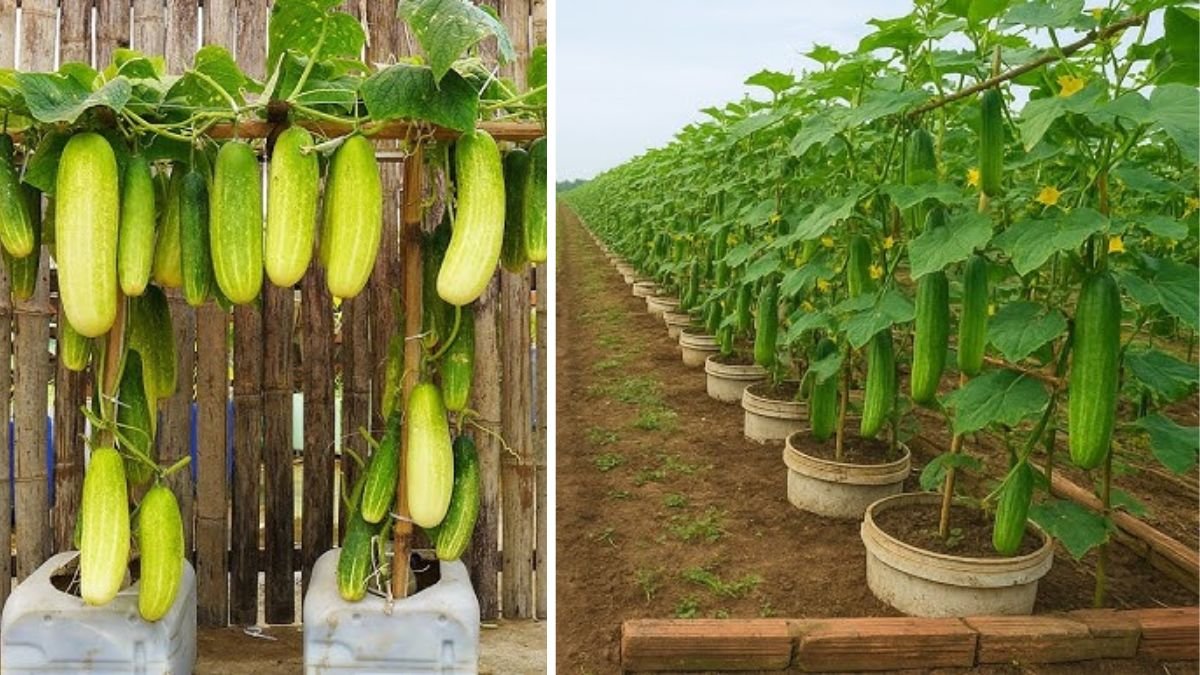
Introduction
Growing cucumbers at home is a rewarding experience, especially when you can harvest fresh, crisp fruits straight from your garden. However, many gardeners struggle with limited space, poor soil quality, pests, and inconsistent yields. If you are facing these challenges, there is a simple and eco-friendly solution you may not have tried yet—the tire garden method.
This innovative gardening technique uses old, discarded tires to create raised planting beds that provide excellent drainage, warmth, and soil control. When done correctly, tire gardening can dramatically increase cucumber production, making it perfect for small yards, balconies, rooftops, and backyard gardens.
In this article, you will learn how the tire garden method works, why it is so effective for cucumbers, and how you can use it step by step to achieve incredible yields at home.
Why Use the Tire Garden Method for Cucumbers?
Cucumbers are fast-growing, warm-season vegetables that thrive in loose, well-drained soil and consistent moisture. Traditional garden beds often fail to meet these conditions, especially in areas with compacted or poor-quality soil.
The tire garden method solves many of these problems.
1. Excellent Soil Control
When you grow cucumbers in tires, you control the soil completely. You can fill the tire with high-quality compost, garden soil, and organic matter, creating the perfect environment for root development.
2. Improved Drainage
Tires naturally act as raised containers. Excess water drains easily from the bottom, preventing root rot and fungal diseases that often affect cucumbers in soggy soil.
3. Better Heat Retention
Black rubber tires absorb and retain heat. This keeps the soil warm, which encourages faster seed germination and stronger early growth—especially useful in cooler climates.
4. Space-Saving Design
Stacked or single tires take up very little space. This makes them ideal for urban gardeners, terrace gardens, and small backyards.
5. Eco-Friendly Recycling
Using old tires reduces waste and gives new life to discarded materials. It is a sustainable way to garden while protecting the environment.
Materials You Will Need
Before you begin, gather the following items:
- Old car or motorcycle tires (clean and undamaged)
- Garden soil
- Compost or well-rotted manure
- Coco peat or sand (optional for drainage)
- Cucumber seeds or seedlings
- Knife or drill (for drainage holes if needed)
- Bamboo sticks or trellis
- Mulch (dry leaves, straw, or grass clippings)
- Watering can or hose
Make sure the tires are thoroughly cleaned to remove oil, grease, or chemical residue.
Step-by-Step Guide to Growing Cucumbers in Tires
Step 1: Choose the Right Location
Place your tire garden in a sunny area that receives at least 6–8 hours of direct sunlight daily. Cucumbers love sunlight, and insufficient light will reduce flowering and fruiting.
Good airflow is also important to prevent fungal diseases.
Step 2: Prepare the Tires
If your tires do not have enough natural drainage, make a few small holes at the bottom using a drill or heated nail.
You may use:
- Single tire for compact growth
- Two stacked tires for deeper roots
- Three stacked tires for maximum yield
Stacking is recommended for long cucumber varieties.
Step 3: Create the Perfect Soil Mix
Fill the tire with a nutrient-rich soil blend:
- 40% garden soil
- 40% compost or vermicompost
- 20% coco peat or sand
Mix well before filling. This combination ensures good drainage, aeration, and fertility.
Avoid using heavy clay soil, as it restricts root growth.
Step 4: Planting Seeds or Seedlings
You can sow seeds directly or transplant young seedlings.
For seeds:
- Plant 2–3 seeds per tire
- Depth: 1–2 cm
- Spacing: evenly spaced
For seedlings:
- Plant 1–2 healthy plants per tire
- Handle roots gently
After planting, water lightly.
Once seeds germinate, keep the strongest plant and remove weaker ones.
Step 5: Install Support for Climbing
Cucumbers are climbing plants. Providing support improves air circulation and keeps fruits clean.
You can use:
- Bamboo stakes
- Wire mesh
- Vertical trellis
- Rope system
Fix the support behind or inside the tire. Train vines upward as they grow.
Vertical growth increases yield and reduces disease risk.
Watering and Moisture Management
Tire gardens dry out faster than ground soil, so regular watering is essential.
Watering Tips
- Water early in the morning
- Keep soil consistently moist
- Avoid waterlogging
- Do not wet leaves excessively
In hot weather, watering may be required daily.
Mulching helps retain moisture and reduce evaporation.
Fertilizing for Maximum Yield
Cucumbers are heavy feeders. Proper nutrition is key to high production.
Organic Fertilizer Schedule
Every 10–15 days, apply:
- Compost tea
- Vermiwash
- Banana peel water
- Cow dung slurry (diluted)
You can also use balanced NPK fertilizer if preferred.
During flowering and fruiting, focus on potassium-rich fertilizers to improve fruit quality.
Pest and Disease Management
Growing cucumbers in tires reduces soil-borne diseases, but pests may still appear.
Common Pests
- Aphids
- Whiteflies
- Spider mites
- Fruit borers
Natural Control Methods
- Neem oil spray (weekly)
- Soap water spray
- Garlic-chili spray
- Yellow sticky traps
Remove infected leaves immediately to prevent spread.
Good air circulation and clean surroundings minimize problems.
Pollination and Flower Management
Cucumber plants produce male and female flowers.
- Male flowers appear first
- Female flowers have tiny fruits at the base
For better pollination:
- Encourage bees
- Avoid chemical sprays
- Hand-pollinate if needed using a soft brush
Proper pollination leads to straight, well-formed cucumbers.
Harvesting for Continuous Production
Timely harvesting encourages more fruiting.
Harvesting Tips
- Pick cucumbers when they are medium-sized
- Avoid overripe fruits
- Harvest every 2–3 days
- Use scissors or sharp knife
Regular harvesting prevents plants from becoming exhausted.
Common Mistakes to Avoid
To achieve incredible yields, avoid these mistakes:
- Overcrowding plants
- Using poor-quality soil
- Inconsistent watering
- Ignoring pest control
- No support for vines
- Over-fertilizing with nitrogen
Balanced care is the secret to success.
Advantages of Tire Gardening Over Traditional Methods
Compared to traditional gardening, tire gardening offers:
- Faster growth
- Higher yield per square foot
- Lower maintenance
- Better soil management
- Reduced weeds
- Mobility and flexibility
You can move tire gardens easily if needed.
Tips for Extra-High Cucumber Production
For professional-level results, follow these tips:
- Use hybrid or high-yield varieties
- Rotate crops yearly
- Add earthworms to soil
- Prune excess side shoots
- Refresh soil every season
- Provide shade in extreme heat
Small improvements can double your harvest.
Conclusion
The tire garden method is a simple, affordable, and highly effective way to grow cucumbers with incredible yields. By recycling old tires, preparing nutrient-rich soil, providing proper support, and maintaining consistent care, you can transform even the smallest space into a productive vegetable garden.
Whether you are a beginner or an experienced gardener, this method allows you to grow healthy, chemical-free cucumbers at home with minimal investment. With dedication and the right techniques, your tire garden can provide fresh cucumbers throughout the growing season.
Start today, and experience the joy of harvesting abundant cucumbers from your very own tire garden.