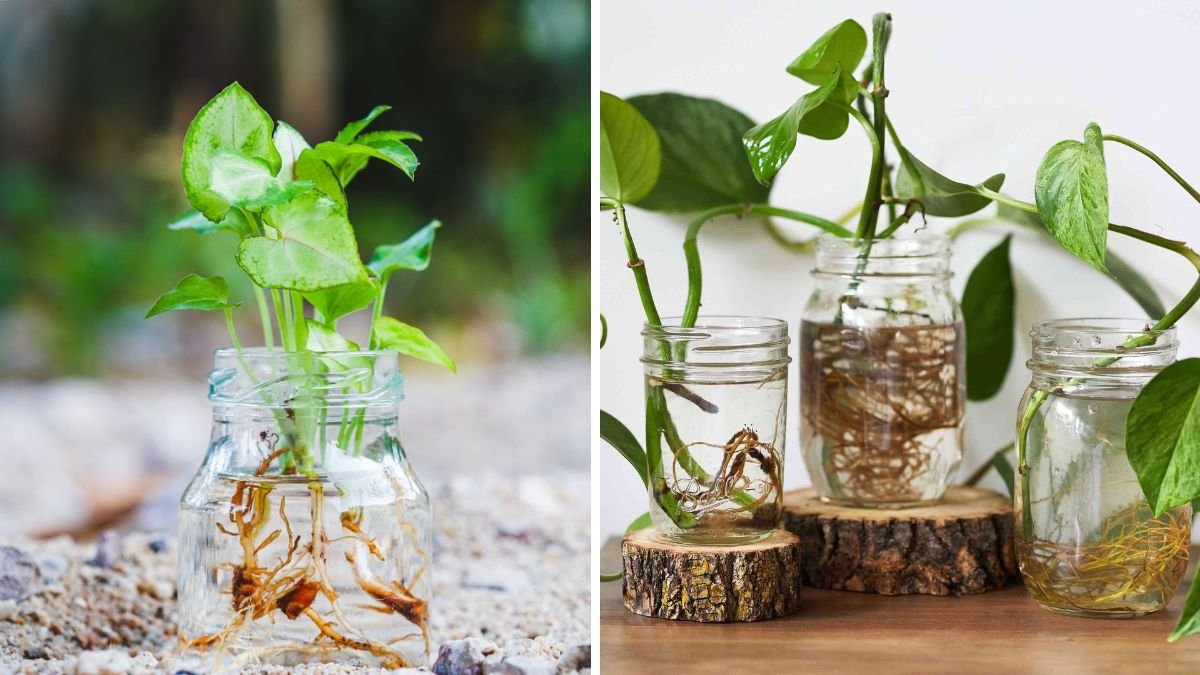
Imagine growing lush, vibrant plants without touching a single handful of soil. It may sound too good to be true, but this is the exciting promise of soil-free gardening. Whether you are a beginner gardener, an urban dweller with limited outdoor space, or someone fascinated by modern horticulture techniques, the concept of growing plants with just water is gaining massive popularity. Today, innovative methods such as hydroponics, deep water culture, and water propagation are making it easier than ever to cultivate thriving plants without soil.
This guide will explore everything you need to know about soil-free growing and introduce [FOCUS KEYWORD] — a simple, effective, and practical way to enjoy plants at home.
Why Soil-Free Growing Is Gaining Popularity
Traditionally, gardening has always been associated with soil. Soil provides nutrients, anchors roots, and supports water retention. However, soil also comes with limitations: it can be messy, space-consuming, and prone to pests and diseases.
Recent innovations in horticulture have shown that soil isn’t strictly necessary. Plants can thrive when their roots have access to water, nutrients, and oxygen. Techniques like hydroponics and water propagation allow plants to grow faster, healthier, and more efficiently, while also saving space and water. These methods are particularly useful for indoor gardening, apartments, or areas where the soil is poor or contaminated.
The Science Behind Growing Plants with Water Alone
Growing plants without soil is rooted in real scientific principles. Soil-free methods allow plants to absorb nutrients directly from water. Here’s how it works:
1. Hydroponics
Hydroponics is the broader category of soil-free gardening where plants grow in water enriched with essential nutrients. The roots may be submerged directly in nutrient-rich water or supported in an inert medium such as clay pellets or perlite while receiving water-based nutrients. This method eliminates the need for traditional soil while ensuring plants get everything they need to thrive.
Hydroponics offers numerous advantages:
- Direct nutrient absorption improves growth and yield
- Reduced soil-borne pests and diseases
- Efficient water use and faster plant growth
(FAO)
2. Deep Water Culture (DWC)
In the DWC method, plant roots are suspended directly in a nutrient-rich water solution. Oxygenation is essential here to prevent root rot and ensure optimal growth. This technique is beginner-friendly and widely used for leafy greens, herbs, and certain fruiting plants.
3. Passive Hydroponics / Kratky Method
For a low-maintenance approach, the Kratky method allows plants to grow in water without pumps or electricity. The plant is suspended above a nutrient reservoir, and as the water level drops, roots gain access to oxygen. This passive system is ideal for beginners or anyone seeking a “set-and-forget” solution. (Wikipedia)
Simple Home Techniques to Grow Plants in Water
Even without a full hydroponic setup, many common plants can thrive in water alone. Some popular soil-free options include:
- Pothos and Philodendron: These plants root easily from cuttings placed in jars of water.
- Lucky Bamboo: A classic indoor plant that thrives in water with minimal care.
- Herbs like Basil and Mint: Can root and grow in small jars of water on a sunny windowsill.
Tips for success:
- Replace water weekly to keep it fresh.
- Add a few drops of liquid fertilizer for essential nutrients.
- Keep the plants in indirect sunlight to encourage strong growth.
- Monitor for algae or root rot and clean the container as needed.
Benefits of Growing Plants in Water
Soil-free gardening is more than just a trendy concept. It offers tangible benefits:
1. Water Efficiency
Hydroponics and water propagation use significantly less water than traditional soil gardening. Water is reused and recirculated, reducing waste by up to 90%. This makes it an ideal method for water-scarce regions.
2. Space-Saving
With vertical hydroponic systems or compact countertop units, even people living in apartments or homes with limited outdoor space can enjoy gardening.
3. Faster Growth
Without soil, plants get nutrients directly at the roots, leading to faster growth, healthier foliage, and more vibrant blooms.
4. Reduced Maintenance
Soil-free systems eliminate weeding, tilling, and many soil-borne pests. Indoor gardeners, in particular, benefit from the cleaner, low-maintenance setup.
Hydroponics in the Real World
Soil-free gardening is not limited to home gardens. Globally, hydroponics is transforming modern agriculture:
- In Phek district, Nagaland, young entrepreneurs have adopted hydroponics to grow leafy greens and herbs on unused land, creating sustainable income streams. (Morung Express)
- Organizations like the Food and Agriculture Organization (FAO) are promoting hydroponics for sustainable farming, particularly in regions with poor or contaminated soil. (FAO)
These examples demonstrate that soil-free growing is more than a trend — it’s a practical, sustainable method for modern agriculture.
Tips for Successfully Growing Plants Without Soil
Whether you are starting with a simple water jar or building a home hydroponics system, follow these guidelines:
- Use Clean Water and Proper Lighting: Change water regularly and provide bright, indirect light.
- Add Nutrients: Even soil-free plants require nutrients. Use liquid fertilizers designed for hydroponics or water-based growth.
- Ensure Oxygenation: Roots need oxygen. Use an air stone or monitor water levels for proper exposure, especially with passive methods like Kratky.
- Stay Observant: Keep an eye on plant health, watch for algae growth, and clean containers as needed.
By applying these principles, even beginners can achieve thriving indoor gardens with minimal effort.
Authoritative Sources for Further Reading
For gardeners looking to deepen their knowledge, these resources are reliable and informative:
- FAO – Growing Without Soil: Hydroponics Fundamentals (fao.org)
- Wikipedia – Kratky Method (Wikipedia)
- Eden Green – Hydroponic Lights (edengreen.com)
- Phek District Hydroponics Success Story (Morung Express)
Conclusion: Embrace [FOCUS KEYWORD] for a Greener Future
Growing plants with just water is no longer a novelty — it’s a practical, proven approach to gardening. Whether you’re rooting a simple cutting in a jar or building a small hydroponic system, soil-free gardening allows anyone to enjoy lush, healthy plants at home.
By adopting [FOCUS KEYWORD], you can save water, maximize space, reduce maintenance, and achieve faster growth — all while having fun and connecting with nature. Try it once, and you’ll see why this method is revolutionizing the way we grow plants.
So grab a jar, fill it with water, and let your soil-free gardening journey begin!