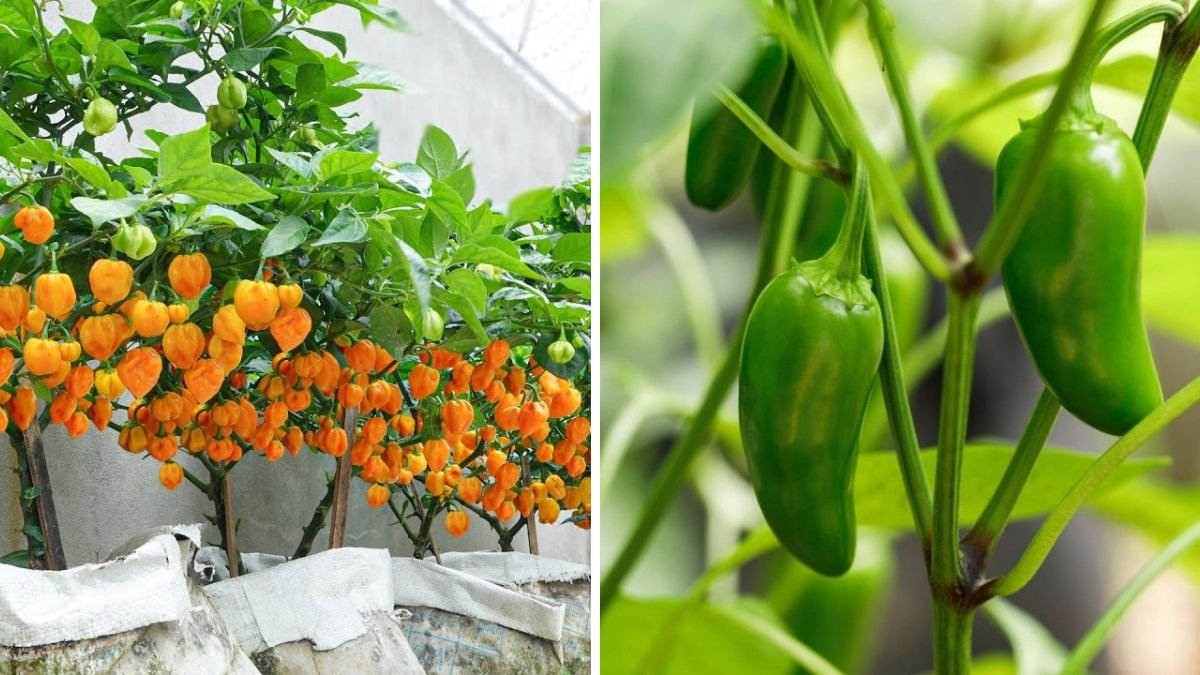
Chili peppers are not just a kitchen staple—they’re among the most rewarding plants to grow at home. From mild jalapeños to fiery habaneros, these plants are adaptable, versatile, and can produce abundant fruit with the right care. Whether you have a backyard garden, a balcony, or even just a sunny windowsill, following proven strategies can help your chili plants thrive and yield fruit consistently.
In this article, we’ll share practical tips, techniques, and expert insights to help you grow chili peppers anywhere and enjoy super productive harvests. With proper planning, preparation, and attention to detail, even novice gardeners can achieve impressive results.
Why Grow Chili Peppers at Home?
Chili peppers (Capsicum spp.) are popular for several reasons. They add flavor and heat to a wide range of cuisines, are rich in antioxidants and vitamins, and even provide health benefits due to capsaicin, the compound responsible for their spiciness. Beyond their culinary appeal, chili peppers are highly adaptable and suitable for home gardening, whether in soil beds, pots, or containers.
Homegrown chilies also allow gardeners to control plant care and harvesting, resulting in higher quality and fresher produce. Growing your own peppers can also be economical, as a single plant can produce dozens of fruits over a long growing season.
1. Choosing the Right Chili Variety
The first step toward a fruitful chili harvest is selecting a variety that suits your space, climate, and taste preference. Chili peppers range from mild and sweet to intensely hot varieties.
- Mild to medium heat varieties: Jalapeño, cayenne, and banana peppers are easy to grow, produce consistently, and are ideal for beginners.
- Super-hot varieties: Habanero, ghost pepper, and scotch bonnet are perfect for gardeners who love extreme heat. These varieties need slightly warmer conditions and more attention but reward growers with spicy, high-yielding plants.
- Compact or dwarf varieties: Perfect for indoor gardening, windowsills, or small containers. They are often easier to manage and can thrive even in limited space.
Choosing the right variety ensures your chili plants can adapt to your growing conditions and gives you the best chance at abundant fruit.
2. Sunlight and Temperature Requirements
Chili peppers thrive in warm, sunny conditions. They need at least 6–8 hours of direct sunlight daily to promote flowering and fruiting. Insufficient sunlight can lead to weak plants, reduced flower formation, and lower yields.
Temperature is equally important. Chili peppers grow best in temperatures between 21–29°C (70–85°F). Cooler climates can still support pepper growth, but starting seedlings indoors or using containers on sunny patios can help maintain optimal warmth.
If sunlight is limited, grow lights can supplement natural light, ensuring your plants remain healthy and productive, especially for indoor or balcony gardening.
3. Preparing Soil for Maximum Growth
Healthy soil is the foundation for healthy chili plants. Chili peppers prefer well-draining, nutrient-rich soil. Poor or compacted soil can stunt growth, reduce flowering, and limit fruit production.
Soil Preparation Tips:
- Add organic compost: Enriches the soil with nutrients and improves texture.
- Use aged manure: Supplies nitrogen and other essential nutrients.
- Mulch: Organic mulches like straw or wood chips retain moisture, suppress weeds, and enrich soil as they decompose.
- Ensure proper drainage: Both garden beds and containers should avoid waterlogging to prevent root rot.
By preparing the soil carefully, your chili plants develop stronger roots, healthier stems, and more robust flowering, all of which contribute to higher yields.
4. Watering for Healthy Plants and Maximum Fruit
Proper watering is crucial for chili peppers. They require consistent moisture but dislike waterlogged soil.
- Water deeply 1–2 times per week, depending on climate and container size.
- Keep soil evenly moist to prevent flower drop and maintain fruit production.
- In hot weather, check containers daily to prevent drying out.
Consistent watering promotes strong root systems and supports continuous flowering and fruiting. Irregular watering can cause stress, blossom drop, and smaller fruits.
5. Fertilization: Feeding for Fruit, Not Just Leaves
Feeding your chili plants correctly ensures they focus energy on fruit production rather than excessive leafy growth.
Fertilization Tips:
- Early stage: Use a balanced fertilizer (e.g., 10-10-10) to promote root and vegetative growth.
- Flowering stage: Switch to fertilizers higher in phosphorus and potassium to encourage flowering and fruit set.
- Organic options: Worm castings, fish emulsion, or seaweed extract provide nutrients naturally and support long-term soil health.
Avoid over-fertilizing with nitrogen during fruiting, as it promotes foliage growth at the expense of flowers and peppers.
6. Pruning and Pollination for Maximum Yield
Pruning
Pruning directs energy toward fruit production:
- Remove weak, damaged, or diseased branches.
- Pinch early flowers on young plants to encourage stronger root and branch development.
- Remove lower leaves that touch the soil to reduce disease risk.
Pollination
Chili peppers are self-pollinating, but aiding pollination can increase fruit set:
- Encourage pollinators like bees by planting nearby flowering plants.
- Gently shake flowers or use a small brush to transfer pollen manually.
Together, pruning and pollination techniques maximize fruit production and overall plant health.
7. Growing Anywhere: Containers, Patios, or Indoors
Chili peppers are extremely versatile and can thrive in small spaces.
Containers and Pots
- Use 5+ gallon containers to allow room for roots.
- Ensure containers have drainage holes.
- Place pots in sunny locations to maximize fruit production.
Indoor or Windowsill Growing
- Start seeds on a sunny windowsill for early growth.
- Grow lights can supplement natural sunlight in winter or low-light spaces.
- Compact varieties or dwarf plants are ideal for indoor setups.
Even in apartments or small patios, you can enjoy abundant chili harvests with proper care and space management.
8. Harvesting and Continuous Production
Harvest chili peppers when they reach their desired size and color. Frequent harvesting encourages plants to produce more fruit and extends the productive season.
- Green peppers can be harvested early for a milder flavor.
- Allowing peppers to ripen to red, yellow, or purple intensifies flavor and heat.
- Continue harvesting regularly to stimulate new flowering and fruiting.
With proper care, a single chili plant can produce dozens of fruits over a season, offering fresh, homegrown peppers continuously.
Tips for Long-Term Success
- Rotate crops: Avoid planting peppers in the same soil consecutively to reduce disease risk.
- Monitor for pests: Watch for aphids, mites, and caterpillars, using natural remedies if needed.
- Maintain consistent care: Sunlight, watering, and fertilization consistency is key to sustained production.
- Experiment with varieties: Try different types each year to find what thrives best in your conditions.
By following these practices, chili peppers can be productive, healthy, and resilient over multiple seasons.
Authoritative Sources for Further Guidance
To strengthen your knowledge and provide reliable references, consult these expert resources:
- Royal Horticultural Society – Growing Chili Peppers: Practical advice on plant care and fruiting. (rhs.org.uk)
- University of Minnesota Extension – Growing Peppers: Covers watering, soil, and climate considerations. (extension.umn.edu)
- Harvest to Table – Soil Preparation for Peppers: Focuses on preparing soil for strong root growth and high yields. (harvesttotable.com)
- Homes & Gardens – Hot Pepper Cultivation: Provides tips on varieties, sunlight requirements, and container growing. (homesandgardens.com)
Conclusion
Growing chili peppers anywhere and achieving lots of fruit and super yields is entirely possible with the right techniques. By choosing suitable varieties, providing proper sunlight, rich soil, consistent watering, and thoughtful fertilization, you can enjoy a bountiful chili harvest year after year.
Even gardeners with limited space can produce productive plants in containers or indoors with careful attention to light and care. Combined with regular pruning, pollination, and timely harvesting, these strategies ensure your chili plants remain healthy, resilient, and consistently fruitful.
Whether you want mild garden-fresh peppers or fiery super-hot varieties, following these tips will help you enjoy super productive chili peppers, anywhere, all season long. Start today and turn your garden, patio, or windowsill into a spicy, fruitful haven!