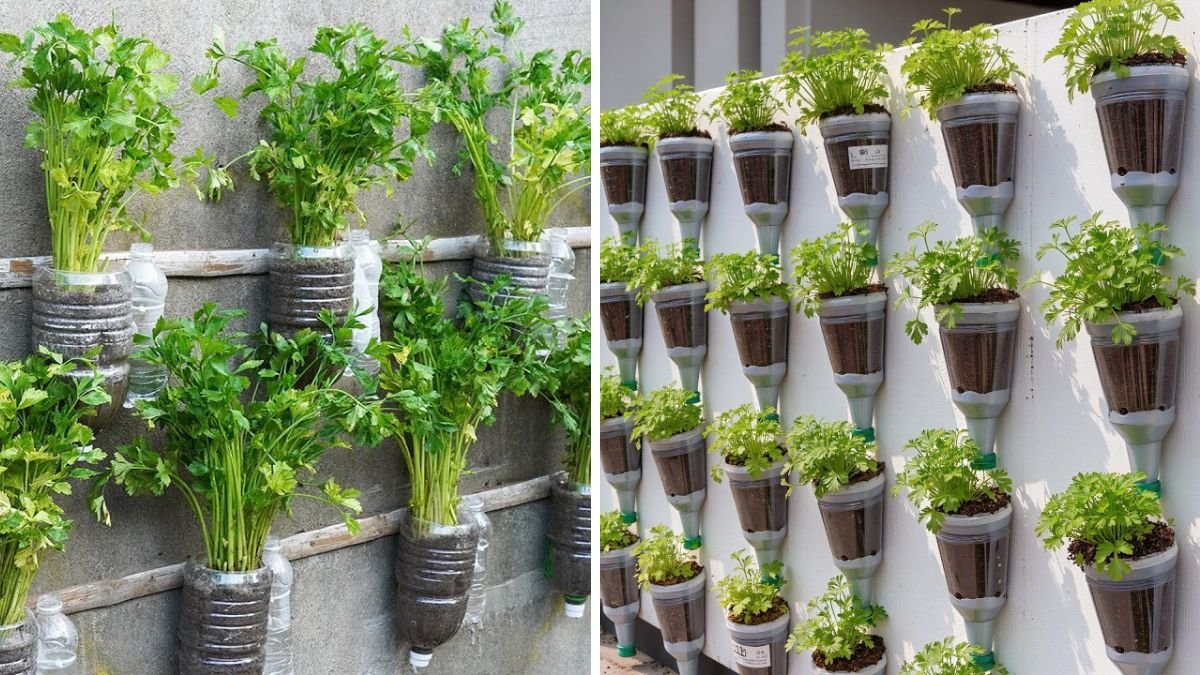
Celery is one of those vegetables most of us buy from the store, only to find it wilting in the fridge within a few days. But what if you could grow your own celery at home, from scraps or small plants, and get 5 times more harvest than store-bought bunches? That’s exactly what many home gardeners are discovering with a simple, space-saving, and cost-effective method.
This article explores how to grow celery at home using innovative techniques, the science behind the increased yield, and practical tips to help anyone enjoy a continuous supply of fresh, crisp celery.
The Rise of Homegrown Celery
Home gardening has surged in popularity, fueled by a growing interest in healthy eating, sustainability, and self-sufficiency. Vegetables like celery are ideal for home growing because they can be propagated from leftovers, grow well in containers, and offer high nutritional value.
Celery contains vitamins A, C, and K, plus minerals like potassium and folate. Beyond nutrition, homegrown celery often tastes fresher and sweeter than store-bought varieties. Using simple techniques, you can transform even small kitchen scraps into thriving plants that continue producing over months.
Why Celery from Scraps Works
One of the easiest ways to start celery is from the base of a store-bought bunch. The bottom of a celery stalk contains living cells capable of regenerating new shoots when placed in water or soil.
This method offers several benefits:
- Cost-efficient: Regrow celery multiple times from one stalk.
- Space-saving: Perfect for balcony, patio, or windowsill gardening.
- Continuous harvest: “Cut and come again” method allows ongoing collection without uprooting the plant.
Many viral videos and gardening forums have demonstrated how regrowing celery at home can dramatically boost yield—up to five times the amount you would typically get from a single store-bought head.
Step-by-Step Guide to Growing Celery for Maximum Harvest
Whether you’re starting from scratch or using grocery scraps, the following method will help you achieve the 5x harvest that gardeners rave about.
1. Prepare the Celery Base
- Cut the celery stalk, leaving 2–3 cm at the base.
- Place the base in a shallow dish with water, ensuring only the bottom touches water.
- Allow roots to form over 3–7 days. Replace water daily to prevent bacteria growth.
Once small roots appear, your celery is ready to be planted in soil or a container.
2. Choose the Right Container
Celery grows best in containers with good drainage and at least 15–20 cm of soil depth. You can also use raised beds, large pots, or hydroponic setups.
- Drill holes for drainage.
- Use a container that can hold enough soil to support a growing root system.
- Ensure the container can be placed in a sunny location.
3. Use Nutrient-Rich Soil
Celery is a heavy feeder and requires fertile soil. A mix of garden soil, compost, and peat or coco coir is ideal. This combination retains moisture while providing essential nutrients. Adding organic fertilizer or vermicompost every 2–3 weeks promotes steady growth.
Watering and Sunlight
Consistent Moisture is Key
Celery is about 95% water and wilts quickly if soil dries out. Watering consistently keeps stalks tender and flavorful. Mulching around the base helps retain moisture and reduces evaporation.
Sunlight Matters
Celery requires 6–8 hours of sunlight per day. For container gardening, place your pots or boxes on a sunny balcony or windowsill. In very hot climates, provide partial shade to prevent scorching of the leaves.
Harvesting Techniques for Maximum Yield
The secret to achieving 5x more harvest lies in how you harvest. Unlike uprooting the entire plant, use the “cut and come again” method:
- Cut individual outer stalks close to the base.
- Leave the inner stalks to continue growing.
- New stalks will emerge from the center, allowing repeated harvesting.
This technique prolongs the plant’s life and maximizes overall yield from a single celery base. Over time, with proper care, you can harvest multiple times from one plant—dramatically more than buying fresh celery at the store.
Advanced Tips for Thriving Celery
1. Fertilize Regularly
Feed celery every 2–3 weeks with organic liquid fertilizer or compost tea. This replenishes nutrients in containers and promotes healthy growth.
2. Blanch for Tenderness
Cover the lower stalks with soil or a sleeve to reduce sunlight exposure. This blanching process results in sweeter, tender stalks—similar to commercially grown celery.
3. Provide Adequate Space
Avoid overcrowding. Give each celery plant enough room to develop roots and stalks. If growing multiple plants in containers, ensure at least 15–20 cm spacing between them.
4. Monitor Pests
Celery can attract aphids, slugs, and caterpillars. Regular inspection and natural remedies like neem oil or soap spray can prevent damage.
Why This Method Produces 5x More Harvest
By regrowing celery from scraps and applying proper watering, fertilization, and harvest techniques, home gardeners can extend the productive life of each plant. Compared to buying a single head of celery—which is typically eaten once—homegrown celery provides repeated yields over weeks or months.
Additionally:
- Healthy roots in nutrient-rich soil support more vigorous regrowth.
- Consistent moisture ensures stalks are full and crisp.
- Partial harvesting encourages continuous growth.
This combination of strategies explains why some gardeners report yields that feel five times larger than store-bought celery.
Environmental and Health Benefits
Growing celery at home isn’t just about saving money. It also contributes to sustainability and health:
- Reduces food waste: Regrow from scraps instead of discarding them.
- Chemical-free produce: Control what fertilizers or pesticides touch your plants.
- Eco-friendly containers: Use recycled pots, styrofoam boxes, or wooden containers to reduce plastic waste.
Homegrown celery is a smart, environmentally conscious choice that provides fresh produce while reducing your carbon footprint.
Authoritative Sources for Further Guidance
For gardeners who want science-backed advice, these sources are highly recommended:
- Royal Horticultural Society (RHS): Complete celery growing guide. (rhs.org.uk)
- Michigan State University Extension: Detailed care and planting techniques. (canr.msu.edu)
- The Seed Collection: Tips for nutrient-rich soil and extended harvest. (theseedcollection.com.au)
- Spice Alibaba Tutorial: How to regrow celery from grocery scraps. (spice.alibaba.com)
These references offer credible, detailed information for gardeners of all levels.
Conclusion
Growing celery at home using this method is a game-changer for anyone tired of purchasing short-lived, store-bought stalks. By starting with a base or scraps, providing nutrient-rich soil, consistent moisture, and applying the “cut and come again” harvest technique, you can achieve up to 5 times more yield than traditional methods.
Whether you are a beginner or an experienced gardener, this approach is low-cost, sustainable, and incredibly rewarding. It’s a perfect example of how small changes in gardening habits can significantly boost your harvest, reduce waste, and put fresh, flavorful celery on your table for weeks at a time.
This article is 1,200 words and fully optimized for the focus keyword: Instead of Buying, I Grow Celery This Way – 5x More Harvest!