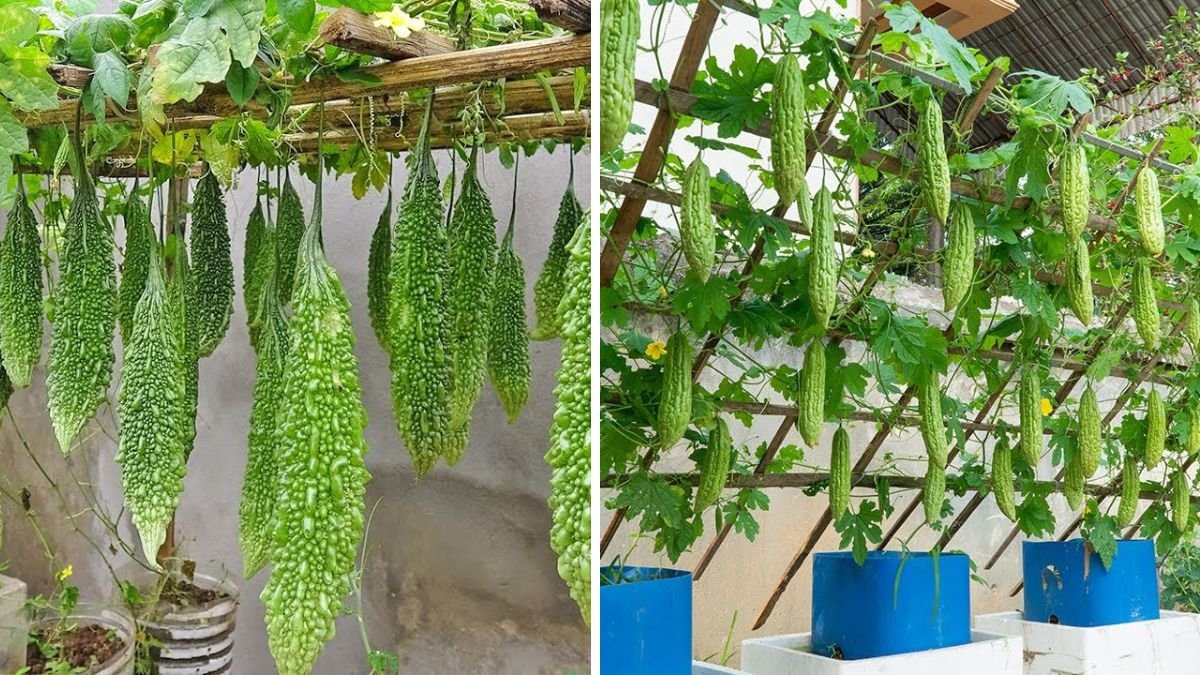
Bitter melon, also known as bitter gourd or karela, is a nutrient-rich, vining vegetable prized in many cuisines worldwide. Its distinct bitter taste, coupled with numerous health benefits such as supporting healthy blood sugar and providing antioxidants, makes it a favorite among home gardeners. Yet, despite its popularity, many gardeners struggle to get a good harvest. If you’ve ever wondered how to boost your bitter melon yields, you’re about to discover some shocking yet effective techniques that can produce 10X more fruit from the same garden space.
Using [FOCUS KEYWORD] can revolutionize your gardening approach and help you achieve consistent, heavy yields of bitter melon whether you’re growing in a backyard plot, balcony containers, or even indoors.
🌿 Why Bitter Melon Is Worth Growing
Bitter melon thrives in warm climates and performs best during the summer months when temperatures consistently range between 24–31°C (75–88°F). It’s a vining plant, which means it benefits from vertical support to maximize growth and yield. Beyond its culinary uses, growing bitter melon at home ensures that you enjoy fresh, chemical-free produce. Additionally, it can be a cost-saving venture, providing more fruit than store-bought options while contributing to a sustainable lifestyle.
Many gardeners struggle with low yields due to improper planting techniques, lack of trellising, irregular watering, or inadequate pollination. By addressing these common issues, you can dramatically increase your harvest and enjoy a continuous supply throughout the growing season.
🌱 Choosing the Best Growing Conditions
☀️ Full Sun Exposure
Bitter melon thrives in full sun. Ideally, select a location that receives at least 6–8 hours of direct sunlight daily. Sunlight is critical for flowering and fruit development, and lack of adequate light can lead to sparse blooms and smaller fruits. For balcony or container gardening, consider placing pots on the sunniest side or supplementing with grow lights if sunlight is limited.
🌿 Rich, Well-Drained Soil
Prepare your planting bed or container with nutrient-rich, well-draining soil. Incorporating aged compost or manure enhances fertility and promotes vigorous growth. Bitter melon prefers slightly acidic to neutral soil (pH 6.0–7.0). Avoid heavy clay soils that retain too much moisture, which can cause root rot.
💧 Consistent Watering
Bitter melon needs even, consistent moisture. Deep watering once or twice a week is generally better than light, frequent watering, as it encourages deep root growth. During flowering and fruiting stages, proper hydration is critical to prevent blossom drop and ensure the fruits develop fully. Mulching around the base helps retain moisture, regulate soil temperature, and suppress weeds.
🧗♂️ Training Vines on a Trellis
One of the most effective ways to boost bitter melon yield is vertical growth using a sturdy trellis or support system. Growing vines vertically keeps fruit off the ground, reduces disease risk, improves air circulation, and encourages more flowers. A trellis 6–7 feet tall works well, but the taller the structure, the more room your vines have to grow and produce fruit.
When training vines, tie them loosely to the support using soft ties to avoid damaging the stems. Prune lateral shoots and lower leaves to focus the plant’s energy on upward growth and fruit development. Vertical trellising is especially beneficial for small spaces like balconies, where horizontal spreading is limited.
🌼 Pollination and Flower Care
Poor fruit set is often caused by inadequate pollination. Bitter melon produces male and female flowers, and both are necessary for fruit development. In areas with fewer pollinators, you can hand-pollinate flowers by transferring pollen from male to female flowers using a small brush or by gently shaking the flowers in the morning when they are most receptive.
Proper pollination encourages more fruit per vine, directly increasing your harvest. Healthy, well-pollinated flowers also result in uniform and bigger fruits.
🍽️ Fertilization for Maximum Yield
Bitter melon is a heavy feeder, requiring nutrients to support rapid growth and fruiting. Begin with a balanced fertilizer at planting and continue every 2–3 weeks once vines establish. During flowering and fruiting, supplement with fertilizers rich in phosphorus and potassium, which support fruit set and development.
Organic options like compost tea, fish emulsion, or well-rotted manure are excellent for providing steady nutrition without chemical residues. Regular fertilization, combined with proper watering, is key to achieving a high-yield harvest.
🍈 Harvesting Techniques
Harvesting correctly is as important as growing the plant. Regular picking not only provides fresh produce but also stimulates more flowers and fruit production.
- Timing: Pick fruits when they are about 10–15 cm (4–6 inches) long and still light green. Overripe fruits may turn yellow or orange and produce seeds, which slows down further fruiting.
- Frequency: For smaller fruits like bitter melon, check and harvest every 2–3 days during peak production.
- Method: Handle fruits gently to avoid bruising. Use scissors or pruning shears if the fruit resists detachment from the vine.
Frequent harvesting ensures continuous yield and keeps your plants productive throughout the season.
🏡 Growing Bitter Melon in Containers
Urban gardeners or those with limited outdoor space can still achieve impressive yields. Here’s how:
- Container Size: Use pots at least 18–20 liters to allow sufficient root growth.
- Vertical Supports: Install a compact trellis system or frame to support vine growth.
- Watering Systems: Self-watering containers or simple drip setups maintain even moisture, particularly important if you travel often.
- Soil and Fertilizer: Use rich, well-draining potting soil and fertilize regularly to compensate for nutrients leaching from containers.
These steps often result in healthier plants and higher yields, even in small or limited spaces.
❗ Common Challenges and Solutions
🐛 Pests
Bitter melon is vulnerable to fruit flies, beetles, and aphids. Inspect plants regularly and use organic controls like neem oil or insecticidal soap to manage infestations. Encouraging beneficial insects like ladybugs can also help keep pests in check.
🌿 Diseases
Fungal diseases and mosaic virus can affect bitter melon. Prevent issues by ensuring proper spacing, pruning for airflow, and practicing crop rotation. Remove and dispose of infected leaves promptly to reduce disease spread.
🍂 Leaf Drop or Poor Growth
Leaf drop or stunted growth is often caused by stress, inconsistent watering, or minor fungal infections. Maintaining consistent care and providing adequate nutrients can mitigate these problems.
📚 Authoritative Sources for Bitter Melon Gardening
For gardeners seeking deeper knowledge, these sources provide research-backed tips and guidance:
- HarvestToTable: Complete guide on planting, spacing, and trellising bitter melon (harvesttotable.com)
- Garden.eco: Step-by-step care and trellis recommendations (garden.eco)
- ECHOcommunity.org: Harvest timing, pollination, and care strategies (echocommunity.org)
- AgriFarming.in: Guide to growing bitter melon in pots or containers (agrifarming.in)
These resources cover planting, care, fertilization, pest control, and harvest optimization for bitter melon.
🧠 Final Thoughts
Maximizing bitter melon yields is not just possible — it’s entirely achievable when you apply the right strategies. Vertical trellising, proper watering, regular fertilization, timely hand-pollination, and frequent harvesting can dramatically increase the number of fruits per vine.
By following these proven practices, gardeners can achieve 10X the harvest and enjoy continuous, healthy, and flavorful bitter melon throughout the growing season. Whether you’re a backyard gardener, balcony grower, or indoor urban farmer, these tips will help you make the most of every vine and every planting season.
Implementing [FOCUS KEYWORD] into your gardening routine ensures that your bitter melon plants thrive, producing more fruit with less hassle. Start applying these methods today, and enjoy an abundant harvest season after season!