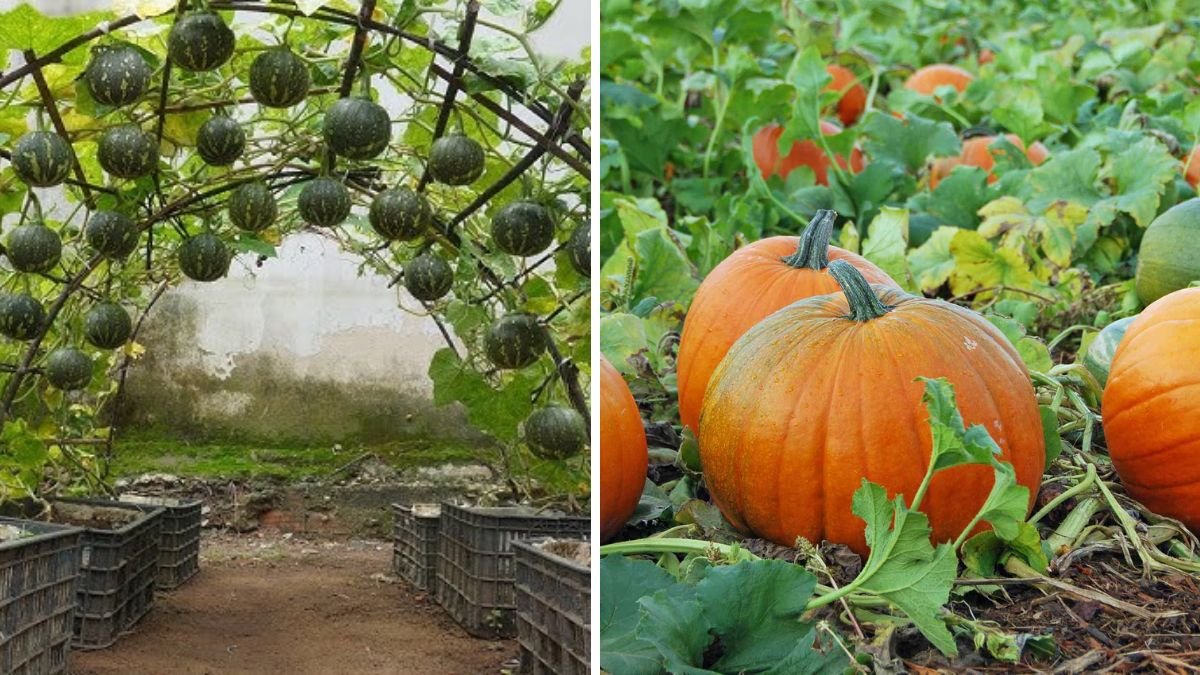
For many, growing pumpkins traditionally has meant vast outdoor plots, sprawling vines, and weeks of careful watering, weeding, and tending. But imagine being able to grow pumpkins without a backyard or traditional garden and potentially harvest up to five times more than conventional methods. Thanks to innovative urban gardening techniques, creative container systems, and controlled-environment agriculture, this is no longer just a dream. Today, anyone — whether in a city apartment, a small terrace, or a tiny balcony — can grow pumpkins efficiently and abundantly.
In this article, we’ll explore the latest methods for growing pumpkins without a garden, explain why these techniques work, provide step-by-step guidance, and share tips to help you maximize your harvest at [FOCUS KEYWORD].
Why Growing Pumpkins Without a Garden Is Possible
Traditional pumpkin cultivation requires ample space, rich soil, and long growing seasons, typically around 90–120 days. (Scotts Miracle-Gro) However, the rise of container gardening, vertical supports, and intensive growing techniques has made pumpkin cultivation accessible even in tight spaces. Urban gardeners are increasingly adopting these methods to grow pumpkins and other large fruits indoors or on patios, terraces, and balconies.
No-garden techniques often incorporate aeroponics, hydroponics, or raised container systems, enabling plants to thrive regardless of outdoor soil quality. By controlling water, nutrients, and sunlight exposure, growers can accelerate growth cycles, optimize energy distribution to fruits, and increase yields. (Wikipedia – Controlled-Environment Agriculture)
The Concept Behind “Harvest Five Times More”
The promise of harvesting pumpkins five times more than standard methods is based on intensive yield techniques and smart resource management. While exact results vary depending on variety, climate, and care, these methods consistently produce higher yields than traditional garden plots. The key principles include:
1. Optimize Space with Containers and Supports
Instead of planting in open ground, gardeners use large containers, reinforced polybags, or raised beds. Concentrating root growth and controlling nutrients in these setups allows plants to thrive in limited space. Vertical trellises or supports can elevate vines and fruits, keeping them off the ground, reducing disease risk, and improving sunlight exposure. (Mahesh Lunch Home)
2. Improve Growth Conditions
Pumpkins require consistent sunlight, warmth, and moisture. Indoor or controlled setups extend the growing season, helping plants mature faster and supporting multiple harvests in one year. Some growers also use greenhouses or grow lights to simulate ideal sunlight conditions, which can significantly improve fruit development. (Royal Horticultural Society)
3. Intensive Yield Techniques
Focusing energy on fruit development rather than excessive vine growth is critical. Techniques like pruning, training vines on trellises, and proper pollination maximize fruit number and size. Additionally, hydroponic and aeroponic systems allow nutrient solutions to be delivered directly to roots, further increasing productivity. (Wikipedia – Aeroponics)
Step-by-Step Guide: Growing Pumpkins Without a Garden
Here’s how you can grow abundant pumpkins even in small spaces:
Step 1: Choose the Right Container and Location
- Use containers with at least 20–30 gallons capacity or reinforced polybags.
- Ensure proper drainage to prevent root rot.
- Place containers in full sun with at least 6–8 hours of sunlight daily. (RHS)
Step 2: Select High-Yield or Compact Pumpkin Varieties
Certain pumpkin varieties are better suited for container growth. Bush or compact cultivars produce more fruit per plant and work well in small spaces. Varieties like ‘Bushkin’ or miniature pumpkins are ideal for balconies and patios.
Step 3: Start Indoors for an Early Head Start
Sowing seeds indoors several weeks before transplanting outdoors or into larger containers helps extend the growing season. This method allows young plants to develop strong roots before exposure to outdoor conditions. (RHS)
Step 4: Provide Support and Train Vines
Use trellises, netting, or vertical supports to manage sprawling vines. Elevating fruits improves air circulation, reduces disease risk, and prevents rot caused by prolonged contact with damp surfaces. Vertical training also maximizes space efficiency, allowing more pumpkins per square foot.
Step 5: Manage Nutrients and Water
Pumpkins are heavy feeders. Use high-quality fertilizers or hydroponic nutrient solutions for optimal growth. Keep the soil or substrate consistently moist but avoid waterlogging. Regularly check nutrient levels and supplement as needed to ensure strong fruit development.
Step 6: Monitor and Harvest Strategically
Pumpkins are ready for harvest when the skin is hard, the color is uniform, and the stem is dry. Harvesting at the right time ensures the best flavor and storage potential. Stagger planting and harvest times to enjoy a continuous yield throughout the season. (Almanac)
Tips for Maximizing Your Pumpkin Harvest
- Stagger Planting: Plant seeds at intervals to spread harvests and increase total yield.
- Hand Pollination: If insects are limited, hand pollinate flowers to improve fruit set.
- Supplemental Lighting: Use grow lights indoors to maintain photosynthesis in dense setups.
- Controlled Environment Techniques: LED lighting, hydroponics, and aeroponics can significantly boost yields. (Farmonaut)
Advantages of No-Garden Pumpkin Growing
- Space Efficiency: Grow pumpkins in limited spaces, including patios, terraces, and balconies.
- Higher Productivity: Smart nutrient and water management leads to more fruit per plant.
- Cleaner Maintenance: No soil spread around, fewer pests, and less weeding required.
- Year-Round Potential: Controlled environments or indoor setups can allow multiple harvest cycles per year.
Authoritative Sources for Further Learning
For gardeners seeking more guidance, these sources provide expert advice:
- RHS Pumpkin Growing Guide – expert step-by-step planting and care information (rhs.org.uk)
- Almanac Guide on Pumpkins – planting, care, and harvesting tips (almanac.com)
- Controlled-Environment Agriculture (CEA) – indoor and year-round growing principles (Wikipedia)
- Aeroponics Systems – modern techniques for soil-free plant growth (Wikipedia)
- DIY Inspiration Video – No Garden Needed! New Way to Grow Pumpkins – Harvest 5 Times (YouTube)
Conclusion
Gone are the days when growing pumpkins meant needing a sprawling garden. With no-garden-needed techniques, containers, vertical supports, and smart nutrient management, anyone can grow abundant pumpkins in limited space and potentially enjoy up to five times the traditional harvest. Whether you live in an apartment, small townhouse, or just want to experiment with container gardening, these methods make pumpkin cultivation accessible, efficient, and rewarding at [FOCUS KEYWORD].
By following the steps outlined in this article — selecting the right containers and varieties, starting seeds indoors, training vines, and optimizing nutrient delivery — you can achieve a continuous harvest of fresh, healthy pumpkins. Embrace these modern urban gardening techniques and enjoy the satisfaction of homegrown pumpkins without the need for a traditional garden. 🎃