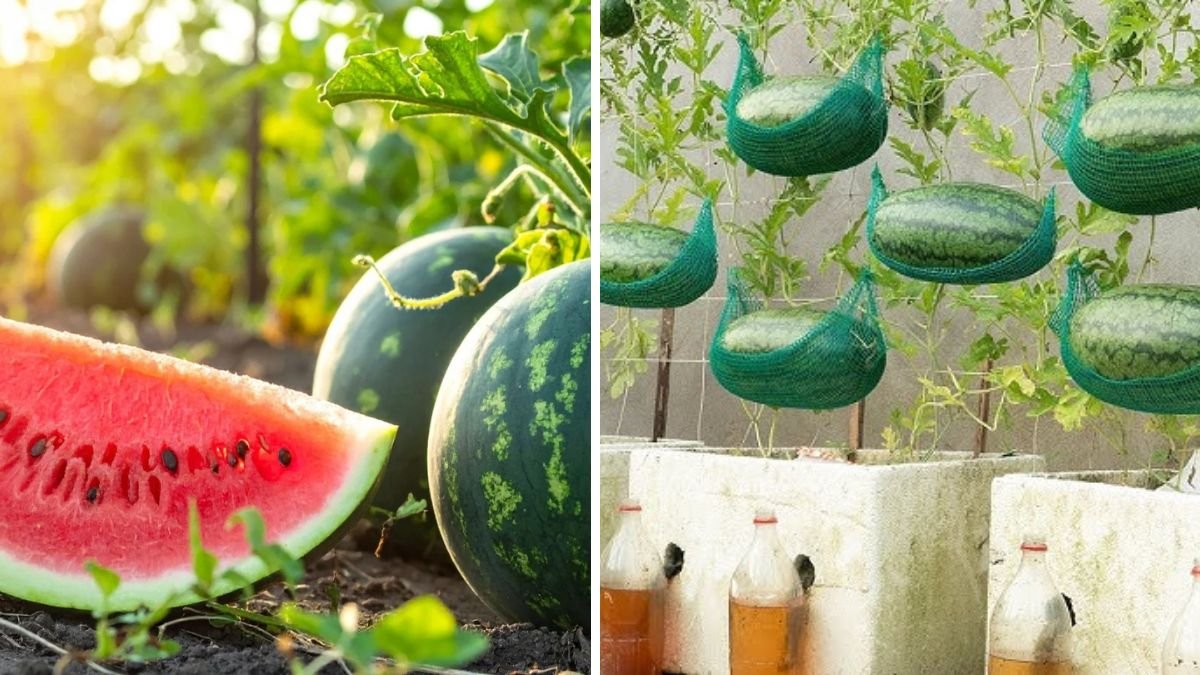
Melons are one of the most rewarding fruits to grow at home, but anyone who has tried knows they can be temperamental. Soil, sunlight, water, and even the tiniest details of care can make or break your harvest. Recently, a popular online experiment titled Unexpected Results When I Tried This Melon Growing Method – Big went viral. The home gardener behind the video tested an unconventional approach and produced melons larger and juicier than expected. This experiment has sparked curiosity and discussion among gardeners, horticulture enthusiasts, and even agricultural researchers. In this article, we explore the experiment, the science behind melon growth, and actionable tips to help you achieve similar results in your garden.
The Viral Experiment That Shocked Gardeners
The video in question demonstrates a method that diverges from traditional melon cultivation. While the creator did not provide a detailed step-by-step scientific guide, the results were visually striking: melons that were unusually large, vibrant, and juicy. The method relied on careful soil management, strategic watering, and timing adjustments that seemed minor but had a significant impact on fruit size.
Gardening communities online quickly picked up the story. Reddit threads and Facebook groups buzzed with both excitement and skepticism. Many home gardeners shared attempts to replicate the method, with varying results. Some saw dramatic improvements, while others experienced little to no difference, highlighting how environmental factors can influence outcomes.
Why This Method Gained Attention
The intrigue comes from the promise of exceptional results without expensive tools or complex systems. Unlike hydroponics or greenhouse farming, this method seemed accessible to the average gardener. It appealed particularly to those struggling with small, underdeveloped fruits or inconsistent yields.
Melons are notoriously sensitive to environmental factors. Even slight mismanagement of watering, soil, or sunlight can drastically affect growth. For this reason, any method that promises noticeable improvement naturally draws attention. Home gardeners are always on the lookout for ways to maximize fruit size and sweetness.
What Science Says About Successful Melon Growth
While viral videos are inspiring, relying solely on anecdotal results can be risky. Research-backed practices provide more consistent outcomes. Here are some key insights from horticultural science:
1. Hydroponics and Greenhouse Cultivation
Studies show that hydroponic systems, particularly the Deep Flow Technique (DFT), significantly improve melon yields and fruit quality. Greenhouse protection ensures optimal temperature, humidity, and sunlight, which can make a noticeable difference in fruit size. These methods allow precise control over nutrient delivery, which is critical for producing large, sweet melons. (ph02.tci-thaijo.org)
2. Spacing and Pruning
Proper spacing between plants is crucial. Crowded plants compete for nutrients, water, and sunlight, reducing fruit size. Strategic pruning encourages the plant to channel energy toward fewer, stronger fruits, resulting in larger, higher-quality melons. Studies in India demonstrate that these techniques can significantly impact yields, especially in off-season production. (epubs.icar.org.in)
3. Soil, Irrigation, and Technology
Soil health directly affects melon growth. Well-drained soil enriched with organic matter supports root development. Meanwhile, precision drip irrigation ensures consistent water supply, promoting steady growth without the risk of overwatering. Recent research highlights that controlled soil moisture through inexpensive sensors can enhance fruit size and yield, outperforming many traditional “folklore” techniques. (researchgate.net)
Practical Tips for Home Gardeners
While experimenting is fun, combining viral methods with established practices is the safest path to success. Here are practical steps to boost your melon harvest:
- Warm, fertile soil – Aim for pH 6–7, with plenty of organic matter. Compost or well-aged manure can significantly enhance growth.
- Consistent watering – Melons thrive when their roots receive regular, deep watering. Avoid shallow watering that only moistens the surface.
- Sunlight – Full sun is essential. Melons need at least 6–8 hours of sunlight daily to develop their sugars fully.
- Pollination – Bees are ideal pollinators, but manual pollination with a soft brush can help ensure fruit sets, especially in small gardens.
- Pruning and spacing – Remove excess vines and ensure adequate distance between plants to allow airflow and reduce disease risk.
These techniques, combined with interesting hacks like the one demonstrated in the viral video, can result in significant improvements in melon size and sweetness.
The Reality Check
Despite viral success stories, not every melon growing method works universally. Environmental factors like soil type, local climate, and even pests can affect outcomes. Some gardeners who tried the viral method saw little change, emphasizing that no single technique guarantees results for everyone.
The key takeaway is to treat experiments as supplements, not replacements, for proven horticultural methods. When combined thoughtfully, unconventional techniques can enhance growth, but the foundation of success still relies on soil quality, sunlight, water, and careful plant care.
Authoritative Sources for Further Learning
For gardeners who want credible, research-backed advice, these sources are invaluable:
- ASEAN Journal of Scientific and Technological Reports – Hydroponic melon cultivation and greenhouse impact. (ph02.tci-thaijo.org)
- Indian Journal of Agricultural Sciences – Effects of spacing and pruning on melon yield. (epubs.icar.org.in)
- ResearchGate Studies – Low-cost drip irrigation and soil moisture management for improved fruit size. (researchgate.net)
- Sustainable Market Farming – Practical guides for home gardeners on soil, composting, and seasonal tips. (sustainablemarketfarming.com)
- University of Arkansas Extension – Tips on summertime melon cultivation for home growers. (uaex.uada.edu)
Conclusion: Balancing Experimentation with Science
The excitement around the viral melon growing experiment proves that gardeners are always looking for ways to improve yield and fruit quality. However, the most reliable results come from blending innovative approaches with scientifically proven practices.
By paying attention to soil health, irrigation, sunlight, and proper pruning, you can create optimal conditions for your melons. Trying new techniques, like the one in the viral video, can add a layer of experimentation that may yield bigger, juicier, and more delicious fruits. Remember: gardening success is rarely about a single trick — it’s about consistent care, observation, and a willingness to learn from each season.
So, the next time you hear about a new melon growing hack, take inspiration but stay grounded in the fundamentals. Combine creativity with proven practices, and your garden may surprise you with unexpectedly massive melons that taste as amazing as they look.