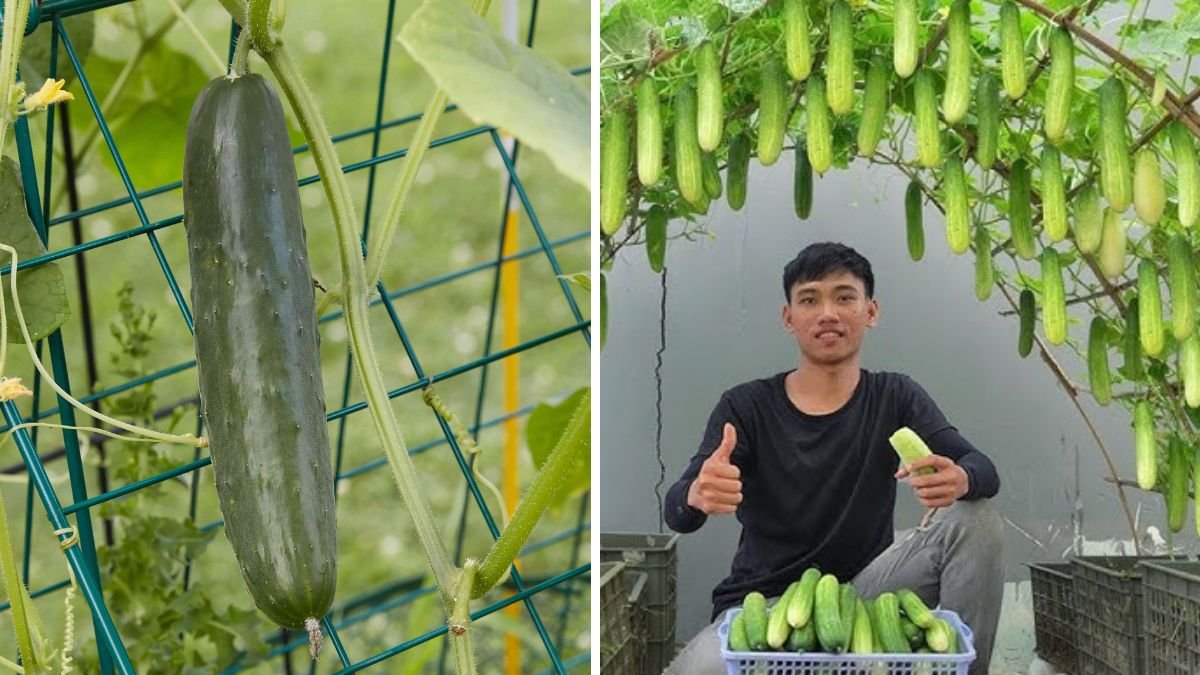
Cucumbers are one of the most popular vegetables for home gardeners, and it’s easy to see why. They are crisp, refreshing, and versatile — perfect for salads, pickling, and fresh snacking. Yet, many gardeners struggle to get the most out of their cucumber plants. From poor fruit set to pest infestations and inconsistent growth, the challenges can seem endless. But the good news is that with a few expert tips and tricks — some of which few people know — you can grow cucumbers that thrive and produce more than ever before. In this article, we’ll share 10 essential tips for growing cucumbers successfully and maximizing your harvest while keeping your garden healthy.
1. Plant at the Right Time
Timing is everything when it comes to cucumbers. These warm-weather lovers thrive in temperatures between 70°F and 75°F (21°C–24°C). Planting seeds too early, before the last frost, or when the soil is still cold, can cause stunted growth and poor germination.
For the best results, start seeds indoors 3–4 weeks before the last expected frost date, or sow them directly outdoors once the soil has warmed up. One little-known technique is succession planting: sowing seeds every 2–3 weeks. This ensures a continuous harvest throughout the season rather than a single peak that may overwhelm your table.
Expert Tip: Always check your local frost dates and soil temperatures before planting to give your cucumber plants the best start.
2. Water Deeply and Consistently
Cucumbers are over 90% water, making consistent moisture crucial for their growth. Inconsistent watering can lead to bitter fruits, poor flowering, or even plant stress that invites disease. While it might seem intuitive to water lightly every day, deep watering once or twice per week is far more effective. This encourages deep root growth, which helps plants tolerate dry spells.
Little-Known Hack: Mulching around the base of your cucumber plants with straw, leaves, or grass clippings can help retain soil moisture, prevent weed growth, and regulate soil temperature. Using drip irrigation is another way to water efficiently without wetting the leaves, which can reduce the risk of fungal diseases.
3. Ensure Good Pollination
A common reason cucumber plants fail to produce fruit is poor pollination. Cucumbers have separate male and female flowers, and while bees usually do the job, unfavorable weather can limit their visits. Without pollination, your plants may produce flowers but no cucumbers.
Secret Trick: Hand-pollinating flowers using a small brush or even a cotton swab can dramatically increase fruit set. Simply transfer pollen from male flowers to female flowers each morning. This method is especially helpful in greenhouses or urban gardens where pollinators are scarce.
4. Use Vertical Supports
Cucumber vines naturally sprawl across the ground, which can lead to soil-borne diseases, insect damage, and wasted space. Growing cucumbers vertically on a trellis or support not only keeps fruits clean but also improves airflow around the plants, reducing disease risk.
Few gardeners realize that vertical training can also make harvesting easier and more efficient. You can spot ripe cucumbers without bending over and keep the garden tidy. Trellises, A-frames, or even simple stakes can transform your cucumber-growing experience.
5. Prune Smartly
While cucumbers don’t require heavy pruning, light pruning can improve plant health and increase fruit production. Pinching off early side shoots or damaged leaves allows the plant to focus its energy on producing larger and healthier fruits.
This technique works particularly well for all-female cucumber varieties, which tend to be more productive. Removing unnecessary growth not only directs energy to fruit development but also improves sunlight penetration, which is critical for photosynthesis.
6. Feed Them Well
Cucumbers are heavy feeders. They need nutrient-rich soil to support their rapid growth and fruit production. Start with a base of well-draining, fertile soil enriched with compost or aged manure. As plants grow, side-dress them every 2–4 weeks to maintain nutrient levels.
Pro Tip: Avoid over-fertilizing with nitrogen alone, as this can result in lush foliage at the expense of flowers and fruits. A balanced fertilizer with phosphorus and potassium encourages flowering and fruiting. Many gardeners have seen improved yields by supplementing with organic fertilizers like seaweed extract or fish emulsion.
7. Choose the Best Growing Spot
Cucumbers love sunlight. At least 6–8 hours of direct sunlight per day is ideal for strong growth, abundant flowers, and sweet, flavorful fruits. In small gardens or urban settings, consider raised beds or containers placed in the sunniest spots.
For indoor growers, supplemental grow lights can mimic natural sunlight and extend the growing season. Remember, cucumbers that don’t get enough light may grow tall and spindly with poor fruit development.
8. Protect Against Pests
Cucumber beetles, spider mites, and aphids are common pests that can damage plants and reduce yields. Regular monitoring and early intervention are essential. Companion planting is an organic solution that works well — planting cucumbers near flowers, garlic, or herbs can deter pests naturally.
Physical barriers like row covers can also protect young plants until they are strong enough to handle insects. Avoid using chemical pesticides whenever possible to maintain a healthy garden ecosystem and protect pollinators.
9. Harvest Often
Frequent harvesting is more than just a convenience — it actually stimulates plants to produce more cucumbers. Leaving mature fruit on the vine can slow down new flowering and fruiting.
Little-Known Insight: Harvest cucumbers when they are still firm and slightly smaller than their maximum size for the best taste and texture. Regular picking encourages the plant to continue producing throughout the season.
10. Consider Innovative Methods
For gardeners seeking year-round production or higher yields in limited space, hydroponic systems and indoor gardening methods are becoming increasingly popular. These systems allow precise control over nutrients, light, and water, which can dramatically increase cucumber yields.
Even small-scale container gardens can benefit from these innovations. With the right setup, you can enjoy fresh cucumbers regardless of climate or season.
Authoritative Sources
For further guidance, consider consulting these reputable sources:
- University of Minnesota Extension – Growing cucumbers: extension.umn.edu
- The Spruce – Cucumber growth stages: thespruce.com
- Garden Gate Magazine – Outdoor cucumber tips: gardengatemagazine.com
Final Thoughts
Growing cucumbers successfully requires more than just planting seeds. From choosing the right planting time to ensuring proper pollination and regular harvesting, a few lesser-known techniques can make a huge difference in yield and quality. By following these 10 tips, you can enjoy bigger, healthier cucumbers all season long. With patience, care, and a few simple strategies, your garden can produce a bountiful cucumber harvest that’s sure to impress family, friends, and your taste buds.