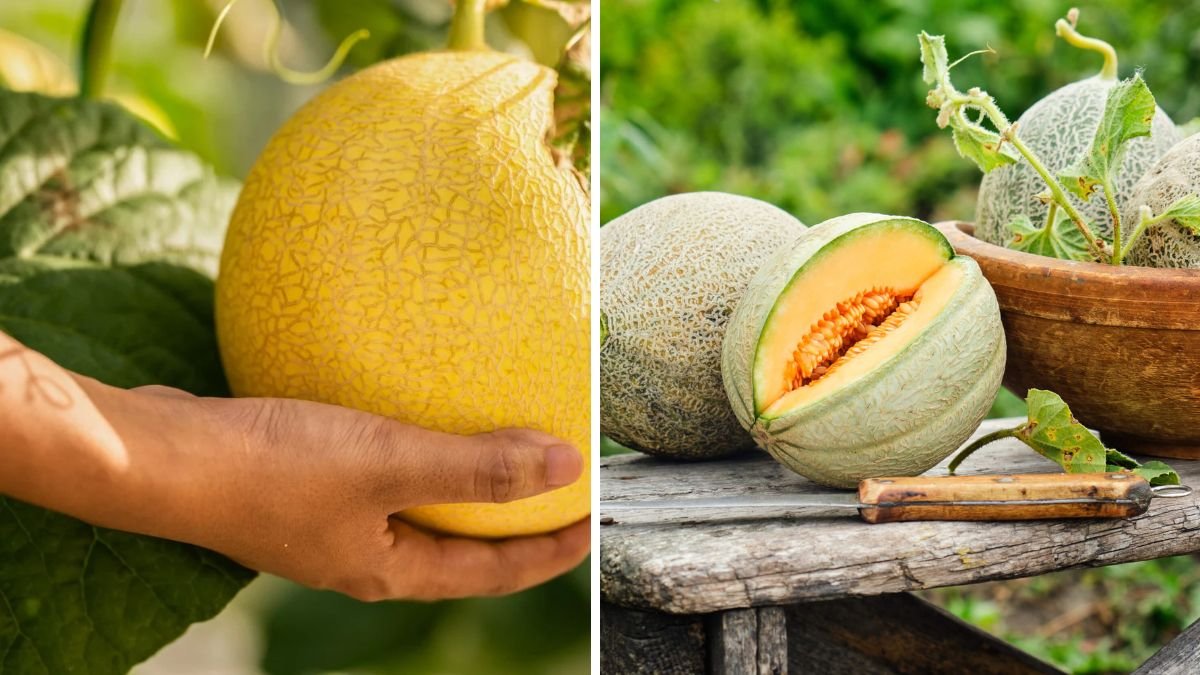
Why Growing Big, Sweet Melons Isn’t Just Luck
Melon success isn’t purely genetic or weather-dependent. While variety selection matters, gardening guides emphasize that cultural practices, soil health, water management, spacing, and pollination are equally crucial. Neglecting these factors can stunt growth, reduce sweetness, or even prevent fruits from forming. Recent expert recommendations suggest that gardeners who avoid common mistakes and implement targeted care see dramatically improved yields and flavor. (mollyshomeguide.com)
The Most Critical Mistake: Watering Incorrectly
The single most common reason melons fail to reach their full potential is improper watering. Melons are sensitive to both overwatering and underwatering, particularly during flowering and fruiting stages. Too much water dilutes sugar concentration, leading to bland fruit. Too little water early on can stunt vine growth, limiting fruit size.
Correct Watering for Maximum Sweetness
- Deep and Consistent Watering Early: During vine establishment and flowering, ensure the soil remains moist to support root development and blossom formation.
- Reduce Water During Fruit Ripening: As melons mature, gradually cut back on watering. This encourages sugar concentration in the fruit, producing a sweeter taste.
- Water at Soil Level: Avoid wetting the foliage to prevent fungal disease. Drip irrigation or watering cans aimed at the soil are ideal.
- Morning Watering: Water early in the day so plants can dry before nightfall, reducing disease risk. (harvesttotable.com)
Proper watering ensures melons grow large, juicy, and sweet, forming the foundation of a successful harvest.
Common Mistakes That Reduce Size and Flavor
While watering is the biggest factor, several other errors consistently limit melon size and sweetness. Correcting these issues is essential to maximizing results.
Overcrowding Plants
Melons require space to grow and spread. Planting them too close together causes competition for sunlight, nutrients, and water, resulting in smaller fruits. For ground-grown varieties, allow vines to sprawl freely. If using vertical trellises, ensure sufficient airflow and sunlight exposure to each plant. Proper spacing encourages vigor, fruit set, and size. (thegardenmagazine.com)
Neglecting Soil Health
Melons are heavy feeders. Without rich, well-draining soil, plants struggle to grow large fruits or develop sweetness. Poor soil leads to shallow roots and nutrient deficiencies, which reduce both yield and flavor.
Soil preparation tips:
- Incorporate organic compost or well-rotted manure before planting.
- Use raised beds or mounded hills for improved drainage.
- Maintain soil fertility with light side-dressings during vine growth. (completegardening.com)
Ignoring Pollination
Melons produce male and female flowers, and insufficient pollination reduces fruit set. Without adequate bee activity or manual pollination, plants may produce fewer melons, and some flowers may fail to develop at all.
Pollination tips:
- Plant pollinator-friendly flowers near melon patches to attract bees.
- Hand pollinate flowers with a soft brush if natural pollinators are scarce. (thegardenmagazine.com)
Harvesting at the Wrong Time
Harvesting too early results in bland, underdeveloped melons, while harvesting too late can lead to overripe, mealy fruit. Each melon type has distinct maturity signs:
- Cantaloupe: Look for netting pattern on the rind and a sweet aroma.
- Watermelon: Check the tendril near the stem; it should dry and brown. Tap the fruit to listen for a hollow sound. (mollyshomeguide.com)
Timing harvest correctly ensures peak sweetness and texture.
Advanced Tips for Bigger, Sweeter Melons
Once the basic mistakes are corrected, these practices help maximize size, flavor, and overall yield.
Use Mulch
Organic mulch regulates soil moisture, suppresses weeds, and prevents fruit from contacting wet soil. Straw or grass clippings work best. Mulching also keeps soil temperature stable, benefiting vine growth and fruit development. (mollyshomeguide.com)
Strategic Pruning
While melons naturally produce sprawling vines, excess growth diverts energy away from fruit. Pruning secondary shoots and limiting the number of fruits per vine concentrates the plant’s resources on fewer, larger, and sweeter melons. (cafemadras.org)
Maximize Sunlight
Melons need at least 6–8 hours of sunlight daily. Place them in open, sunny spots to ensure vigorous growth and optimal sugar production. (completegardening.com)
Monitor Soil Moisture
Using a moisture meter can prevent over- or underwatering, helping maintain conditions that maximize sweetness and fruit size. This tool ensures consistent care and reduces stress on the vines. (harvesttotable.com)
Suggested Authoritative Sources
For further guidance on growing melons, consult these resources:
- UMass Amherst: Melon Growing Tips – Expert guidance on soil, watering, pests, and harvest. (umass.edu)
- Grow Organic: Watering Melons Right – Maximizing sweetness through proper irrigation. (groworganic.com)
- Complete Gardening Guide – Common mistakes in melon cultivation. (completegardening.com)
- Cafe Madras: Sweet Honeydew Tips – Vine support, pollination, and pruning techniques. (cafemadras.org)
Final Thoughts: Success Starts With Avoiding the Key Mistake
Growing large, sweet melons isn’t about luck — it’s about avoiding critical errors while providing proper care. The single most important factor is correct watering, especially during fruit development. Combine this with proper spacing, soil enrichment, pollination, strategic pruning, sunlight exposure, and careful harvest timing, and your melons will thrive.
By following these tips, you can enjoy juicy, flavorful, and visually impressive melons from your garden. With consistent care and attention to detail, even a small backyard patch can produce fruit that rivals commercial harvests.
Big, sweet melons start with avoiding mistakes first — everything else builds on that foundation.