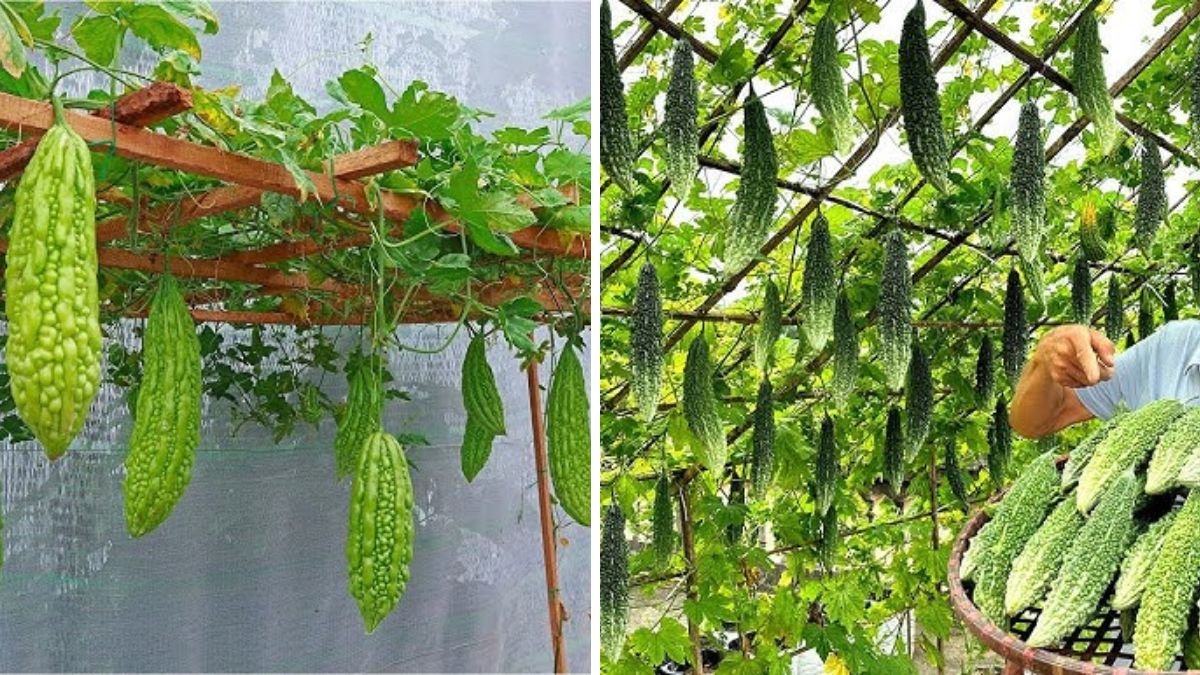
Introduction: Why a Trellis Is Key for Bitter Gourd
Bitter gourd (karela) is a climbing vine widely appreciated for its nutritional and medicinal value. Whether grown in a backyard garden, terrace, or balcony, providing a proper support system is essential to achieve higher yields and healthier fruit.
A trellis encourages vines to climb upward instead of sprawling on the ground. This improves air circulation, sunlight exposure, reduces soil-borne pests, and makes harvesting easier. With [FOCUS KEYWORD], you can construct a simple, effective trellis that supports vigorous growth and maximizes fruit production.
The Role of Trellising in Bitter Gourd Growth
Without a trellis, bitter gourd vines tend to sprawl along the soil. This can lead to poor air circulation, increased fungal diseases, pest infestations, and lower-quality fruit. Fruit resting on the ground is more likely to rot or become blemished.
Vertical support addresses all these issues by:
- Improving airflow around leaves and stems
- Exposing flowers and young fruits to more sunlight
- Protecting fruits from soil contact and pests
- Making harvesting and maintenance simpler
Trellises can be simple and inexpensive, yet they have a profound effect on plant health and yield. (gardenerguidebook.com)
Step-By-Step: The Simplest and Most Effective Trellis Tip
The single most effective tip is to build a tall, sturdy vertical trellis. This allows vines to grow freely upward and spread evenly, promoting continuous fruiting.
1. Materials
- Bamboo poles, wooden stakes, metal rods, or PVC pipes for vertical support
- Strings, wires, or netting between poles for vines to grip
2. Planting and Spacing
Plant seeds or seedlings at the trellis base with 2 feet spacing to prevent overcrowding. Crowded plants compete for sunlight, water, and nutrients, reducing fruit size and vigor.
3. Training the Vines
As the vines grow, gently guide them toward the trellis using soft ties. Encourage climbing early to avoid sprawling.
4. Pruning
Remove dead or weak stems to focus energy on healthy growth. Selective pruning improves air circulation and maximizes fruit production.
5. Watering and Feeding
Maintain evenly moist soil, particularly during flowering and fruiting. Apply potassium-rich fertilizer monthly to encourage flowering and fruiting. Avoid overwatering, which can cause root rot. (gardenerguidebook.com)
Benefits of Vertical Trellising
Better Sunlight Exposure
Climbing vines receive more direct sunlight, which promotes healthy leaf growth, flower production, and larger, sweeter fruits.
Optimized Space
Trellising allows gardeners to grow more plants in limited spaces like balconies, terraces, or small backyard plots.
Cleaner, Healthier Fruits
Fruits hanging off the ground are less susceptible to rot, pests, and blemishes, resulting in high-quality produce.
Ease of Maintenance and Harvesting
Trellises make it easier to inspect plants for pests, prune vines, and harvest fruits without bending or disturbing sprawling vines. (timesofindia.indiatimes.com)
Additional Tips for Maximizing Bitter Gourd Yield
Soil and Sunlight
- Use well-drained, loose soil
- Provide 6–8 hours of sunlight daily
- Ensure soil pH is slightly acidic to neutral (5.5–7.0)
Fertilization
- Pre-plant: enrich soil with compost or manure
- Early growth: nitrogen-rich fertilizer to strengthen vines
- Flowering/fruiting: potassium and phosphorus-rich fertilizers to boost yield
Pruning and Vine Management
- Trim main stems after they reach the top of the trellis to encourage lateral branches
- Remove yellowing or diseased leaves promptly to maintain air circulation
Pest and Disease Management
- Inspect vines regularly for aphids, beetles, or fungal spots
- Use organic sprays like neem oil when necessary
- Avoid overwatering to prevent fungal growth
Container Gardening Adaptations
For terrace or balcony setups, use deep containers (30–35 cm) and trellis frames to allow vertical growth. This method is highly efficient for urban spaces. (agrifarming.in)
Common Mistakes to Avoid
- Using weak or unstable materials – leads to collapsed trellises and damaged vines
- Planting too closely – stunted growth and poor air circulation
- Neglecting to train vines – sprawling reduces fruit quality and yield
- Over-fertilizing nitrogen – encourages leaves over fruits
- Ignoring pests or diseases – early detection is key for maximum yield
Authoritative Sources for Reference
- Gardener Guidebook – Bitter Gourd Trellis Tips (gardenerguidebook.com)
- AgriFarming – Growing Bitter Gourd in Pots (agrifarming.in)
- Times of India – Home Garden Bitter Gourd (timesofindia.indiatimes.com)
- KAU AgriTech – Bitter Gourd Support and Pruning (agritech.kau.in)
Conclusion: Maximize Your Bitter Gourd Harvest
The single most effective and simple tip for growing high-yield bitter gourd is to construct a tall, sturdy vertical trellis and train your vines properly. This approach improves sunlight exposure, airflow, fruit quality, and ease of maintenance.
With [FOCUS KEYWORD] guiding your gardening approach, you can grow healthy vines that climb efficiently, yielding continuous, high-quality fruits. Trellising transforms limited spaces into productive gardens, making it the cornerstone of successful bitter gourd cultivation.
Whether you are gardening on a terrace, balcony, or backyard, applying this trellis technique ensures maximum yield, healthier vines, and cleaner fruits, all with minimal effort.