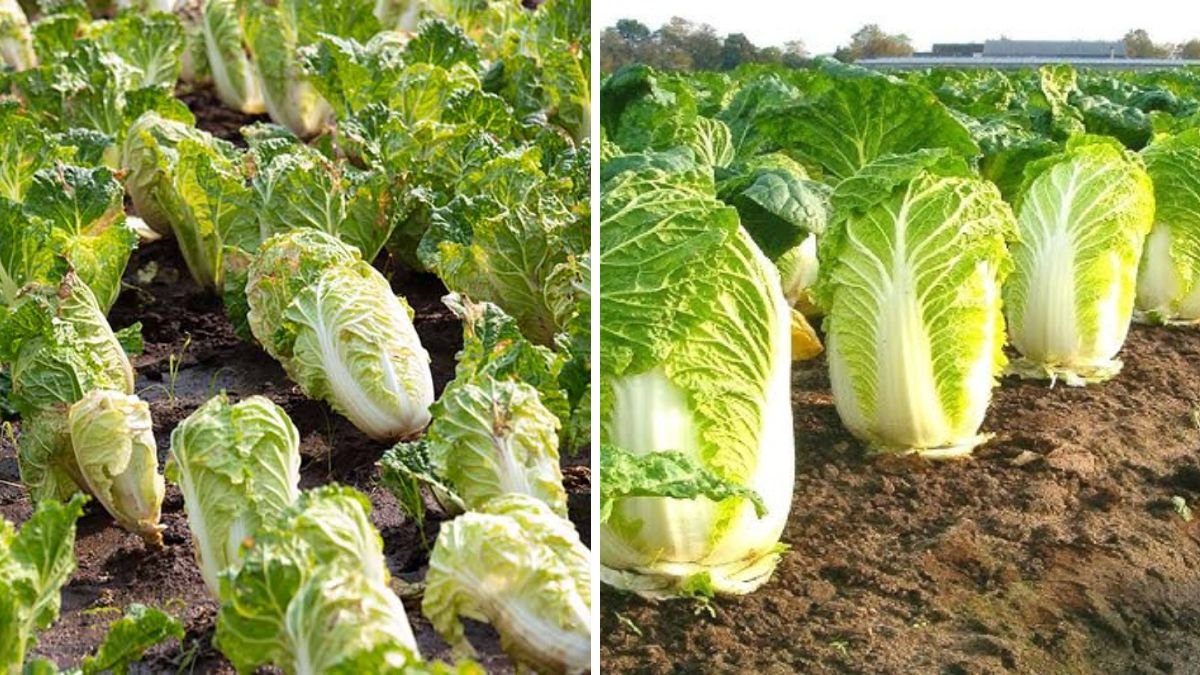
Growing Chinese cabbage, also known as Napa cabbage or Asian cabbage, is a rewarding way to produce crisp, tender greens right in your garden. For many gardeners, the challenge lies in achieving a fast harvest while avoiding the common pests and diseases that affect brassica crops. With the right planning, timing, and care, you can enjoy healthy, flavorful cabbage with minimal issues.
This guide brings together the latest expert advice to help you grow Chinese cabbage quickly and successfully, whether you’re a home gardener or small-scale grower.
Why Chinese Cabbage is a Popular Choice
Chinese cabbage has grown in popularity for several reasons:
- Quick growth: Baby leaves can be harvested in as little as six weeks, while full heads mature in 50–80 days. (rhs.org.uk)
- Nutritional benefits: It is rich in vitamins C and K, fiber, and antioxidants.
- Versatile in cuisine: Perfect for stir-fries, soups, salads, and pickling.
- Compact growth habit: Suitable for smaller gardens or container cultivation.
The combination of speed, nutrition, and culinary flexibility makes Chinese cabbage ideal for gardeners aiming for quick, reliable yields.
Choosing the Right Variety and Timing
Selecting the right variety and planting at the right season is critical for fast growth and minimal pest problems:
- Cool-season planting: Chinese cabbage grows best in spring or late summer, avoiding the hottest months. Cool temperatures help prevent bolting (premature flowering), which reduces quality. (rhs.org.uk)
- Fast-maturing varieties: Some cultivars are bred to form compact heads quickly, allowing harvest in as little as 50 days. (vegplotter.com)
- Salad leaf crops: If you prefer greens rather than full heads, sow seeds closer together and harvest tender leaves at 6–8 weeks for a continuous supply.
Planting at the optimal time ensures faster growth, better flavor, and reduced exposure to heat-loving pests.
Soil Preparation and Planting
Healthy soil is the foundation for rapid growth and disease resistance:
- Soil pH and nutrients: Chinese cabbage prefers slightly acidic to neutral soil (pH 6.0–7.5). Mix in compost or well-rotted manure to retain moisture and provide essential nutrients. (vegplotter.com)
- Plant spacing: Sow seeds 1 cm deep. Thin seedlings to 30–45 cm (12–18 in) apart for full heads, or closer for leafy greens. (vegplotter.com)
- Consistent moisture: Keep soil evenly moist. Uneven watering slows growth, causes bitterness, or triggers bolting. (vegplotter.com)
- Mulching: Apply organic mulch to conserve moisture, regulate soil temperature, and reduce weeds. Mulch also protects roots from stress, which can increase susceptibility to disease. (rhs.org.uk)
Proper soil preparation encourages fast, healthy growth and helps plants resist pests naturally.
Techniques for a Quick Harvest
Speeding up growth involves a combination of planting strategies and environmental management:
1. Succession Planting
Sow small batches every 2–3 weeks. This ensures a steady supply of greens and full heads, and spreads harvest over time. Succession planting also reduces the risk of losing an entire crop to pests or unfavorable weather. (deepgreenpermaculture.com)
2. Maintaining Cool Conditions
Chinese cabbage thrives in cool temperatures. Warm conditions can trigger bolting, which shortens the harvest window and reduces quality. Shade cloth can help moderate temperature in warmer months. (rhs.org.uk)
3. Fertilization for Rapid Growth
A light side-dressing of compost or organic fertilizer during the growth phase can promote faster head formation. Avoid excessive nitrogen, which encourages leafy growth at the expense of compact heads. (cityecofarm.com)
Preventing Pests Naturally
Pest management is key to a healthy, quick-growing crop. Here are the most effective strategies:
Companion Planting
Planting pest-repellent flowers or herbs like marigolds, dill, or nasturtiums nearby can deter aphids, cabbage worms, and flea beetles. (tomsguide.com)
Physical Barriers
Use insect netting or row covers to prevent butterflies from laying eggs on the leaves. This is especially important during peak pest seasons. (rhs.org.uk)
Organic Pest Controls
- Hand-picking: Remove visible larvae or aphids by hand.
- Neem oil or Bt sprays: Target caterpillars and larvae without harming beneficial insects.
- Beneficial insects: Encourage ladybugs and lacewings to prey on aphids. (cityecofarm.com)
Combining these methods reduces chemical use while keeping your crop healthy and vigorous.
Disease Prevention
Chinese cabbage can suffer from clubroot, black rot, downy mildew, and other brassica diseases. Preventive measures are more effective than treatment:
Crop Rotation
Avoid planting brassicas in the same spot year after year. Rotate with unrelated crops, such as beans or cucumbers, to interrupt disease cycles. (deepgreenpermaculture.com)
Irrigation Practices
Water at the soil level rather than overhead to keep leaves dry and reduce fungal infections. (forestry.com)
Resistant Varieties
Some modern cultivars are bred to resist common diseases, including black rot and clubroot. Ask your seed supplier for region-specific recommendations. (rhs.org.uk)
Clean Tools and Hygiene
Sanitize tools and remove diseased plants promptly. Avoid composting infected material to prevent spreading pathogens. (cogs.asn.au)
Harvesting Tips
Chinese cabbage can be harvested in stages:
- Salad greens: Pick outer leaves when young, around 6–8 weeks. (rhs.org.uk)
- Semi-mature heads: Cut when heads feel firm, usually 50–60 days. (vegplotter.com)
- Full heads: Wait until tightly formed, but avoid leaving them too long to prevent splitting or bolting. (growmad.co.uk)
Harvest in the morning or evening to preserve crispness and flavor.
Authoritative Sources for Further Learning
- RHS – How to Grow Chinese Cabbage: Comprehensive expert guide (rhs.org.uk)
- VegPlotter – Planting & Harvest Timing: Practical guidance for fast harvest (vegplotter.com)
- City Eco Farm – Growing Tips & Disease Management: Step-by-step advice (cityecofarm.com)
- Deep Green Permaculture – Seasonal Guides: Expert insights on brassica rotation and growth (deepgreenpermaculture.com)
Linking to these sources improves credibility and provides actionable tips for gardeners.
Conclusion
Growing Chinese cabbage quickly and with minimal pest or disease issues is entirely achievable. By selecting fast-maturing varieties, planting in cool seasons, maintaining well-prepared soil, using physical and organic pest management, and practicing crop rotation, you can enjoy crisp, healthy cabbage in as little as six weeks.
With careful attention to timing, variety selection, and preventive care, your garden can consistently produce pest-resilient, high-quality Chinese cabbage — fresh, flavorful, and ready for the table.
Meta Description:
Learn how to grow Chinese cabbage fast and healthily with minimal pest and disease problems. Discover expert tips, quick harvest strategies, and the latest advice on boosting yields and protecting your crop.
URL Slug:
grow-chinese-cabbage-quick-harvest-no-pests-diseases