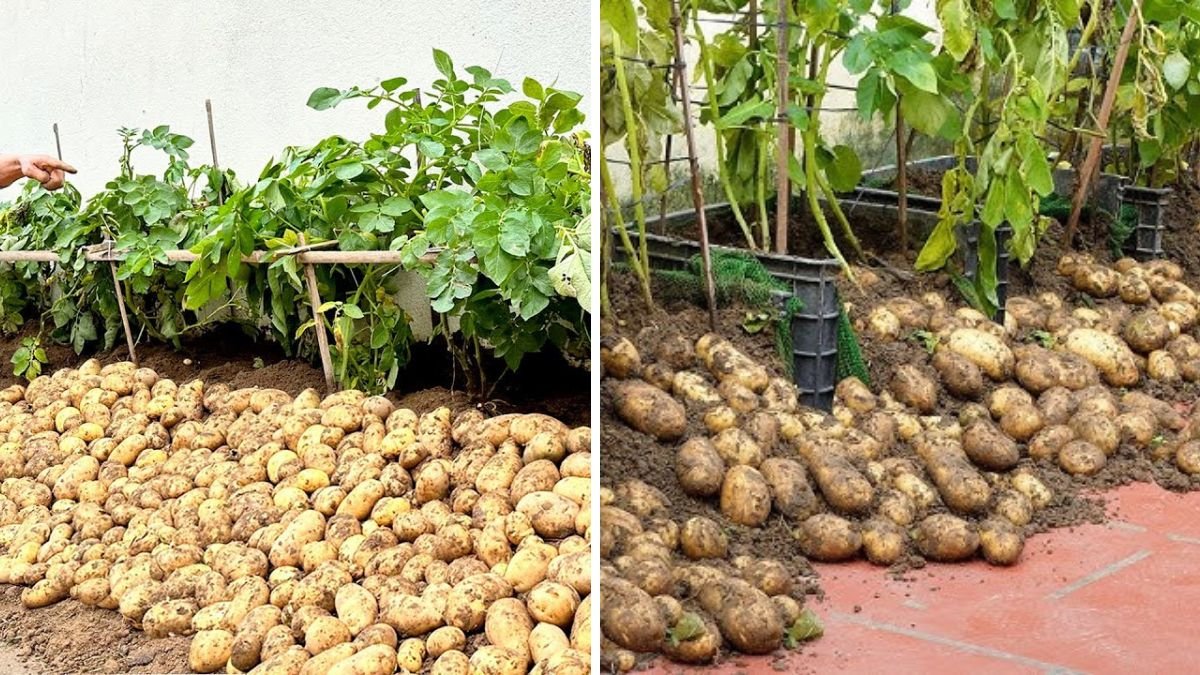
Introduction: Why Tuber Number Matters
Potatoes are one of the most widely grown and consumed crops globally. For farmers and home gardeners alike, the number of tubers per plant directly affects yield and profitability. Even a few extra tubers per plant can make a noticeable difference in overall production.
Yet, many potato growers focus only on planting techniques or irrigation schedules and overlook one critical factor that can dramatically increase tuber numbers: balanced nutrition during the tuber initiation phase. In this [FOCUS KEYWORD] guide, we’ll explore the science behind potato tuber formation, the critical tip you cannot ignore, and additional practices that help you maximize yields.
The Most Important Tip You Can’t Ignore
Balanced Nutrition at Tuber Initiation
Research shows that the number of tubers a potato plant produces is strongly influenced by nutrient availability at the tuber initiation stage — the period when underground stolons begin forming tubers. Adequate levels of phosphorus (P), potassium (K), and calcium (Ca) are crucial. Without sufficient phosphorus and potassium during this phase, plants may produce fewer tubers, even if other growing conditions are ideal.
Key Takeaway: To achieve more tubers per plant, ensure nutrients are available during the early 40–70 days of plant growth. Fertilization at this stage enhances tuber formation, leading to higher yield potential. (yara.ie)
Understanding Potato Yield
Maximizing potato production requires a combination of strategies. Let’s break down the factors influencing tuber number and yield.
Variety Selection
The potato variety you plant sets the foundation for yield. Modern cultivars are bred for disease resistance, uniform growth, and higher tuber counts. In India, new varieties such as Kufri Ratan and Kufri Tejas have been approved, designed specifically to increase tuber numbers and improve marketable yields. (royalbulletin.in)
Planting Technique and Timing
Planting depth and timing influence root development and stolon formation. Shallow planting can limit root growth, while too deep planting may delay emergence. Ideal conditions vary with region, but maintaining consistent soil temperature and moisture during early growth is essential for successful tuber initiation.
Soil and Water Management
Soil structure, moisture, and drainage affect tuber growth. Raised or ridged beds allow for better root development and prevent waterlogging. Conversely, insufficient water can stress plants and reduce tuber formation. Proper moisture management ensures that tubers develop evenly and achieve maximum size. (aajtak.in)
How to Apply the Key Tip in Practice
1. Soil Testing
Start with a soil test to determine existing nutrient levels. This helps you identify deficiencies and plan fertilizer application accurately. Soil testing is particularly important for phosphorus and potassium, as these nutrients influence tuber set.
2. Apply Balanced Fertilizers
Based on soil test results, apply fertilizers that provide adequate phosphorus and potassium. This can be done before planting or at early growth stages. Many successful growers follow region-specific fertilizer recommendations to maximize tuber numbers.
3. Timing of Nutrient Application
Timing is critical. Ensure nutrients are available during tuber initiation (40–70 days after planting). This period is when stolons elongate and develop tubers. Nutrient availability at this stage directly correlates with the number of tubers formed. (kisanindia.in)
Additional Tips to Boost Potato Production
While balanced nutrition during tuber initiation is the most critical factor, other practices complement this strategy:
Use Disease-Resistant Varieties
Choose varieties that are resistant to common potato diseases. Resistant varieties reduce crop losses and ensure more tubers reach maturity. Examples include Kufri Jyoti and Kufri Chandramukhi. (royalbulletin.in)
Optimize Planting Density
Proper spacing ensures that each plant receives sufficient light, water, and nutrients. Raised beds or ridges allow for better tuber growth and reduce competition among plants. Wider ridges also facilitate root and stolon expansion, increasing tuber count. (aajtak.in)
Maintain Consistent Soil Moisture
Even soil moisture is essential. Avoid waterlogging, which can cause rot, and prevent drought stress, which reduces tuber number. Regular irrigation ensures tubers grow evenly and reach their potential size.
Monitor Pest and Disease Pressure
Regularly inspect plants for signs of pests or disease. Healthy plants allocate more energy to tuber development. Early intervention helps maintain optimal tuber formation.
Success Stories from Farmers
Several Indian farmers have successfully applied these practices:
- In Barabanki, Uttar Pradesh, a farmer increased potato yield by ~40% by using raised beds, optimizing irrigation, and timing fertilizer application during tuber initiation. (abplive.com)
- In Hathras, growers expanded potato acreage and improved yield through modern agronomic techniques, demonstrating the impact of nutrient management combined with proper field practices. (amarujala.com)
These examples illustrate how adopting nutrient-focused strategies along with good field management can dramatically increase tuber production and overall yield.
Authoritative Sources
For further guidance, consult these authoritative sources:
- Yara – Influencing Potato Tuber Numbers: Expert insights on nutrient timing and tuber formation. (yara.ie)
- AgroStar – Top Potato Varieties for High Yield: Variety selection for maximum tuber production. (agrostar.in)
- ICAR & Agricultural Variety News: Updates on high-yielding potato cultivars. (royalbulletin.in)
- Field Reports from Barabanki & Hathras: Real-world yield improvement strategies. (abplive.com)
Conclusion
To maximize potato tuber production, the single most important tip is ensuring balanced nutrition during tuber initiation, particularly adequate phosphorus and potassium. Combined with variety selection, proper planting techniques, irrigation, and pest management, this strategy enables plants to produce more tubers per plant, leading to higher yields and better profitability.
Use this [FOCUS KEYWORD] guide to plan your potato crop strategically, increase your harvest, and achieve healthier, more productive potato plants. By applying science-backed techniques and timing nutrient application carefully, you can ensure every plant reaches its maximum potential. 🥔🌱