Introduction
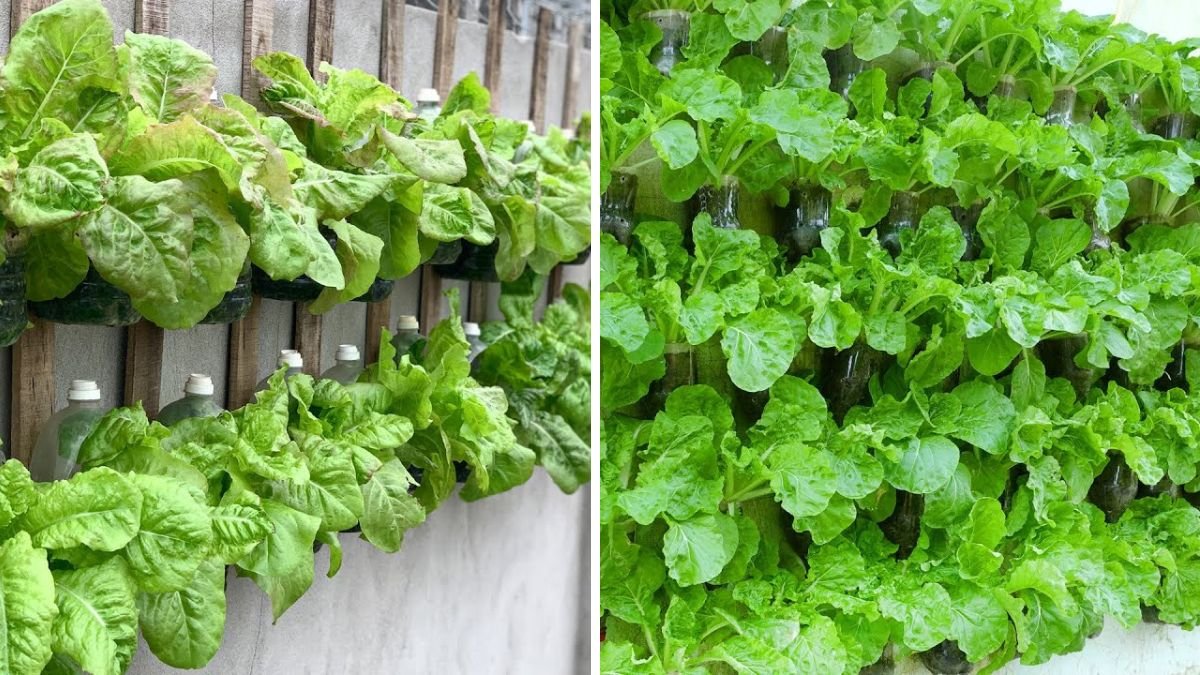
Urban gardening has come a long way. Today, gardens are no longer limited to backyards or horizontal plots — walls are becoming thriving ecosystems. Imagine a living wall, teeming with fresh vegetables and herbs, crafted entirely from recycled materials like plastic bottles, reclaimed wood, or old containers. These vegetable walls are not only visually stunning but also sustainable, combining art, functionality, and eco-conscious design.
With urban populations rising and outdoor space shrinking, vertical gardening is an ideal solution. By integrating edible plants into walls, even city dwellers can grow their own food efficiently. This approach allows continuous harvests, reduces food waste, and brings greenery into otherwise barren spaces. The secret to creating such installations lies in [FOCUS KEYWORD], which combines creative reuse of materials with vertical gardening principles.
Background: The Rise of Vertical and Recycled Vegetable Walls
Vertical gardening itself is not a new concept, but integrating recycled materials has taken it to a new level. Early modular systems, like the Wallflower vertical garden, showcased how structural panels could support multiple plants while using recycled plastics to reduce environmental impact. (designboom.com)
Another inspiring project is Greenbelly, which transforms walls into living, edible spaces that utilize sunlight, rain, and organic waste. These gardens demonstrate how urban environments can simultaneously address aesthetic, ecological, and food-production challenges. (designboom.com)
Such innovations show that recycled vegetable walls are more than decorative — they are functional urban agriculture solutions that make efficient use of limited space.
Why Vegetable Walls Are Important
Sustainable Food Production
Urban areas face decreasing availability of land for traditional agriculture. Vertical vegetable walls allow gardeners to grow food upwards instead of outwards, increasing productivity per square foot without requiring extra land.
Recycling and Environmental Impact
Using discarded materials, such as plastic bottles, old containers, and reclaimed wood, reduces waste while creating a functional and beautiful green space.
Aesthetic and Functional Benefits
Vegetable walls enhance the visual appeal of buildings, balconies, and community spaces while producing food. This approach, known as foodscaping, integrates edible plants into ornamental landscapes to combine beauty with productivity. (en.wikipedia.org)
How Vegetable Walls Are Made from Recycled Materials
1. Plastic Bottle Planters
Plastic bottles are among the most popular recycled materials for DIY vegetable walls. By cutting bottles horizontally and attaching them to a wall, you can create individual planting pockets. Each bottle can support herbs, lettuce, or small vegetables. This method is lightweight, affordable, and ideal for balconies or urban spaces. (pinterest.com)
2. Modular Vertical Systems
For larger walls, modular systems like the Wallflower offer structured panels made from recycled plastic. These units can hold multiple plants and integrate drip irrigation systems to circulate water and nutrients efficiently. This approach supports a wider variety of vegetables, from leafy greens to small root crops, while minimizing water and maintenance requirements. (designboom.com)
3. Community and Urban Projects
Projects like Greenbelly demonstrate how large-scale vegetable walls can be built in urban environments. By using rainwater, sunlight, and organic compost, these walls not only beautify public spaces but also provide fresh vegetables for local communities. Smaller-scale versions can be adapted for home use, transforming fences, patios, or unused wall sections into productive gardens. (designboom.com)
Benefits of Recycled Vegetable Walls
Visual Appeal
A wall covered with vegetables adds color, texture, and vibrancy to any environment. The arrangement of leafy greens, herbs, and small vegetables creates an aesthetically pleasing living tapestry.
Fresh Food Supply
Urban gardeners gain direct access to fresh, organic vegetables without relying on stores, enabling healthier diets and reducing food miles.
Eco-Friendly and Sustainable
Repurposing waste materials reduces environmental impact while demonstrating creative and responsible design.
Community Engagement
Large installations in public or shared spaces encourage residents to participate in planting, harvesting, and maintenance, fostering a sense of shared ownership and connection to nature.
Steps to Build Your Own Recycled Vegetable Wall
1. Gather Materials
Collect plastic bottles, containers, old pallets, or reclaimed wood. These will form your planters and support structure.
2. Prepare the Wall
Install hooks, grids, or rails to securely hold your planters. Ensure the wall receives adequate sunlight for the vegetables you intend to grow.
3. Create Planters
Cut containers to form pockets, add drainage holes, and fill with a quality potting mix.
4. Arrange and Plant
Plan your design aesthetically, arranging plants in patterns that complement your space. Herbs, leafy greens, and small vegetables are ideal.
5. Water and Maintain
Use drip irrigation or hand watering to keep soil consistently moist. Regularly rotate crops and harvest to encourage continuous growth and optimal yields.
Inspiring Examples Worldwide
- Greenbelly: Urban walls transformed into edible gardens using sunlight, rain, and organic waste.
- Wallflower Vertical Garden: Modular, recycled-plastic panels supporting multiple vegetables with integrated irrigation.
These examples illustrate how recycled vegetable walls can be both visually stunning and highly productive, combining sustainability, functionality, and beauty.
Trends in Urban Gardening and Foodscaping
As cities grow and green space diminishes, vertical and recycled gardening solutions are becoming essential. Foodscaping blends edible plants with ornamental design, creating spaces that are visually appealing while producing food. Urban vertical farms, community projects, and DIY recycled walls demonstrate the growing popularity of sustainable, space-efficient gardening practices. (en.wikipedia.org)
Conclusion
Recycled vegetable walls are a remarkable fusion of sustainability, creativity, and urban gardening. By reusing materials like plastic bottles, pallets, and containers, you can craft a vertical garden that produces fresh vegetables while transforming any space into a visually striking, eco-friendly environment.
With the [FOCUS KEYWORD] approach, these walls are accessible for urban dwellers, homeowners, and communities alike. They improve aesthetics, increase food access, reduce waste, and foster engagement, making them an ideal solution for modern gardening challenges.
Whether for your balcony, backyard, or community space, building a vegetable wall recycled from everyday materials is a practical, rewarding, and inspiring way to grow food while creating beauty in your environment.