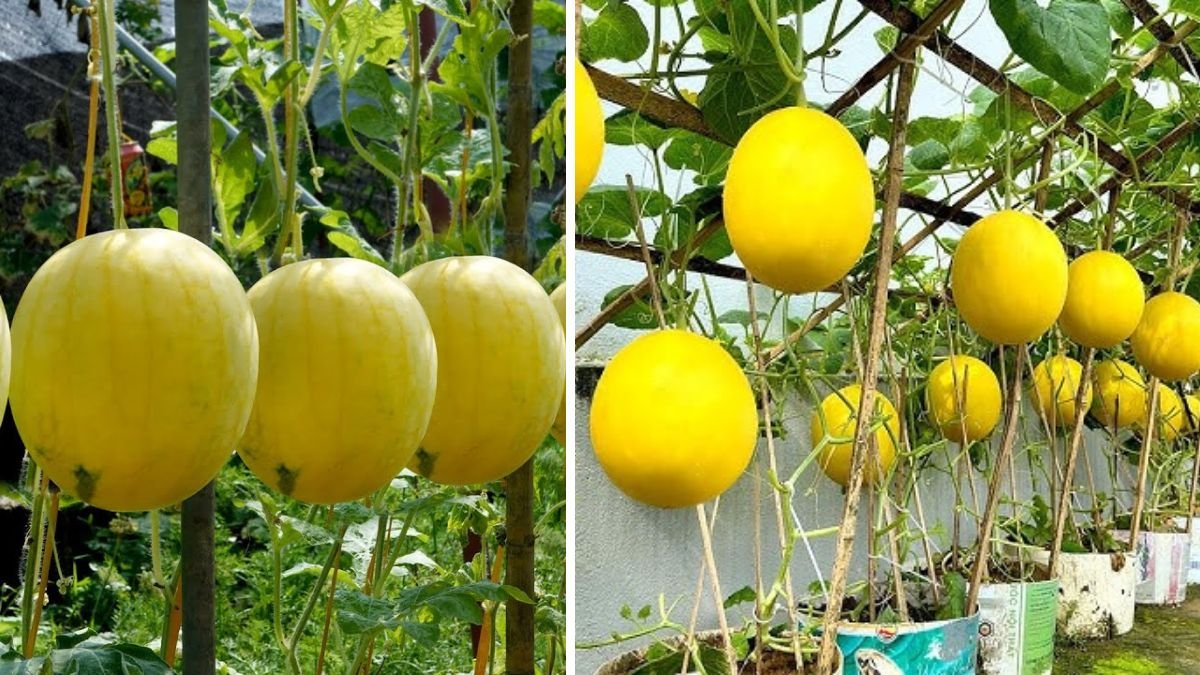
Watermelons are a summer favorite, and gardeners are increasingly drawn to yellow watermelons for their unique color, sweet flavor, and eye-catching appeal. These melons aren’t just a novelty—they can produce big, sweet, and juicy fruits when grown correctly. Whether you’re a beginner or an experienced gardener, understanding the secrets to growing yellow watermelons can help ensure a successful and abundant harvest.
In this guide, we’ll cover everything from soil preparation and planting to pollination, fertilization, and harvesting techniques that maximize size and sweetness.
What Makes Yellow Watermelons Special?
Unlike traditional red watermelons, yellow varieties get their color from a lack of lycopene, the red pigment in fruit. This gives them a striking yellow interior that is both visually appealing and often sweeter than red varieties. Many gardeners report a richer, fruitier taste that makes them perfect for fresh eating, fruit salads, and summer desserts.
Yellow watermelons come in both heirloom and hybrid varieties, some bred specifically for larger size and enhanced sweetness. Popular examples include the Yellow Crimson Sweet, Sunshine Yellow, and Yellow Doll varieties. Choosing the right variety is the first step in growing melons that are truly big and sweet.
Choosing the Right Variety and Planting Time
Variety Selection
When selecting seeds, look for varieties known for high yield, disease resistance, and sweetness. Heirloom varieties often offer exceptional flavor, while hybrids may provide larger fruits and better consistency in different climates. Most yellow watermelons take 70–100 days to mature, so consider your growing season length when choosing a variety.
Planting Time
Watermelons thrive in warm weather. Plant seeds after the last frost, once soil temperatures reach about 70°F (21°C). For cooler climates, start seeds indoors 3–4 weeks before transplanting. Warm soil encourages rapid germination and strong early growth, which is essential for producing large, sweet melons.
Preparing Soil for Maximum Growth
Watermelons are heavy feeders and need nutrient-rich, well-draining soil to flourish. Here’s how to prepare your garden bed:
- Amend the soil with compost or aged manure to provide essential nutrients.
- Choose loamy or sandy soil that allows proper drainage while retaining some moisture.
- Test soil pH and aim for 6.0–7.0, the ideal range for nutrient absorption.
Healthy soil supports strong root systems, which are crucial for producing large, juicy fruits. Mulching can help retain moisture and regulate soil temperature.
Sunlight: The Sweetness Accelerator
Sunlight is a critical factor in developing sweet, flavorful watermelons. These plants need 6–8 hours of full sun daily. In cooler climates, using black plastic mulch warms the soil, encourages early growth, and helps melons reach their full potential. Full sun exposure also boosts sugar accumulation in the fruit, ensuring every melon is sweet and ready to eat.
Watering and Irrigation Tips
Watering is one of the most important factors in achieving big, juicy fruits. Watermelons require consistent moisture, but overwatering can reduce sweetness and increase the risk of disease. Follow these tips:
- Provide 1–2 inches of water per week during early growth and fruit development.
- Reduce water slightly once fruits begin to mature to concentrate sugars.
- Use drip irrigation or soaker hoses to avoid wetting the leaves, which can promote fungal diseases.
Balanced watering ensures healthy vines and encourages melons to reach their maximum size and sweetness.
Pollination and Fruit Set
Watermelons require pollination to set fruit. Bees and other pollinators play a vital role, so avoid using insecticides during flowering. If pollinator activity is low, hand-pollinate flowers using a small brush to transfer pollen from male to female blooms.
To encourage larger fruits, limit the number of melons per vine to 2–4, allowing the plant to focus its energy on producing fewer but larger, sweeter fruits. Removing excess flowers and small fruits early in the season can make a noticeable difference in final fruit size.
Fertilization for Big, Sweet Melons
Fertilization should match the plant’s growth stage:
- At planting: Use a balanced fertilizer (10‑10‑10) to promote vine and leaf growth.
- During vine growth: Continue with balanced fertilizer applications to support healthy development.
- Once fruits set: Switch to fertilizers higher in phosphorus and potassium to enhance fruit size and sugar content.
Avoid excessive nitrogen, which encourages leafy growth at the expense of fruit development and sweetness.
Pest and Disease Management
Yellow watermelons are susceptible to common pests such as aphids, cucumber beetles, and squash bugs. Use organic pest controls, such as neem oil or companion planting with marigolds, to reduce infestations. Rotating crops and maintaining clean garden beds also minimize disease buildup.
Regularly inspect plants for early signs of powdery mildew, fusarium wilt, and other fungal infections. Removing diseased leaves promptly can prevent the spread and protect your harvest.
Harvesting at the Right Time
Proper timing is critical for ensuring melons are sweet and juicy. Unlike some fruits, watermelons do not continue to sweeten after harvesting, so you must wait until they are fully ripe. Look for these indicators:
- The underside, or field spot, turns creamy yellow, indicating it’s been resting on the soil.
- The stem near the fruit dries and begins to turn brown.
- A hollow sound when tapped, signaling the fruit is fully matured.
Using these simple techniques ensures your yellow watermelons reach peak sweetness before picking.
Why Yellow Watermelons Are Worth Growing
Yellow watermelons aren’t just visually striking—they offer unique flavor and can produce large, sweet fruits with proper care. Benefits include:
- Visual appeal: A vibrant yellow interior sets your garden apart and is a conversation starter at summer gatherings.
- Flavor: Many gardeners find yellow varieties sweeter and fruitier than red watermelons.
- Productivity: With proper pruning and care, vines can produce multiple large melons per season.
- Beginner-friendly: With proper soil, sunlight, and watering, even novice gardeners can enjoy abundant harvests.
Growing yellow watermelons combines beauty, taste, and the satisfaction of cultivating a unique crop that impresses both in the garden and on the table.
Expert Tips for Success
- Space vines generously, at least 6 feet apart, to prevent overcrowding and encourage maximum growth.
- Apply mulch to maintain soil moisture and reduce weed competition.
- Monitor fruit size and thin as needed to direct energy toward fewer, larger melons.
- Keep an eye on temperature and consider row covers in cooler regions to extend the growing season.
Following these expert tips helps ensure your yellow watermelons reach their full potential in both size and sweetness.
Authoritative Sources
For further guidance on growing yellow watermelons, these sources provide detailed, expert-backed advice:
- The Old Farmer’s Almanac – Comprehensive watermelon planting and care guides. (almanac.com)
- Planet Natural – Organic growing tips for yellow watermelon varieties. (planetnatural.com)
- Tree Care Zone – Pollination, pest management, and cultivation strategies. (treecarezone.com)
- Simply Recipes – How to tell when watermelons are perfectly ripe. (simplyrecipes.com)
These resources offer trusted, practical advice for gardeners seeking big, sweet, and healthy yellow watermelons.
Conclusion
Growing yellow watermelons that are big, sweet, and juicy is entirely achievable with the right combination of variety selection, soil preparation, sunlight, watering, and pollination techniques. By following these secrets to successful cultivation, gardeners can enjoy a vibrant, delicious, and rewarding summer harvest. Whether grown in a backyard plot or a container garden, yellow watermelons add a unique twist to traditional summer gardening and offer a truly satisfying experience for home growers and fruit lovers alike.