Introduction
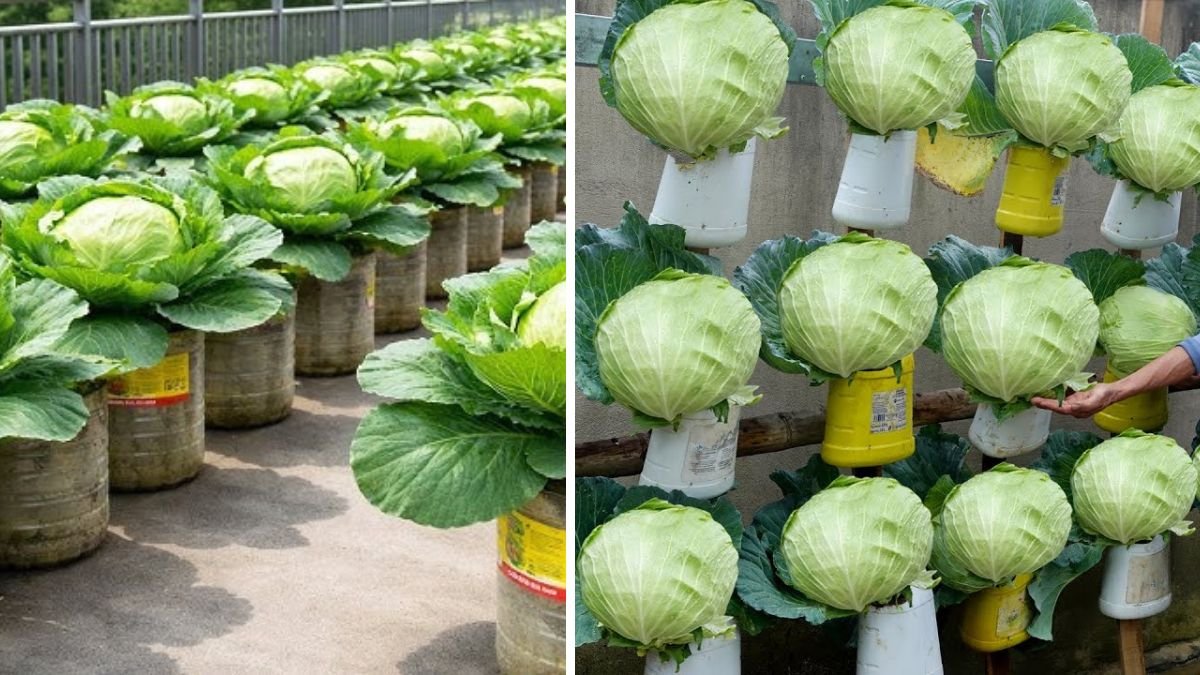
Plastic waste is one of the most pressing environmental challenges of our time. Millions of tons of plastic end up in landfills, rivers, and oceans every year, causing lasting damage to ecosystems. But what if we could transform this problem into a solution? Imagine turning discarded plastic bottles, crates, and containers into a one-of-a-kind cabbage garden. This innovative approach not only reduces waste but also allows you to grow fresh, healthy cabbage right at home—even if you don’t have a traditional garden.
Thanks to creative upcycling techniques, sustainable gardening practices, and simple DIY methods, it is now possible to turn plastic waste into productive garden spaces. This article explores practical methods, inspiring examples, and expert tips for creating a unique cabbage garden while promoting environmental responsibility.
Why Recycle Plastic into Gardens?
Before diving into how to build a cabbage garden from plastic, it’s important to understand why this approach matters:
- Environmental Impact
Plastics can take hundreds of years to decompose. By upcycling plastic containers, bottles, and crates, we reduce waste sent to landfills and oceans, giving these materials a second life in productive ways. - Urban Gardening Solution
Many people live in urban areas with limited outdoor space. Recycled plastic gardens allow for vegetable growing in apartments, rooftops, patios, and small yards, providing access to fresh produce even in compact environments. - Cost-Effective and Accessible
Instead of buying expensive planters, gardeners can repurpose materials they already have. This makes sustainable gardening more affordable and accessible to a wider audience. - Educational and Community Value
Recycled plastic gardens serve as conversation starters, teaching communities about sustainability, recycling, and food production. They can be integrated into school projects, community gardens, and eco-friendly initiatives. (homesandgardens.com)
Step-by-Step Guide to a Plastic-Based Cabbage Garden
Creating a cabbage garden from recycled plastic is both practical and fun. Here’s how to do it.
Step 1: Collect and Prepare Plastic Containers
Start by collecting sturdy plastic materials such as:
- Large bottles
- Buckets
- Milk containers
- Crates
- Old basins
Wash the plastics thoroughly to remove residues. Make sure containers are strong enough to hold soil and withstand outdoor conditions. For safety and durability, avoid thin plastics that crack easily.
Step 2: Select Cabbage Varieties
Cabbage prefers slightly acidic, nutrient-rich, well-drained soil and cooler temperatures. Some suitable varieties for container gardening include:
- Green cabbage
- Savoy cabbage
- Red cabbage
Compact or slow-growing varieties work best for smaller containers, while larger varieties can thrive in bigger recycled buckets or crates.
Step 3: Prepare the Planters
Plastic Bottle Planters:
Cut bottles vertically or horizontally. Add drainage holes at the bottom to prevent waterlogging. Young cabbage seedlings can start in smaller bottles and be transplanted into larger containers as they grow.
Buckets and Crates:
Plastic buckets or crates can be converted into larger planters. Line them with coconut coir, jute fabric, or old cloth to allow water drainage while retaining soil.
Vertical Planters:
Stack bottles or small containers to create vertical gardens, saving space while allowing multiple plants to grow. This technique is perfect for limited balcony or rooftop spaces. (thebetterindia.com)
Step 4: Soil and Nutrients
Cabbages are heavy feeders, so nutrient-rich soil is critical. A suitable mix includes:
- Compost
- Coco coir or peat
- Organic fertilizers (e.g., vermicompost or well-rotted manure)
Ensure the soil is loose and well-drained, allowing roots to expand freely. Regular addition of compost maintains soil fertility over time.
Step 5: Planting and Placement
- Place containers in partial to full sunlight (6–8 hours per day is ideal)
- Water consistently, keeping the soil moist but not soggy
- Mulch around plants with straw, leaves, or shredded paper to retain moisture
Vertical or stacked systems may require occasional rotation to ensure all plants receive adequate sunlight.
Step 6: Pollination and Maintenance
Cabbages are self-pollinating, but some airflow is beneficial for robust growth. Ensure there is good air circulation around the plants to reduce disease. Remove yellowing or damaged leaves regularly and watch for pests such as aphids and caterpillars.
Real-World Inspiration
Urban gardeners worldwide are already proving the potential of recycled plastic gardens. In Delhi, a home gardener transformed discarded plastic crates into a thriving vegetable garden, producing not only cabbage but also tomatoes, spinach, and herbs. This demonstrates that plastic waste can be effectively repurposed for high-yield, sustainable urban gardening. (thebetterindia.com)
Such initiatives highlight the power of creativity and resourcefulness in addressing environmental challenges while producing nutritious food locally.
Sustainability Considerations
While upcycling plastic for gardens has many benefits, it is important to acknowledge potential limitations. Over time, plastics exposed to sunlight and weather can degrade, shedding microplastics into the soil. Using UV-resistant, thicker plastics and lining planters with fabric can help minimize this risk. Ultimately, reducing overall plastic use remains essential alongside recycling and upcycling efforts. (timesofindia.indiatimes.com)
Tips for Maximizing Yield
- Choose Durable Plastics – Use thicker, UV-stable plastics to ensure your planters last longer.
- Optimize Drainage – Proper drainage prevents root rot and ensures healthy growth.
- Line Containers – Use breathable fabric to separate soil from plastic and extend the planter’s lifespan.
- Combine Materials – Integrate old wood, fabric, or tires with plastics to create larger, more stable garden systems.
- Rotate and Monitor – Ensure all plants receive sunlight and regularly check soil moisture and nutrient levels.
Benefits Beyond Aesthetics
Recycled plastic cabbage gardens offer benefits beyond visual appeal:
- Waste Reduction – Keeps plastics out of landfills and oceans
- Local Food Production – Reduces reliance on transported produce, lowering carbon footprint
- Community Engagement – Inspires neighbors, schools, and local organizations to practice sustainability
- Educational Value – Teaches children and adults about recycling, gardening, and environmental stewardship
Authoritative Sources
For more information and inspiration, refer to these reliable sources:
- National Geographic – Plastic Pollution – Overview of global plastic waste challenges. (education.nationalgeographic.org)
- Zero Waste Gardening Ideas – Creative tips for eco-friendly gardening. (homesandgardens.com)
- Recycling Containers for Urban Gardening – Real-life examples and guidance. (thebetterindia.com)
- Ecobricks Overview – Innovative method for reusing plastic bottles in building projects. (en.wikipedia.org)
Conclusion
Transforming plastic waste into a one-of-a-kind cabbage garden is a creative, practical, and environmentally responsible way to address two challenges at once: reducing plastic pollution and growing fresh, nutritious vegetables. Whether you are an urban gardener with limited space or simply looking for a sustainable DIY project, upcycling plastics into garden planters allows you to cultivate a thriving cabbage patch while contributing positively to the environment.
With creativity, planning, and a bit of effort, your discarded bottles, crates, and containers can become a productive, beautiful, and inspiring garden that demonstrates how sustainability and gardening can go hand in hand.