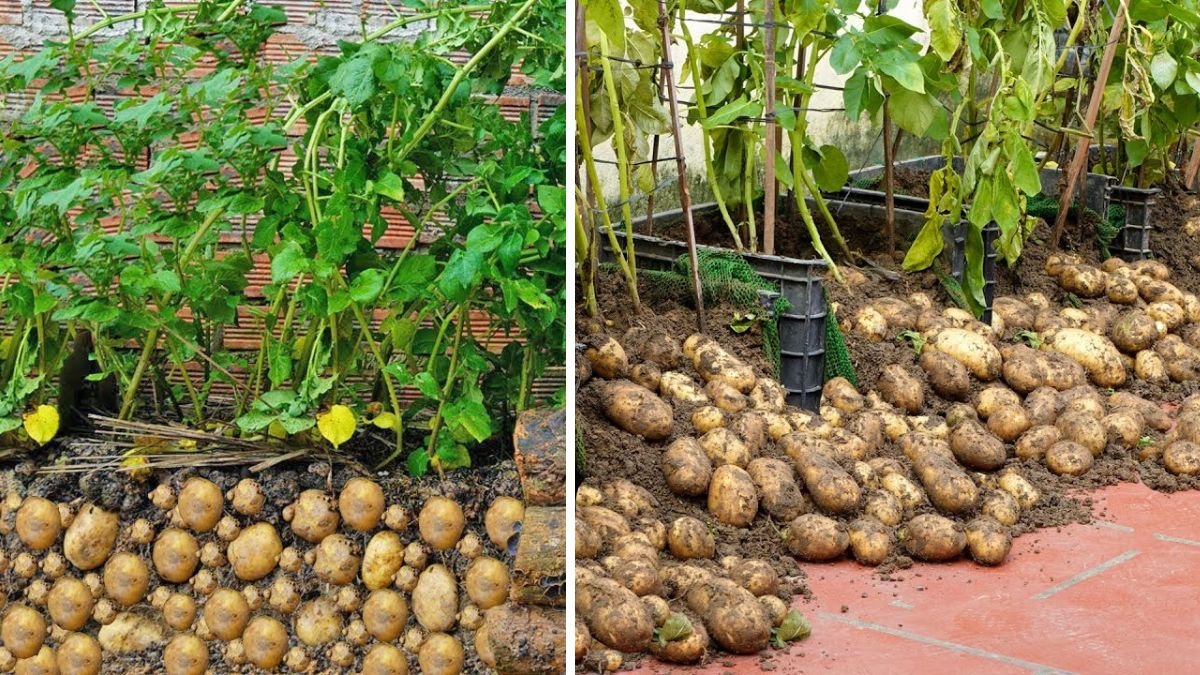
Potatoes are one of the world’s most beloved vegetables, known for their versatility and hearty flavor. While they are a staple in many kitchens, growing your own potatoes at home is often overlooked. The good news is that with a few simple tools, some containers or a small garden bed, and basic care, you can enjoy a bountiful potato harvest even as a beginner. The [FOCUS KEYWORD] approach has made home potato cultivation accessible, fun, and rewarding.
This guide will walk you through the steps to plant, grow, and harvest potatoes in a way that fits small spaces, limited budgets, and beginner-level gardening skills. Whether you’re growing new potatoes for salads or full-sized tubers for storage, this method makes it simple to enjoy fresh, homegrown spuds.
Why Growing Potatoes at Home Is Popular
Home gardening has seen a surge in popularity, with more people looking to grow their own food in urban and suburban environments. Potatoes, in particular, are ideal for small-space gardening because they can thrive in containers, grow bags, or raised beds. They don’t require large plots of land, making them perfect for balconies, patios, or small yards.
Additionally, growing potatoes at home allows you to control soil quality, watering, and pest management. Freshly harvested potatoes also taste better than store-bought ones, and you have the satisfaction of cultivating your own food sustainably. By repurposing containers or using grow bags, you can start this project at minimal cost while reducing household waste. (almanac.com)
Understanding How Potatoes Grow
Potatoes develop from seed tubers, which are small potato pieces containing at least one “eye” or bud. These tubers sprout roots and shoots that eventually produce more potatoes underground. Unlike seeds from other plants, seed potatoes guarantee consistent quality and a higher chance of a successful harvest. Grocery store potatoes often carry diseases and may not sprout, so certified seed potatoes are recommended for best results. (extension.umn.edu)
Potatoes thrive in loose, well-draining soil and prefer full sunlight. Traditional garden beds work well, but containers or grow bags are excellent alternatives if space is limited. These methods also allow easier soil management, better drainage, and portability.
Materials You’ll Need
Starting your potato garden requires minimal tools and materials, many of which you may already have at home:
- Certified seed potatoes (or pieces of seed potatoes with eyes)
- Large containers, pots, or grow bags (10–15 gallons recommended)
- Quality potting soil or compost
- Water and a watering can
- Sunny spot (at least 6 hours of sunlight per day)
- Knife or scissors for cutting tubers
Choosing the right container is key. It should allow for at least 12–15 inches of soil depth and have good drainage. Grow bags are lightweight, reusable, and ideal for small-space gardens. (nurseriesonline.com.au)
Preparing Seed Tubers
Start with healthy seed potatoes. If they are large, cut them into pieces, ensuring each piece has at least one eye. Allow the cut pieces to rest for a day or two — this process, called chitting, helps the cut surfaces heal and reduces the risk of rot. Chitted tubers are more likely to sprout quickly once planted.
Planting Potatoes in Containers or Bags
- Fill Containers: Fill your container or grow bag about one-third full of soil.
- Place Tubers: Lay your potato pieces or small whole seed potatoes on the soil with eyes facing upward. Space them about 4–6 inches apart to allow room for tuber growth.
- Cover: Add 4–6 inches of soil over the tubers. As shoots grow, gradually add more soil around the stems in a process called hilling. This encourages the plant to produce more potatoes underground.
Hilling is especially important in containers because it protects developing tubers from sunlight, which can cause them to turn green and become bitter. (rhs.org.uk)
Watering and Care
Potatoes need consistently moist soil but cannot tolerate waterlogged conditions. In containers, soil dries out faster than garden beds, so check moisture levels regularly. Water thoroughly when the top inch of soil feels dry. Adding a balanced fertilizer or compost every few weeks will help strengthen your plants and improve yields.
Keep your containers in full sun, rotate them occasionally to ensure even light exposure, and watch for pests or diseases such as potato blight. (horticulture.co.uk)
Growth Timeline
- New Potatoes: Small, tender tubers can be harvested as soon as plants flower, usually 8–10 weeks after planting.
- Mature Potatoes: For full-sized potatoes, wait until the plant’s foliage dies back naturally. This typically occurs 90–120 days after planting and signals that the tubers have matured.
Avoid washing potatoes before storage. Excess moisture can cause rot. Store harvested tubers in a cool, dark, and dry place for long-term use.
Benefits of Homegrown Potatoes
- Beginner-Friendly: Containers and grow bags make potato gardening accessible to all skill levels.
- Space-Saving: Perfect for small gardens, patios, or balconies.
- Fresh Taste: Homegrown potatoes are often more flavorful than store-bought varieties.
- Educational: Gardening teaches patience, responsibility, and sustainable practices.
- Eco-Friendly: Reusing containers or bags reduces waste and promotes green living. (thompson-morgan.com)
Common Mistakes to Avoid
- Using Grocery Store Potatoes: These may not sprout and can carry disease. Always use certified seed potatoes.
- Overwatering: Soggy soil leads to rot and fungal issues.
- Ignoring Drainage: Containers must have adequate holes to prevent water accumulation.
- Exposing Tubers to Sunlight: Always hill soil around stems to protect developing potatoes from turning green.
By avoiding these mistakes, beginners can maximize their yield and enjoy a stress-free growing experience. (extension.umn.edu)
Background: Why Container Gardening Works
Container gardening has become increasingly popular due to urbanization and limited garden space. Many vegetables, including potatoes, thrive in containers, which allow for better soil control, easier pest management, and portability. Home gardeners can now grow substantial yields in small spaces without sacrificing quality or taste. The [FOCUS KEYWORD] approach aligns perfectly with this trend, encouraging sustainable, efficient, and beginner-friendly food cultivation.
Authoritative Sources to Reference
Linking to trusted sources boosts credibility and SEO value:
- Almanac: Growing Potatoes in Containers (almanac.com)
- RHS: How to Grow Potatoes in Containers (rhs.org.uk)
- UMN Extension: Growing Potatoes in Home Gardens (extension.umn.edu)
- Nurseries Online: Growing Potatoes in Bags (nurseriesonline.com.au)
These resources provide in-depth guidance and reinforce the reliability of your blog content.
Final Thoughts
Growing potatoes at home using containers, grow bags, or small garden beds is easy and rewarding, even for beginners. By following the steps above, from preparing seed tubers to hilling soil and harvesting mature tubers, you can enjoy fresh, homegrown potatoes without a large garden.
The [FOCUS KEYWORD] method empowers urban and beginner gardeners to cultivate a productive crop with minimal space, cost, and effort. Beyond the delicious harvest, this approach fosters sustainable living, hands-on learning, and a deeper connection with your food.
With proper care, patience, and attention to soil, sunlight, and water, anyone can experience the joy of homegrown potatoes. Start small, experiment with containers or grow bags, and you’ll soon be harvesting tubers that rival those from the grocery store — right from the comfort of your home.