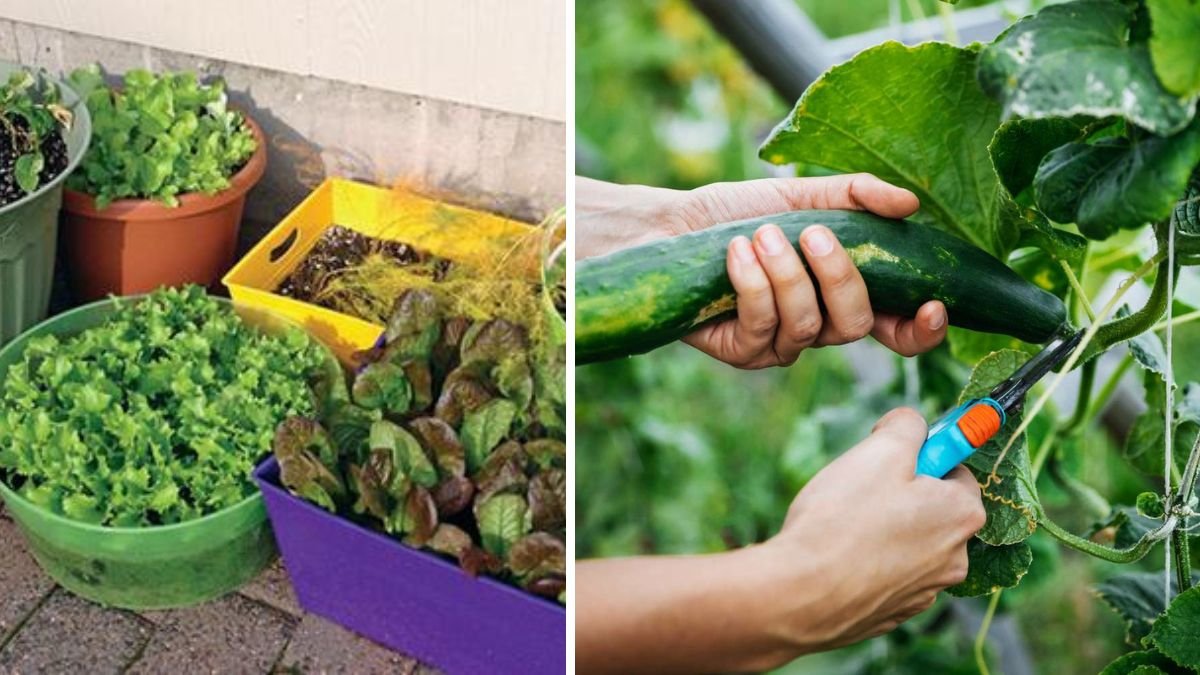
Growing your own food at home is one of the most satisfying ways to boost health, save money, and connect with nature. For beginners, starting a garden can seem intimidating, but the truth is, there are many delicious and extremely healthy, very easy to grow plants for beginners that require minimal effort while providing maximum benefits. With the right choices and a few simple tips, you can enjoy fresh produce all year round, even in small spaces like balconies, windowsills, or tiny backyard gardens.
In this guide, we’ll explore the best beginner-friendly plants, their health benefits, and practical advice on growing them successfully.
Why Grow Your Own Food?
Home gardening offers many benefits beyond simply having fresh vegetables on hand.
- Freshness and Nutrition: Homegrown produce is picked at peak ripeness, which means more nutrients and better flavor.
- Control Over Chemicals: You control what goes into your soil, reducing exposure to pesticides or harmful chemicals.
- Cost Savings: Growing at home is far cheaper than buying premium organic produce at the store.
- Stress Relief and Mental Health: Gardening is therapeutic and has been shown to reduce stress, boost mood, and even improve focus.
For beginners, starting with plants that are delicious and extremely healthy, very easy to grow ensures early success and keeps motivation high.
Leafy Greens: Quick, Nutritious, and Beginner-Friendly
Leafy greens are the perfect starting point for beginner gardeners. Spinach, lettuce, kale, and arugula are easy to grow, thrive in containers, and provide continuous harvests.
Benefits:
- Packed with vitamins A, C, K, and antioxidants
- Ready to harvest in as little as 25–30 days
- Perfect for salads, smoothies, soups, and sautéed dishes
Tips for Growing:
- Sow seeds directly into well-draining soil or containers
- Keep soil consistently moist
- Harvest outer leaves regularly to encourage new growth
By sowing seeds every two to three weeks, you can ensure a constant supply of fresh greens.
Tomatoes: Juicy, Nutrient-Rich, and Highly Rewarding
Tomatoes are a classic choice for beginner gardeners because they’re productive, flavorful, and versatile. Cherry, grape, and dwarf varieties are especially beginner-friendly.
Benefits:
- Rich in lycopene, a powerful antioxidant that supports heart health
- Delicious in salads, sauces, and cooking
- Produce high yields with minimal care when supported properly
Tips for Growing:
- Place in a sunny spot with at least 6 hours of light daily
- Use cages or trellises to support growing vines
- Water consistently, avoiding wetting leaves to reduce fungal problems
Even beginners can achieve satisfying results, enjoying sweet, homegrown tomatoes that taste far superior to store-bought varieties.
Chilies: Small Plants, Big Flavor
Chilies are ideal for beginners because they grow well in pots or garden beds, produce abundantly, and are packed with health benefits. Capsaicin, the compound that gives chilies their heat, can boost metabolism and improve circulation.
Tips for Growing:
- Plant in well-draining soil in a sunny location
- Water regularly but avoid overwatering
- Choose beginner-friendly varieties like jalapeños or small hot peppers
Fresh chilies can add flavor, spice, and nutrition to everyday meals. Their vibrant colors also make your garden visually appealing.
Herbs: Aromatic, Nutritious, and Easy to Grow
Herbs like basil, mint, coriander, parsley, and thyme are extremely forgiving and perfect for beginners. Many herbs thrive in small containers, making them suitable for balconies or windowsills.
Benefits:
- High in antioxidants and essential nutrients
- Enhance digestion and support immune health
- Add fresh flavor to a variety of dishes
Tips for Growing:
- Provide at least 4–6 hours of sunlight daily
- Trim regularly to encourage bushy growth
- Use well-draining soil to prevent root rot
Mint is particularly easy to grow but can spread aggressively, so pot cultivation is recommended.
Radishes: Fast-Growing Root Vegetables
Radishes are ideal for gardeners who want quick results. They germinate rapidly, usually within 3–4 days, and are ready to harvest in just 3–4 weeks.
Benefits:
- Low-calorie and rich in vitamin C
- Add crunch and flavor to salads and sandwiches
- Teach beginners about root crops without requiring much space
Tips for Growing:
- Sow in sunny spots or shallow containers
- Thin seedlings to avoid overcrowding
- Keep soil consistently moist for tender roots
Radishes are an excellent choice for first-time gardeners eager to see tangible results quickly.
Green Beans: Efficient and High-Yield
Green beans are productive, easy to maintain, and suitable for beginners. Bush beans require minimal support, while pole beans can climb trellises and provide a longer harvest.
Benefits:
- Rich in fiber, protein, and vitamins
- Improve soil fertility through nitrogen fixation
- Produce consistently throughout the season
Tips for Growing:
- Plant in sunny, well-drained soil
- Support climbing varieties with a trellis
- Harvest regularly to encourage more pods
Green beans are forgiving, and their quick growth gives beginners a sense of achievement.
Dwarf Citrus Trees: Container-Friendly Fruits
While fruit trees often seem intimidating, dwarf varieties like lemon and lime can thrive in containers. They’re perfect for small spaces, patios, and balconies.
Benefits:
- Rich in vitamin C
- Provide fragrant flowers and tasty fruit
- Can be grown indoors with adequate sunlight
Tips for Growing:
- Use large, well-draining pots
- Water regularly and fertilize with citrus-specific fertilizer
- Ensure at least 6–8 hours of sunlight per day
Even beginners can enjoy homegrown lemons for juice, cooking, and refreshing beverages.
Growing Tips for Beginners
To maximize your success with delicious and extremely healthy, very easy to grow plants for beginners, follow these general guidelines:
- Start Small: Begin with a few plants and expand as you gain confidence.
- Choose the Right Containers: Many vegetables and herbs grow well in pots, even on small balconies.
- Sunlight Is Essential: Most edible plants need at least 6 hours of sun daily.
- Water Consistently: Keep soil evenly moist but avoid overwatering.
- Observe and Learn: Gardening teaches patience and observation — enjoy the process as much as the harvest.
By following these tips, even novice gardeners can quickly experience the joy of a thriving home garden.
Authoritative Resources
For additional guidance and inspiration, these trusted sources provide detailed tips, planting calendars, and beginner-friendly advice:
- NDTV Health – 10 healthiest edible plants you can easily grow: Nutritional and growing advice for beginner gardeners. (ndtv.com)
- Old Farmer’s Almanac – Easy vegetables to grow at home: Expert-backed planting guidance. (almanac.com)
- Homegrown Garden – Easiest plants for beginners: Curated list of rewarding crops. (homegrown-garden.com)
- Gardening Know How – Superfoods you can grow: Insights into nutritious edible plants. (gardeningknowhow.com)
These resources will help you deepen your knowledge and optimize your garden for maximum success.
Conclusion
Home gardening doesn’t have to be complicated. By choosing plants that are delicious and extremely healthy, very easy to grow for beginners, anyone can enjoy fresh, nutritious produce with minimal effort. From leafy greens and herbs to fast-growing root crops and container-friendly fruits, there’s a plant for every beginner gardener.
Start small, follow the simple growing tips, and watch your garden thrive. With patience, care, and a little enthusiasm, you’ll soon enjoy the unmatched satisfaction of harvesting your own fresh, homegrown food. Gardening not only nourishes your body but also nurtures your mind, making it a hobby that truly keeps giving.