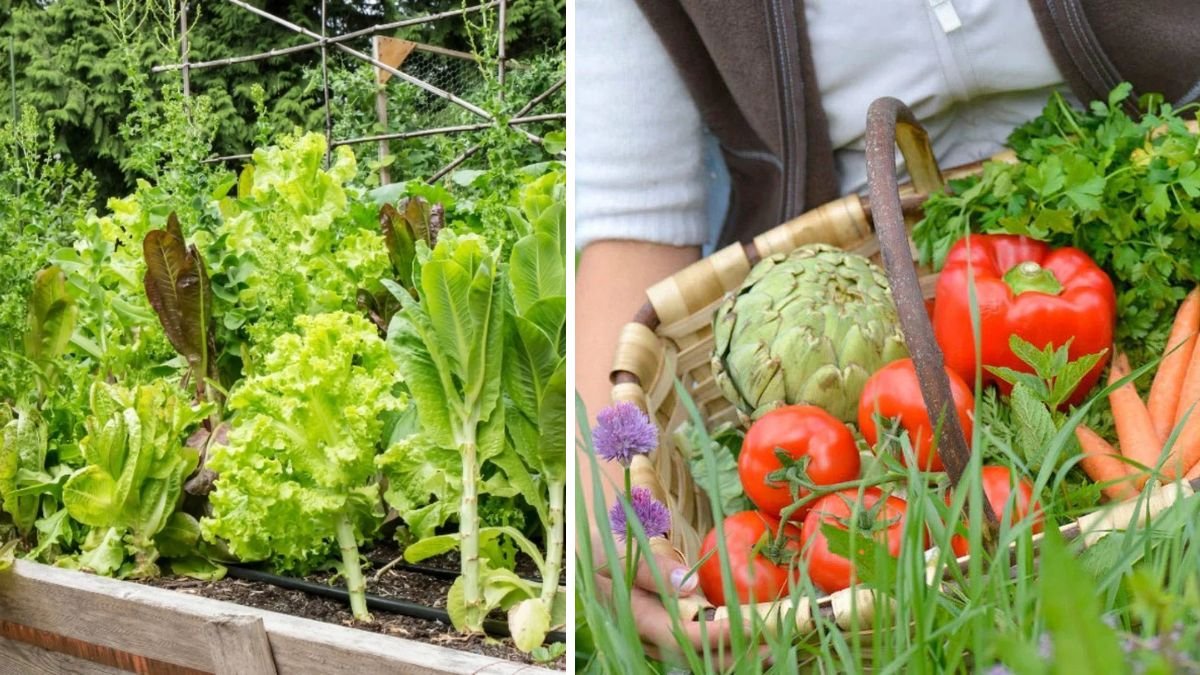
Introduction: No Backyard? No Problem
Gone are the days when a backyard was required to grow your own fresh vegetables. Modern home gardening is all about creativity, innovation, and space efficiency. The concept of a housewife’s dream vegetable garden has evolved to fit small apartments, urban homes, and spaces where traditional gardens simply aren’t possible. With simple techniques like container gardening, indoor sprouting, and vertical systems, anyone can grow vegetables right on their balcony, kitchen counter, or even a windowsill.
This trend has been gaining traction among urban dwellers, busy professionals, and beginner gardeners. It’s practical, sustainable, and perfectly aligns with today’s focus on fresh, homegrown produce — all without a traditional garden. [FOCUS KEYWORD]
Why This Trend Is So Popular
1. Space-Saving Solutions
Urbanization and smaller living spaces have pushed gardeners to rethink how vegetables are grown. Container gardens, hanging planters, and vertical growing systems allow fresh produce to thrive even when floor space is limited. For city dwellers, this means you can enjoy vegetables without access to a backyard or garden plot. (housedigest.com)
2. Quick Harvests
Many indoor vegetables grow much faster than traditional outdoor crops. Microgreens, sprouts, and green onions, for instance, can be harvested in just 7–14 days. This appeals to people who want fast results, especially those with busy schedules or small children eager to learn gardening basics. (gardening.alibaba.com)
3. Health and Sustainability
Growing vegetables at home improves both nutrition and sustainability. Microgreens, sprouts, and leafy greens are rich in vitamins, antioxidants, and minerals. By growing them at home, you reduce grocery trips, minimize food waste, and cut down on carbon emissions associated with store-bought produce. (carilionclinic.org)
Creative Ways to Grow Vegetables Without a Garden
Here’s how to turn limited space into a thriving vegetable garden.
1. Sprouts and Microgreens
Sprouting seeds is one of the easiest ways to grow vegetables indoors. Microgreens like broccoli, radish, and pea shoots are ready in as little as a week and require minimal equipment. All you need is a shallow tray, some seeds, water, and sunlight.
Benefits:
- Fast-growing and nutrient-dense
- Can be grown year-round
- Requires very little space or soil
2. Container Gardening
Containers and pots make growing vegetables possible anywhere. Tomatoes, chillies, basil, spinach, and lettuce thrive in pots, grow bags, or recycled containers. Balcony gardens and small terraces become productive with just a few well-chosen containers.
Tips:
- Use high-quality potting soil
- Ensure proper drainage
- Choose compact or dwarf vegetable varieties for limited space (moneycontrol.com)
3. Hanging and Vertical Planters
Vertical gardening is perfect for small apartments. Leafy vegetables and herbs grow well in hanging pots, wall-mounted planters, or vertical pockets. Not only does this save floor space, but it also adds aesthetic appeal to your home.
Benefits:
- Maximizes unused vertical space
- Adds greenery to your interiors
- Ideal for rental homes where floor gardens aren’t allowed (housedigest.com)
4. Hydroponics and Soil-Free Systems
For tech-savvy gardeners, hydroponics is an exciting option. Plants grow in nutrient-rich water solutions instead of soil. Countertop hydroponic kits make it easy to grow herbs, leafy greens, and even small fruiting vegetables indoors with minimal effort.
Best crops for beginners:
- Lettuce and spinach
- Herbs like mint, basil, and parsley
- Small tomatoes and peppers (homegrown-garden.com)
Step-by-Step Guide to Starting Your No-Garden Vegetable Garden
Even beginners can start a productive garden at home using these simple steps:
- Select a location: A bright windowsill, balcony, or countertop works best.
- Choose your crops: Start with easy-to-grow vegetables like spinach, lettuce, microgreens, herbs, or sprouted onions.
- Pick containers: Pots, grow bags, trays, or hanging baskets. Ensure proper drainage.
- Use quality growing medium: High-quality potting soil or hydroponic nutrient solutions.
- Provide light: Use sunlight or LED grow lights for areas with low natural light.
- Water carefully: Check moisture before watering; avoid overwatering.
- Harvest regularly: Quick-growing crops like microgreens and sprouts are ready in days; herbs and leafy greens can be harvested continuously.
Practical Tips for Beginners
- Start small: Don’t overwhelm yourself with too many plants. Begin with a few easy crops.
- Monitor conditions: Temperature, sunlight, and water levels affect indoor growth.
- Rotate crops: Change what you grow seasonally to maximize yields.
- Use organic fertilizers: Liquid compost or organic nutrient solutions keep plants healthy.
Real-Life Inspiration
This trend isn’t just theory — urban gardeners worldwide are thriving without traditional garden plots. In Mumbai, rooftops and balconies have become productive vegetable gardens. Events like Potato Day encourage people to grow root vegetables in containers and bags, demonstrating that gardening is possible even in small urban spaces. (wilmslowswaybetter.co.uk)
From New York to London, apartment dwellers are creating productive indoor gardens with minimal space, inspiring others to try the housewife’s dream vegetable garden approach. (timesofindia.indiatimes.com)
Suggested Authoritative Sources
- Microgreens How-To – Carilion Clinic: Expert guidance on indoor sprouts and microgreens (carilionclinic.org)
- Hanging Leafy Vegetables – House Digest: Indoor gardening tips for small spaces (housedigest.com)
- Container Gardening – Homegrown Garden: Ideas for soil-free and container gardening (homegrown-garden.com)
- Urban Gardening in Mumbai – Times of India: How city dwellers adapt gardening to small spaces (timesofindia.indiatimes.com)
Conclusion: Your Dream Garden Is Within Reach
A housewife’s dream vegetable garden is no longer limited to those with large backyards. With containers, vertical systems, hydroponics, and microgreens, fresh, homegrown vegetables are achievable anywhere. Urban dwellers, beginners, and busy families can all enjoy the benefits of homegrown produce — healthier meals, reduced waste, and a sense of satisfaction.
Start small, experiment, and watch your indoor garden flourish. With creativity, care, and a little patience, your no-garden vegetable garden can become a reality today. [FOCUS KEYWORD]