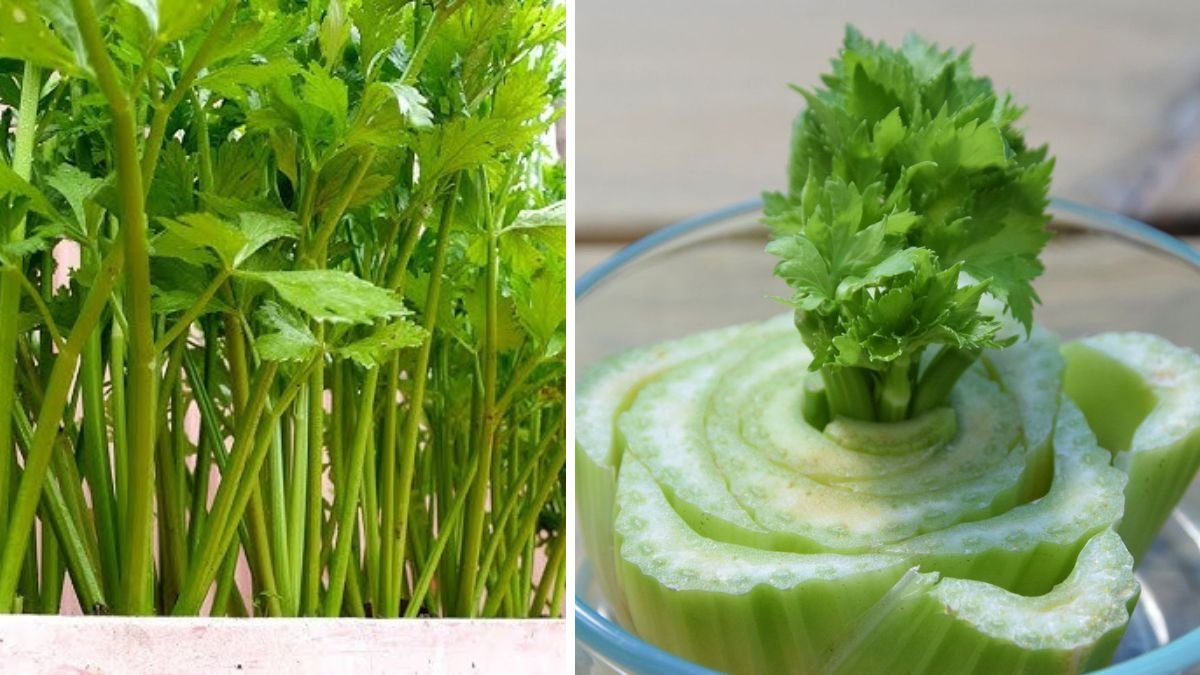
Introduction
Celery is a versatile vegetable used worldwide in salads, soups, stews, juices, and stir-fries. Traditionally, celery has been considered a cool-season crop, thriving best in moderate temperatures. However, recent advances in gardening techniques and the development of heat-tolerant varieties have made it possible to grow celery all year round at home, even in warmer climates.
Homegrown celery not only provides fresh, crisp stalks and aromatic leaves but also ensures you have a continuous supply of this nutritious vegetable for daily cooking. With proper planning, container gardening, and heat management, celery can thrive even in summer months, making it a reliable crop for urban terraces, kitchen gardens, and backyard plots.
Why Grow Celery at Home
Growing celery at home has several key advantages:
1. Fresh and Nutritious
Celery is low in calories but packed with vitamins, minerals, and antioxidants. Homegrown celery retains flavor, crispness, and nutrients that are often lost in store-bought produce. You can also harvest leaves for seasoning and stalks for salads, soups, and juices. (spice.alibaba.com)
2. Cost-Effective and Sustainable
Purchasing fresh celery regularly can be expensive. By growing your own, you reduce grocery bills and gain control over your food sources. Celery can also be grown sustainably using compost, organic fertilizers, and recycled containers.
3. Year-Round Availability
With the right variety selection and proper care, celery can be harvested throughout the year. You don’t need to wait for the “celery season” to enjoy fresh stalks, making it a reliable addition to your kitchen garden. (almanac.com)
4. Heat-Resistant Varieties
Some celery varieties, such as Chinese White and Tango, are naturally more resilient to heat. By using shading, mulching, and consistent irrigation, these varieties can withstand warmer temperatures, enabling gardeners to grow celery year-round even in subtropical or tropical regions. (hgtv.com)
Selecting the Right Celery Variety
Celery comes in different types, each suited to specific uses and climates:
| Type | Features | Best Uses |
|---|---|---|
| Stalk Celery | Thick, crunchy stalks | Salads, soups, snacks |
| Chinese Celery | Thin, aromatic stalks | Stir-fries, cooking, seasoning |
| Celery Seeds | Tiny seeds with strong aroma | Pickling, seasoning |
Heirloom and heat-tolerant varieties like Chinese White or Tango are ideal for year-round cultivation, providing flavor and resilience against temperature fluctuations. (theseedcollection.com.au)
Step-by-Step Guide to Growing Celery All Year Round
Celery has a relatively long growing season, and careful planning is required for successful year-round cultivation. Here’s a step-by-step guide:
1. Starting with Quality Seedlings
Begin by planting seeds indoors 8–10 weeks before transplanting. Seedlings thrive at temperatures around 15°C (59°F) and require good light for healthy growth. Purchasing healthy seedlings from nurseries can also give you a head start. (rhs.org.uk)
2. Soil Preparation
Celery requires rich, well-draining soil with consistent moisture. Mix garden soil with compost or well-rotted manure to improve fertility. Mulch the base of plants to retain moisture and regulate soil temperature, particularly during hotter months. (theseedcollection.com.au)
3. Transplanting
Once seedlings are 6–8 inches tall, transplant them to containers or garden beds spaced 6–8 inches apart. Bury part of the stem to encourage strong root development.
4. Protecting from Heat
Even heat-tolerant celery benefits from partial shading during peak midday sun. Use shade cloth or strategically place taller companion plants to reduce heat stress. This prevents bolting (premature flowering) and ensures tender stalks. (lowimpact.org)
5. Watering
Celery has shallow roots and requires consistent moisture. Keep soil evenly moist without waterlogging. Drip irrigation or self-watering containers can simplify maintenance. (theseedcollection.com.au)
6. Fertilization
Feed celery with organic fertilizer or compost every 2–3 weeks to encourage lush growth and prevent bitterness.
7. Harvesting
Celery can be harvested as needed. Cut outer stalks first to allow inner stalks to continue growing, or harvest the entire plant when mature. Leaves can also be used as seasoning in soups and stir-fries. (almanac.com)
Tips for Flavorful, Tender Celery
- Mulching: Keeps soil cool and moist, reduces water loss, and minimizes stress during hot weather.
- Blanching: Cover lower stalks to exclude sunlight for sweeter, tender stalks.
- Consistent Watering: Avoid dry soil, which makes stalks tough and stringy.
- Heat Protection: Provide partial shade during the hottest part of the day in tropical regions.
These practices ensure year-round growth while maintaining flavor and texture.
Creative Celery Gardening Strategies
1. Container Gardening
Large pots with good drainage allow celery to grow on terraces, balconies, or patios. Containers offer precise control over soil, moisture, and temperature.
2. Companion Planting
Celery grows well alongside leafy greens and herbs, creating a microclimate that retains moisture and provides shade to reduce heat stress.
3. Succession Planting
Plant new seedlings every few months to maintain a continuous harvest. This method ensures you always have celery available without interruption.
Nutritional and Culinary Benefits
Celery is rich in vitamins A, C, K, and minerals like potassium and folate. It is often included in health-conscious diets and juicing routines. Fresh, homegrown celery provides superior flavor compared to store-bought varieties.
- Stalks: Crisp and refreshing, ideal for salads, juices, and soups.
- Leaves: Highly aromatic, suitable for cooking, stocks, and garnishes. (healthshots.com)
Its versatility in both raw and cooked dishes makes celery a staple in home kitchens worldwide.
Authoritative Sources
- HGTV: How to Grow Celery — Practical tips on heat-tolerant varieties and year-round care. (hgtv.com)
- Royal Horticultural Society (RHS) Celery Guide — Expert guidance for sowing, transplanting, and care. (rhs.org.uk)
- The Seed Collection: Tips for Juicy Celery — Insights on mulching, irrigation, and flavor optimization. (theseedcollection.com.au)
- Old Farmer’s Almanac: Celery Growing — Seasonal care, planting schedules, and harvesting advice. (almanac.com)
Conclusion
With proper variety selection, consistent care, and heat management techniques, celery can be grown year-round, even in warm climates. By using container gardening, mulch, partial shade, and succession planting, gardeners can enjoy fresh, crisp, and flavorful celery whenever they need it.
Growing celery at home is not only cost-effective and sustainable but also ensures a steady supply of a nutritious and versatile vegetable for cooking, juicing, and garnishing. Heat-resistant, delicious, and easy to maintain, celery is a must-have crop for any home garden aiming for continuous productivity and freshness.