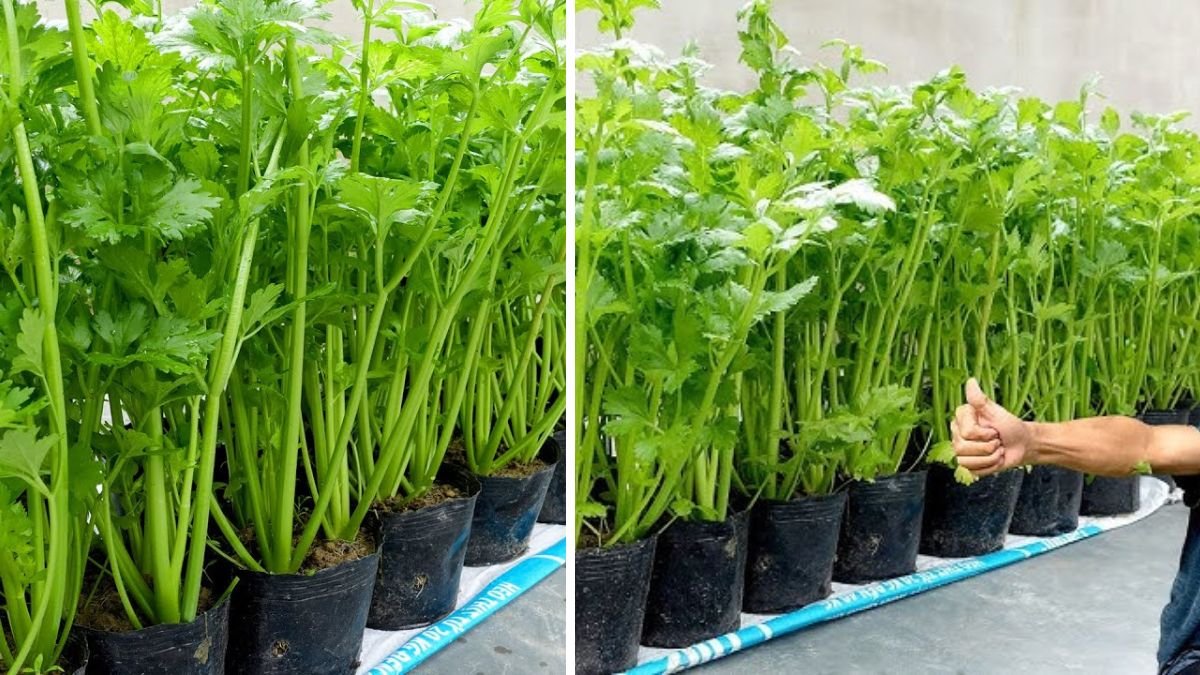
Introduction: Fresh Celery at Home — No Garden Needed
Imagine harvesting crisp celery right from your kitchen counter or windowsill — no backyard garden required. Thanks to innovative home gardening methods, growing celery at home has become surprisingly easy. From container gardening to regrowing celery from kitchen scraps, modern growers are finding ways to enjoy fresh, nutrient-rich vegetables without relying on outdoor garden space.
This approach isn’t just convenient — it’s part of a growing trend toward sustainable, zero-waste gardening. By turning kitchen scraps into thriving plants, you not only save money but also reduce food waste. Surprisingly, celery is one of the easiest vegetables to grow indoors, making it perfect for urban dwellers and apartment gardeners alike. (thecooldown.com)
Why Celery Is Perfect for Home Gardening
Celery (Apium graveolens) is a cool-season vegetable known for its crisp stalks, mild flavor, and versatility in cooking. While it traditionally grows in garden beds, celery adapts well to containers, indoor setups, and small spaces.
Homegrown celery often surpasses store-bought varieties in both taste and texture. Indoor celery benefits from consistent watering and careful care, resulting in tender, flavorful stalks. Additionally, growing celery at home allows full control over fertilizers and pesticides, ensuring healthier, chemical-free produce. (createwithjennifer.com)
Celery is also an educational and rewarding plant. Watching it sprout from a kitchen scrap or grow from seed provides hands-on learning and encourages a deeper appreciation for fresh food.
Methods for Growing Celery at Home Without a Garden
1. Regrow Celery from Kitchen Scraps
One of the simplest and most popular methods is regrowing celery from a store-bought bunch:
- Cut the base of a celery bunch, about 2 inches from the root end.
- Place the base in a shallow bowl or jar with water, ensuring the roots remain submerged.
- Place the container on a sunny windowsill.
- Within a few days, new roots and leaves will begin to sprout.
- Once roots are established, transfer the celery to a soil-filled container for continued growth.
This method is perfect for apartments, zero-waste enthusiasts, and beginners. It allows gardeners to enjoy fresh celery without buying seeds or soil initially, and the plant can continue producing stalks for months. (allrecipes.com)
2. Container Gardening
For a more traditional approach, celery can be grown entirely in containers:
- Choose a container at least 12 inches deep with drainage holes.
- Fill the container with nutrient-rich, moisture-retentive potting mix, ideally mixed with compost.
- Place the container where it receives 6–8 hours of light per day, either from a sunny window or supplemental grow lights.
- Keep the soil consistently moist, as celery requires steady hydration to grow tender stalks.
Container gardening allows celery cultivation in kitchens, balconies, or small indoor spaces. This method also makes it easier to control temperature and watering, reducing the risk of pests and disease. (createwithjennifer.com)
3. Indoor Hydroponics (Optional)
For advanced growers, hydroponic systems can produce celery without soil. By providing water and nutrients directly to the roots, hydroponics allows year-round cultivation. Indoor hydroponics is particularly useful for those with limited light or space, enabling optimal growth in a compact setup.
While not necessary for casual gardeners, hydroponics demonstrates the flexibility of celery cultivation in modern urban environments. (hgtv.com)
Starting Celery From Seed
If you prefer to grow celery from scratch:
- Sow seeds indoors 8–12 weeks before you want a harvest.
- Use a seed tray or small pots filled with moist, light soil.
- Keep seeds in a warm, bright environment for germination.
- When seedlings reach 4–6 inches, transplant them to a larger container or soil-filled pot.
Seeds may take 2–3 weeks to sprout, but once established, they grow steadily with consistent care. Celery grown from seed tends to produce larger, more uniform stalks compared to regrowing from scraps.
Caring for Celery Plants
Celery requires consistent care to thrive indoors:
- Light: Provide at least 6–8 hours of indirect sunlight daily.
- Temperature: Maintain indoor temperatures between 65–75°F (18–24°C) for optimal growth.
- Watering: Keep the soil evenly moist; dry soil results in stringy, tough stalks.
- Fertilization: Use a balanced liquid fertilizer or compost every 2–3 weeks to promote healthy growth.
- Pests: Indoor celery is generally pest-free, but occasional aphids may appear. Organic sprays or neem oil can control infestations.
By adhering to these care guidelines, indoor celery can produce fresh stalks continuously for several months.
Harvesting Your Homegrown Celery
Celery can be harvested in two ways:
- Partial Harvest: Snip outer stalks as needed, allowing the plant to continue growing.
- Full Harvest: Cut the plant at the base when stalks are fully mature.
Homegrown celery lasts 1–2 weeks in the fridge when wrapped in damp paper towels. This ensures fresh, crunchy stalks for salads, soups, and snacks. Regrown celery from scraps may take longer to develop full stalks, but it continues producing for months with proper care.
Benefits of Growing Celery at Home
Growing celery indoors without a garden offers numerous advantages:
- ✅ No outdoor space required – perfect for apartments and small homes.
- ✅ Zero-waste gardening – regrow from kitchen scraps instead of discarding leftovers.
- ✅ Fresh and flavorful produce – homegrown celery is often crisper and tastier than store-bought.
- ✅ Full control over water and nutrients – avoid harmful chemicals and pesticides.
- ✅ Year-round growing potential – indoor light or hydroponics enable constant harvests.
Celery cultivation indoors is an excellent entry point for new gardeners, especially those seeking sustainable, low-maintenance options.
Authoritative Sources to Reference
- Allrecipes – Regrow Celery from Scraps: Step-by-step guide for beginners. (allrecipes.com)
- CreateWithJennifer – Growing Celery at Home: Practical container gardening tips. (createwithjennifer.com)
- Gardening in Restricted Spaces (Wikipedia): Overview of indoor and container gardening. (en.wikipedia.org)
- The Cooldown – Regrow Celery Hack: Popular zero-waste regrowing technique. (thecooldown.com)
These sources provide both practical advice and inspiration for home gardeners interested in celery and other indoor crops.
Conclusion
You don’t need a garden to enjoy fresh, crisp celery — indoor gardening and zero-waste regrowing methods make it surprisingly easy. Whether you’re using kitchen scraps, container pots, or even hydroponics, celery adapts well to small indoor spaces and delivers a continuous supply of nutrient-rich stalks.
By following simple care routines, providing adequate light, and keeping soil consistently moist, even beginners can successfully grow celery at home. This approach not only saves money and reduces waste but also ensures you have healthy, flavorful vegetables at your fingertips year-round. 🌿
Start small, choose your method, and watch your celery thrive — a surprising and satisfying addition to any home garden, big or small.