Introduction
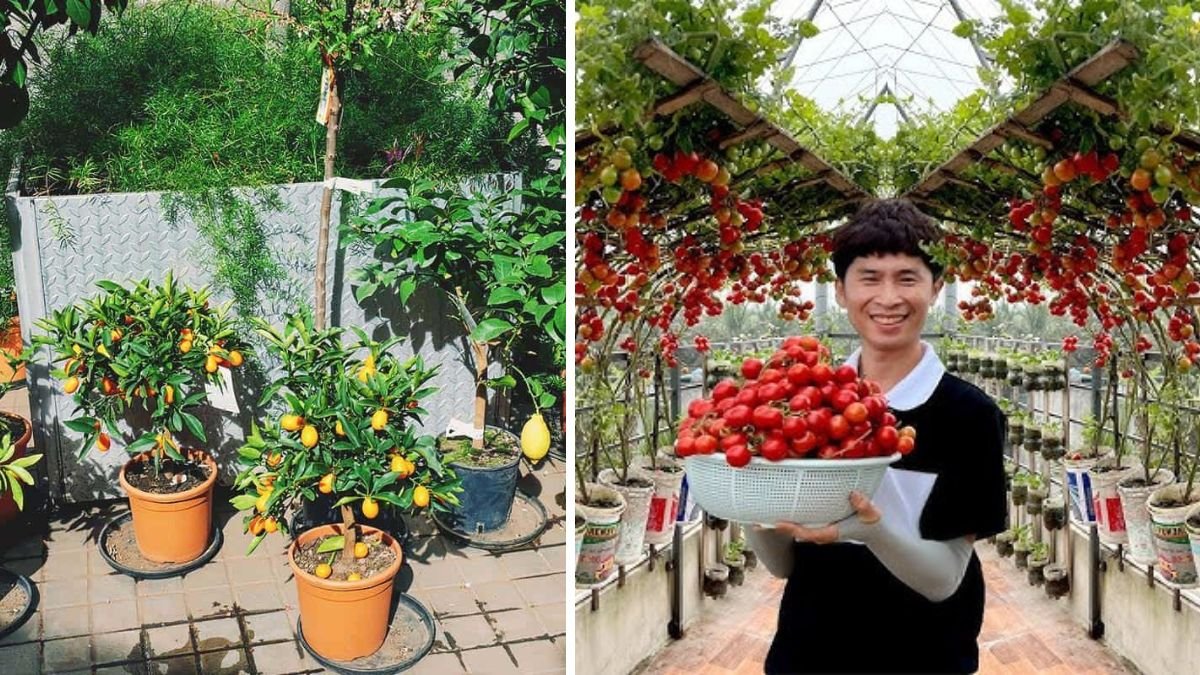
Many people assume that growing fruit requires a backyard or orchard, but modern gardening proves otherwise. You don’t need a traditional garden to enjoy lush, productive fruit plants. From balconies and patios to terraces and windowsills, it’s possible to cultivate beautiful, fruit-bearing plants in small spaces.
This guide explores beginner-friendly methods, container and dwarf plant options, and creative growing techniques to help anyone enjoy abundant fruit at home. You’ll learn which plants to choose, how to care for them, and ways to maximize both beauty and yield in compact spaces.
Why Garden-Free Fruit Gardening Is Trending
Urbanization, limited outdoor space, and interest in sustainable living have driven the rise of garden-free fruit growing. Homegrown fruit offers fresh, chemical-free produce, visual appeal, and a rewarding hands-on hobby.
Recent articles highlight small-space techniques, including container gardening, dwarf varieties, vertical trellises, and espalier training, allowing city dwellers to create lush fruit gardens without soil beds. Modern horticultural trends focus on combining productivity with aesthetic appeal, giving urban homes both greenery and high-yield harvests. (Times of India)
These innovations have made growing fruit in apartments and on terraces a feasible and popular option.
Choosing the Right Fruit Plants
The first step to a successful garden-free fruit setup is selecting plants that thrive in small spaces. Dwarf varieties and compact plants offer high yields without taking up much room, while visually striking flowers and foliage make your space inviting.
Beginner-Friendly Options
- Dwarf Citrus (Lemon, Orange, Lime): Perfect for pots and balconies. Produces fragrant blossoms and flavorful fruit.
- Strawberries: Excellent for hanging baskets and railing planters. Bright flowers and red berries are decorative and tasty.
- Dwarf Guava: Compact, ornamental, and rich in fruit. Requires sunlight and compost-rich soil for optimal growth.
- Blueberries and Raspberries: Colorful, compact bushes that thrive in containers. Blueberries require acidic soil; raspberries prefer slightly larger pots.
- Dwarf Papaya: Surprisingly compact; starts fruiting quickly with enough sun and water, adding a tropical touch.
- Columnar Apples and Patio Peaches: Upright trees designed for small spaces that still produce full-sized fruit.
- Grapevines: Train them on trellises or walls for beautiful foliage and clusters of fruit.
These selections combine visual beauty with high productivity, making them ideal for garden-free spaces. (Economic Times)
Espalier and Vertical Growing Techniques
Espalier, a centuries-old horticultural practice, is gaining popularity in urban gardening. By training trees flat against walls or supports, you can:
- Maximize sunlight exposure
- Increase fruit yield per square foot
- Add architectural beauty to small spaces
Espalier works with apples, pears, cherries, and figs, creating elegant, productive displays in narrow spaces. Combined with vertical trellises and hanging baskets, this technique allows gardeners to grow more fruit in less space while enhancing the visual appeal of their terrace or balcony. (AP News)
Choosing the Best Location
Fruit plants need sunlight, water, and good soil to thrive. Most require at least 5–6 hours of direct sunlight per day. South- or west-facing balconies are ideal, but mobile containers allow you to follow the sun throughout the day.
Good drainage is essential. Ensure containers have multiple holes and use nutrient-rich potting mix or compost-amended soil. Even in limited space, proper light, soil, and watering make a big difference in fruit production. (Greenarium Landscapes)
Step-by-Step Care for Abundant Fruit
Planting
Start with seeds or seedlings, depending on your plant. Fast-growing plants like strawberries and blueberries can begin from seedlings for quicker results, while dwarf citrus and papaya grow well from young transplants.
Watering
Keep soil consistently moist but avoid waterlogging. Container plants dry faster than garden soil, so regular checking is crucial.
Feeding
Use compost or balanced fertilizer every few weeks. This supports flowering and fruit development.
Pruning and Shaping
Trim excess growth to maintain plant shape, encourage new fruiting branches, and improve air circulation.
Supporting Climbers
Use trellises or stakes for grapes, espaliered trees, and other climbing fruits. Proper support maximizes growth potential and keeps fruits off the ground.
Pollination
Many balcony fruit plants benefit from natural pollinators or light hand pollination. Attract bees with nearby flowers or gently shake flowers to encourage fruit set.
Seasonal Considerations
Timing is key for optimal harvest:
- Spring/Summer: Strawberries, blueberries, raspberries, beans, and cucumbers
- Summer/Fall: Citrus, papaya, dwarf peaches, and cherries
- Autumn/Winter: Indoor citrus, hardy berries, and leafy companion plants
Even without a garden, seasonal planning ensures consistent production and reduces crop failure risk. (Compo)
Small-Space Solutions
Even urban dwellers with no backyard can create productive fruit gardens:
- Stacked planters for berries or small fruit shrubs
- Hanging baskets for strawberries and flowers
- Windowsill pots with supplemental grow lights
- Mobile containers for sun-tracking or climate adjustments
With these strategies, you can transform any balcony, terrace, or indoor area into a fruit-producing oasis. (Times of India)
Aesthetic Appeal
Fruit plants aren’t just productive—they’re decorative. Vibrant blossoms, colorful foliage, and hanging fruit create a lush, inviting space. Many gardeners use fruit plants as living décor, making small urban terraces feel like miniature orchards.
Choosing plants like dwarf citrus, strawberries, blueberries, and espaliered apple trees ensures a beautiful visual display while maximizing harvests.
Authoritative Sources
- Times of India – 10 Fruit-Bearing Plants for Balconies/Terraces (link)
- Economic Times – Easy Balcony Fruits (link)
- Garden Tabs – Balcony Fruit Varieties (link)
- Greenarium Landscapes – Balcony Gardening Guide (link)
- AP News – Espalier Techniques (link)
Conclusion
You don’t need a garden to enjoy beautiful, fruit-bearing plants. By selecting dwarf varieties, utilizing containers and vertical spaces, and employing techniques like espalier, even small balconies or terraces can become lush, productive fruit gardens.
With proper sunlight, soil, and consistent care, urban gardeners can enjoy vibrant foliage, fragrant blossoms, and bountiful harvests year-round. Modern small-space gardening proves that beauty and abundance can coexist, even in the tiniest home environments.
Whether it’s citrus, strawberries, berries, or espaliered apples, the rewards of homegrown fruit are well within reach — no traditional garden required.