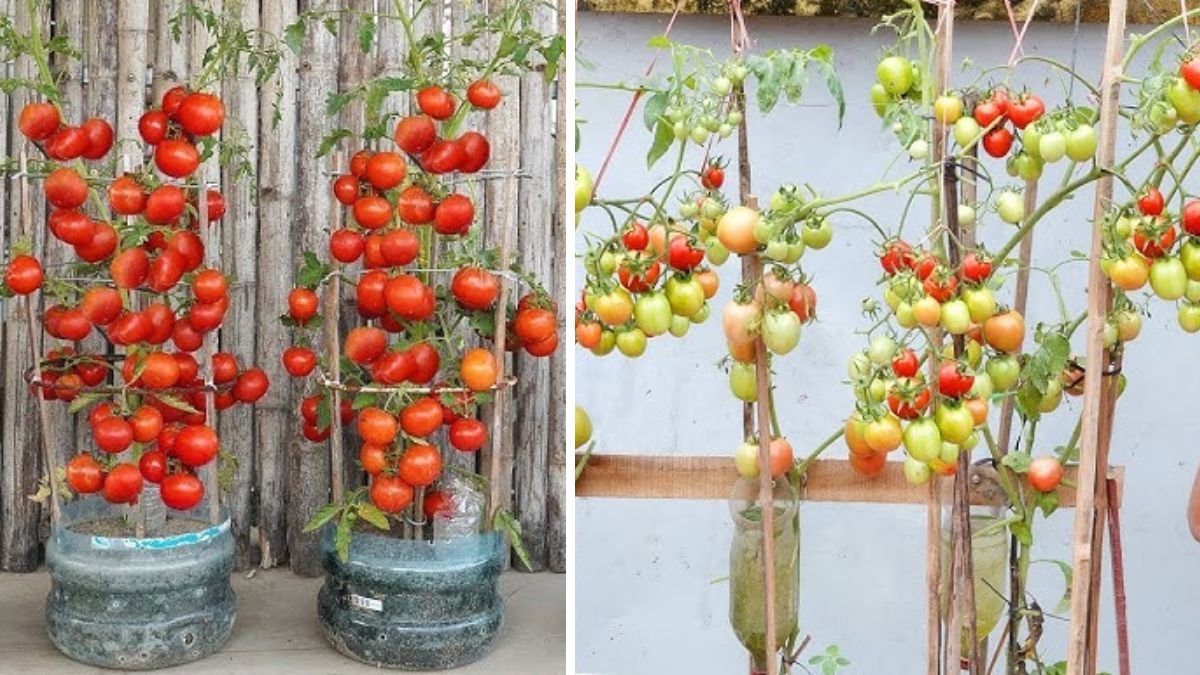
Tomatoes are one of the most popular vegetables worldwide, loved for their taste, nutrition, and versatility in cooking. For many people, the idea of growing tomatoes seems tied to having a backyard garden. However, with the right techniques, you can achieve a high yield of tomatoes at home without needing a traditional garden. By using containers, balcony spaces, or even indoor setups, it’s possible to produce juicy, flavorful tomatoes right at home. This beginner-friendly guide shows you how to grow tomatoes successfully using the [FOCUS KEYWORD] approach.
Why Grow Tomatoes at Home?
Growing tomatoes at home offers multiple benefits. Fresh homegrown tomatoes are far superior in flavor and nutrition compared to store-bought varieties. They are rich in antioxidants like lycopene, which supports heart health, and they can be harvested at peak ripeness, ensuring the best taste and quality. Additionally, cultivating tomatoes indoors or on a balcony is a satisfying hobby that doesn’t require a garden plot. Using [FOCUS KEYWORD], you can maximize yield even in small spaces, turning a windowsill or balcony into a productive tomato haven. (almanac.com)
Step 1: Choosing the Right Tomato Variety
Selecting the right variety is crucial when space is limited:
- Determinate (bush) varieties: These stop growing at a certain height, making them ideal for containers.
- Indeterminate varieties: Continue growing and producing fruit throughout the season. These work well if you have vertical support.
- Cherry or patio tomatoes: Compact, high-yielding, and perfect for small spaces.
Popular beginner-friendly container varieties include Sungold (cherry tomato), Tiny Tim, and Patio Princess. These varieties are known for heavy yields, compact size, and adaptability to container gardening. (agrifarming.in)
Step 2: Starting Seeds or Using Seedlings
Tomatoes can be grown from seeds or purchased seedlings. Both methods are suitable for home growers:
- Seeds: Plant about half an inch deep in seed trays or small pots. Maintain consistent warmth and moisture. Germination usually occurs in 7–14 days.
- Seedlings: Choose healthy seedlings with 4–6 true leaves. Transplant carefully, ideally in the evening or under partial shade to reduce shock.
Healthy seedlings are crucial for high yield, as strong plants flower more profusely and set fruit more reliably. (almanac.com)
Step 3: Choosing Containers and Location
Even without a garden, you can grow tomatoes successfully using containers. Key points:
- Container size: Minimum 5 gallons (≈18–20 liters) per plant to allow proper root development.
- Drainage: Ensure pots have adequate drainage holes to prevent waterlogging and root rot.
- Location: Place containers in a spot receiving at least 6–8 hours of direct sunlight daily. South-facing balconies or windowsills are ideal. (agrifarming.in)
Light-colored containers help prevent overheating in sunny areas. Proper container choice ensures roots have enough space for growth, directly affecting fruit yield.
Step 4: Soil Preparation
Tomatoes are heavy feeders and thrive in nutrient-rich, well-drained soil:
- Potting mix: Use a high-quality mix with garden soil, compost, and perlite or cocopeat for drainage.
- pH: Slightly acidic to neutral soil (pH 6.0–7.0) is ideal.
- Organic matter: Enrich soil with compost or vermicompost to improve fertility and water retention. (seedy.farm)
Proper soil preparation is the foundation of a healthy plant and high yield, ensuring sufficient nutrients are available throughout the growing season.
Step 5: Sunlight and Lighting Needs
Tomatoes require abundant sunlight for healthy growth and fruit production:
- Direct sun: 6–8 hours daily is ideal.
- Indoor lighting: Use grow lights if natural sunlight is limited. LED or fluorescent grow lights can supplement indoor growing and promote flowering. (almanac.com)
Adequate light encourages robust flowering, which directly impacts fruit yield. Insufficient light can lead to weak plants, fewer flowers, and smaller fruits.
Step 6: Watering and Moisture Management
Consistent watering is critical for high-yield tomato plants:
- Water deeply at the base to encourage strong root growth.
- Keep soil evenly moist — avoid letting it dry out completely or become soggy.
- Mulch the soil surface with straw or leaf mold to retain moisture and moderate temperature. (homesandgardens.com)
Uneven watering can cause blossom end rot and flower drop, reducing overall harvest. A steady watering routine ensures the plant focuses on fruit development rather than survival.
Step 7: Fertilizing for High Yield
Tomatoes need regular feeding for maximum fruit production:
- Compost or vermicompost: Apply every 2–3 weeks.
- Balanced fertilizers: Use an organic mix or compost tea to provide essential nutrients.
- Avoid excess nitrogen: Too much nitrogen promotes leaf growth at the expense of fruiting. (blog.agribegri.com)
Regular, balanced feeding ensures lush foliage and plentiful fruit, helping the plant achieve its maximum potential.
Step 8: Support and Pruning
Supporting your tomato plants helps prevent disease and increases yield:
- Use stakes, cages, or trellises to keep plants upright.
- Prune side shoots on indeterminate varieties to direct energy toward fruit production. (gardeningknowhow.com)
Proper support and pruning improve air circulation, reduce disease, and allow the plant to focus energy on flowering and fruit set.
Step 9: Space-Saving Techniques for No-Garden Setups
Even in tiny spaces, there are ways to grow tomatoes effectively:
- Vertical gardening: Use trellises or hanging systems to save floor space and expose more foliage to sunlight. (youtube.com)
- Upside-down planters: Tomatoes grow downward, reducing the need for staking and minimizing soil-borne pest issues. (backyardboss.net)
- Balcony or indoor setups: Dwarf varieties work well on patios or near bright windows. (reddit.com)
These innovative setups allow home growers to produce high yields without any traditional garden space.
Step 10: Harvesting Tomatoes
Tomatoes typically mature 60–90 days after transplanting:
- Harvest when fruits are firm and fully colored.
- Use clean shears to remove fruits with stems intact.
- Regular harvesting encourages continuous fruit production. (gardeningknowhow.com)
Consistent harvesting not only ensures peak flavor but also stimulates the plant to produce more flowers and fruit throughout the season.
Common Mistakes to Avoid
- Overwatering or underwatering.
- Overfertilizing nitrogen, reducing fruit set.
- Crowding plants, limiting airflow and light.
- Failing to prune or provide support.
- Irregular harvesting, which slows further fruiting.
Avoiding these mistakes is often the simplest way to improve yield and maintain healthy tomato plants.
Authoritative Sources for Further Reading
- The Old Farmer’s Almanac – 10 Secrets for Growing Tomatoes
- Agri Farming – Growing Tomatoes in Containers at Home
- Gardening Know How – How to Increase Tomato Yields
- Backyard Boss – Grow Tomatoes Without a Garden
Final Thoughts
Growing tomatoes at home for a high yield without a garden is entirely achievable with the right techniques. By selecting suitable varieties, using proper containers and soil, providing sunlight, consistent watering, and following [FOCUS KEYWORD] strategies, you can produce a bountiful harvest even in limited spaces. Whether on a balcony, indoors with grow lights, or using creative vertical systems, fresh, juicy tomatoes are within reach for every home gardener.