Introduction
If you’ve ever bought Malabar Spinach from the supermarket, you might have wondered: Can I grow this at home instead of just eating it? The good news is yes — you can regrow Malabar Spinach from supermarket stalks or seeds and enjoy a continuous supply of fresh, leafy greens.
Malabar Spinach (Basella alba) is a tropical, climbing leafy green that thrives in warm weather. Unlike traditional spinach, which often struggles in summer heat, Malabar Spinach grows vigorously, making it ideal for home gardens, balconies, and container setups. With the right techniques, even beginners can grow it successfully using [FOCUS KEYWORD] to maximize results.
This guide provides practical methods, care tips, and expert insights for growing Malabar Spinach from supermarket stalks, seeds, or cuttings.
What Is Malabar Spinach?
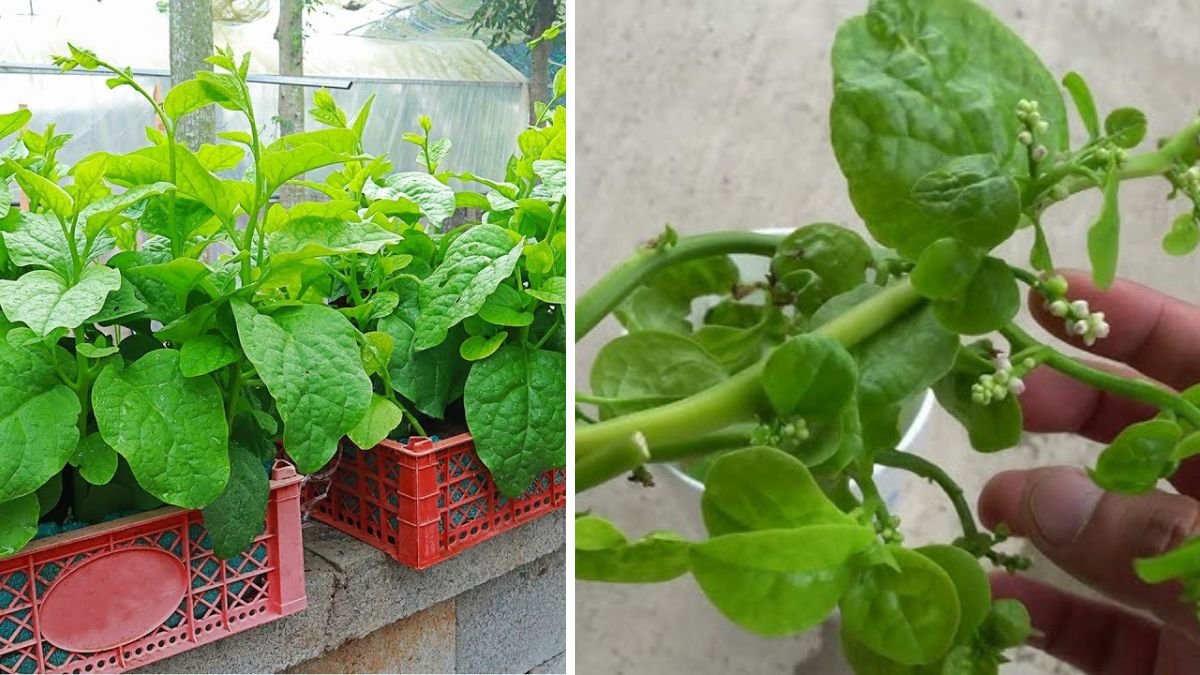
Malabar Spinach, also called Ceylon spinach or Indian spinach, is not a true spinach but a nutrient-rich, fast-growing leafy green vine. Native to India and Southeast Asia, it thrives in warm, humid climates and can grow up to 10 meters long if supported properly.
Its leaves are tender, glossy, and slightly mucilaginous, making them perfect for soups, stir-fries, salads, and smoothies. Malabar Spinach is rich in vitamins A, C, iron, and antioxidants, making it a healthy addition to any diet.
Unlike regular spinach, which prefers cooler weather, Malabar Spinach is heat-tolerant and flourishes in summer, providing a continuous harvest when cared for properly.
Why Grow Malabar Spinach at Home?
Growing your own Malabar Spinach offers several advantages:
- Heat-tolerant: Can grow in hot climates where regular spinach fails.
- Continuous harvest: Pick leaves regularly for a steady supply.
- Space-efficient: Ideal for vertical gardening on trellises or poles.
- Easy propagation: Grow from seeds, cuttings, or even supermarket stalks.
- Nutritious: Packed with vitamins, minerals, and fiber.
Whether you have a backyard, balcony, or container garden, Malabar Spinach is a versatile plant that adds greenery and nutrition to your home.
Can You Grow Malabar Spinach from Supermarket Stalks?
Yes! Regrowing Malabar Spinach from supermarket stalks is similar to propagating lettuce or celery from kitchen scraps. If the stalks still have nodes or some leaves attached, they can develop roots and new shoots under the right conditions.
This method is beginner-friendly and requires minimal investment — you can transform a grocery purchase into a thriving garden plant using [FOCUS KEYWORD].
Step-by-Step: Regrowing Malabar Spinach from Stalks
1. Choose Healthy Stalks
Select firm, fresh stalks with some leaves still attached. Avoid wilted or damaged stems.
2. Trim the Base
Cut the bottom of the stalk cleanly, leaving 5–8 inches of stem below the leaves.
3. Root in Water
Place the trimmed stalk in a glass of water, ensuring at least one node is submerged. Change the water every few days.
4. Wait for Roots to Form
Within 1–2 weeks, small roots will emerge from the nodes. Once roots are established, the stalk is ready for soil.
5. Transplant to Soil
Plant the rooted cutting in a pot or garden bed with rich, well-draining soil. Provide support like a trellis or poles for the vine to climb.
This method allows even beginners to quickly turn supermarket greens into productive plants.
Growing Malabar Spinach from Seeds
If supermarket stalks aren’t available, seeds are a reliable alternative. Seed-grown plants are often more vigorous and produce higher yields than cuttings.
Seed Propagation Tips:
- Soak Seeds: Soak overnight to soften the hard seed coat.
- Planting Depth: Sow seeds about ¼ inch deep in warm soil (65–85°F / 18–29°C).
- Spacing: Thin seedlings to 12–18 inches apart for proper airflow.
- Support: Provide a trellis or stakes from the start.
Seeds generally take 10–21 days to germinate, after which seedlings grow rapidly and can be trained to climb trellises or fences.
Ideal Growing Conditions
Whether from stalks or seeds, Malabar Spinach thrives under these conditions:
- Sunlight: Full sun to partial shade (at least 6 hours/day).
- Soil: Rich, well-draining soil with organic matter.
- Water: Keep soil consistently moist to prevent bitter leaves.
- Temperature: Warm climates above 65°F (18°C); frost damages young plants.
Following these conditions ensures strong, healthy growth and abundant harvests.
Care and Maintenance Tips
Proper care improves yield and keeps your plants healthy:
- Regular Watering: Maintain even moisture; avoid letting soil dry out.
- Trellising: Train vines on supports to maximize vertical space.
- Mulching: Helps retain moisture and suppress weeds.
- Pruning & Harvesting: Regularly snip young leaves to encourage bushier growth.
With consistent care, Malabar Spinach can provide fresh greens throughout the growing season.
Common Issues and Solutions
Even though Malabar Spinach is low-maintenance, gardeners may face a few challenges:
- Yellow Leaves: Often caused by nutrient deficiency or overwatering; apply balanced fertilizer.
- Pests: Aphids or caterpillars can appear; treat with neem oil or insecticidal soap.
- Poor Growth: Usually due to inadequate sunlight or overcrowded plants; thin seedlings and provide more light.
Addressing these issues promptly ensures healthy, productive plants.
Nutritional Benefits
Malabar Spinach is a powerhouse of nutrition:
- Vitamin A: Supports vision and immunity.
- Vitamin C: Boosts immune function and skin health.
- Iron: Helps prevent anemia.
- Fiber: Aids digestion and keeps you full.
- Antioxidants: Protects against cell damage.
Adding homegrown Malabar Spinach to your meals supports health while offering fresh, delicious greens.
Authoritative Sources
For more detailed guidance, these sources provide expert insights:
- University of Florida IFAS – Malabar Spinach Cultivation Guide (edis.ifas.ufl.edu)
- Small Footprint Family – How to Grow Malabar Spinach (smallfootprintfamily.com)
- Harvest to Table – Planting & Care Tips (harvesttotable.com)
These resources offer research-backed strategies for growing Malabar Spinach successfully.
Conclusion
Growing Malabar Spinach from supermarket stalks or seeds is simple, sustainable, and highly rewarding. Using [FOCUS KEYWORD], you can transform grocery greens into a productive, nutrient-rich home garden plant. Whether you have a backyard, balcony, or container setup, Malabar Spinach offers continuous harvest, heat tolerance, and incredible versatility.
With proper sunlight, soil, watering, and care, you can enjoy fresh, leafy greens all season long — all starting from a humble supermarket stalk.
Start today and turn your grocery greens into a thriving, vertical edible garden!