Introduction
Watermelon is one of summer’s most refreshing and beloved fruits. With its sweet, juicy flesh and hydrating qualities, it’s no wonder that home gardeners increasingly want to grow this delicious crop themselves. Learning Amazing Idea | How To Grow Watermelon at Home Easy is not only satisfying but also cost-effective, providing fresh fruit straight from your own garden, terrace, or balcony.
Growing watermelon at home allows you to control soil quality, sunlight, watering, and fertilizer use, resulting in tastier and healthier fruits. It’s also a great educational activity for children and a fun way to engage the whole family in sustainable gardening practices. Recent gardening articles highlight that with proper planning, even small spaces like terraces or container gardens can yield abundant harvests. (India Times)
Why Growing Watermelon at Home is a Great Idea
Home-grown watermelons are generally sweeter and more flavorful than supermarket varieties, thanks to the ability to optimize growing conditions. By growing your own, you also reduce reliance on commercial produce, which may be harvested before fully ripening and stored for transport.
Additionally, watermelon cultivation at home has environmental benefits. It reduces food miles, promotes organic gardening practices, and helps create a greener living environment. This project demonstrates that with a little effort and planning, even beginners can achieve successful yields and enjoy the satisfaction of harvesting fresh fruit.
Ideal Conditions for Watermelon Growth
1. Sunlight and Location
Watermelon plants thrive in full sun and need 6–8 hours of direct sunlight daily. Selecting a bright location on a terrace, balcony, or backyard ensures that the vines get enough energy for optimal growth and fruit development. (India Times)
2. Space and Containers
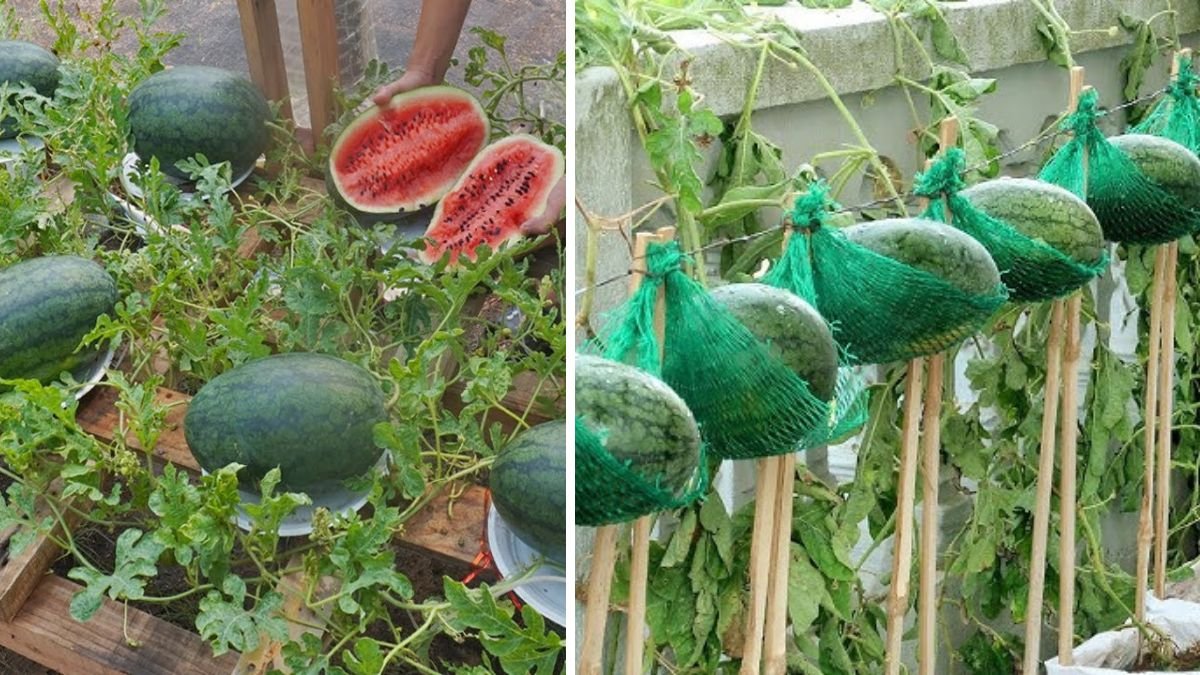
Watermelon vines are sprawling plants that need space to grow. In gardens, they can spread across the ground, while terrace or balcony growers can use large containers or trellises. Containers should have a minimum diameter of 18 inches and good drainage. For vertical gardening, trellises help save space and keep fruits off the floor. (Times of India)
3. Soil Requirements
Watermelons grow best in well-draining, fertile soil with a slightly acidic to neutral pH (6.0–7.0). Adding compost or aged manure enhances soil fertility and water retention. Soil preparation is critical for vine health and fruit quality. (The Better India)
Step-by-Step Guide to Growing Watermelon at Home
Step 1: Choose Quality Seeds
Select watermelon seeds from a variety known for sweetness and disease resistance. Seeds can be started indoors 6–8 weeks before the last frost date to give seedlings a strong start. Healthy seedlings transplanted into prepared soil have higher survival and fruiting rates. (India Times)
Step 2: Prepare the Soil or Container
- For ground planting, dig beds enriched with compost and ensure proper drainage.
- For containers, use a mix of garden soil, compost, and cocopeat or perlite to enhance aeration. Drainage holes at the bottom are crucial to prevent root rot. (Times of India)
Step 3: Sow Seeds
Plant seeds about ½ to 1 inch deep. If starting indoors, transfer seedlings outside once they are strong and the outdoor temperature is consistently warm. Water the soil lightly after planting to maintain moisture. (The Better India)
Step 4: Vine Management
Watermelon vines can grow long and heavy. Allow them to sprawl naturally or train them onto a trellis for space efficiency. Mulching around the base helps retain soil moisture and regulate temperature. Regular pruning of excess growth ensures the plant focuses energy on fruit development. (GardenTabs)
Watering and Fertilizing Tips
Watering
Watermelons need consistent moisture, especially during flowering and early fruiting. Avoid overwatering, as excess water dilutes sugars in the developing fruit, affecting sweetness. Deep, infrequent watering encourages strong root growth.
Fertilization
Feed the plants with a balanced fertilizer during early growth and switch to lower nitrogen fertilizers once fruits start forming. Organic fertilizers and compost promote healthier plants and richer-tasting fruits. (India Times)
Pollination and Fruit Setting
Watermelon flowers are male and female. Successful fruit requires pollination, which can be achieved naturally by bees or manually using a brush to transfer pollen from male to female flowers. Flowering begins around 40–50 days after planting, and fruit typically develops in 30–40 days after pollination. (Times of India)
Harvesting
Watermelon ripeness can be determined by several signs:
- The underside turns creamy yellow.
- The tendril closest to the fruit dries up.
- The fruit emits a deep, hollow sound when tapped.
Harvesting at peak ripeness ensures maximum sweetness and juiciness. Home-grown watermelons can be enjoyed fresh or chilled, perfect for summer snacks or desserts. (Almanac)
Additional Home Gardening Tips
- Pest Management: Watch for aphids, spider mites, or squash bugs. Organic sprays or neem oil can help.
- Composting: Watermelon peels and trimmings can be composted to improve soil fertility. (Navbharat Times)
- Mulching: Keeps soil moist and prevents weed growth.
- Rotation: Avoid planting watermelon in the same spot year after year to reduce disease risk.
Authoritative Resources
- The Old Farmer’s Almanac – Watermelon Growing Guide
Expert planting and care insights (almanac.com) - India Times – Tips to Grow Juicy Watermelons at Home
Practical summer gardening tips (indiatimes.com) - The Better India – Step-by-Step Watermelon Growing Tips
Home garden approach with soil and sunlight guidelines (thebetterindia.com) - Times of India – Terrace Watermelon Growth Steps
DIY terrace garden watermelon tips (timesofindia.indiatimes.com)
Conclusion
Growing watermelon at home is truly an Amazing Idea | How To Grow Watermelon at Home Easy. With proper sunlight, soil, watering, and care, you can enjoy sweet, juicy watermelons straight from your garden. This project is perfect for beginners and experienced gardeners alike, providing both a fun activity and a rewarding harvest.
Not only does home gardening save money, but it also contributes to sustainable living and healthier eating habits. By following these steps, anyone can transform their terrace, backyard, or balcony into a productive watermelon garden. Start today and experience the joy of home-grown, delicious watermelons!