Introduction
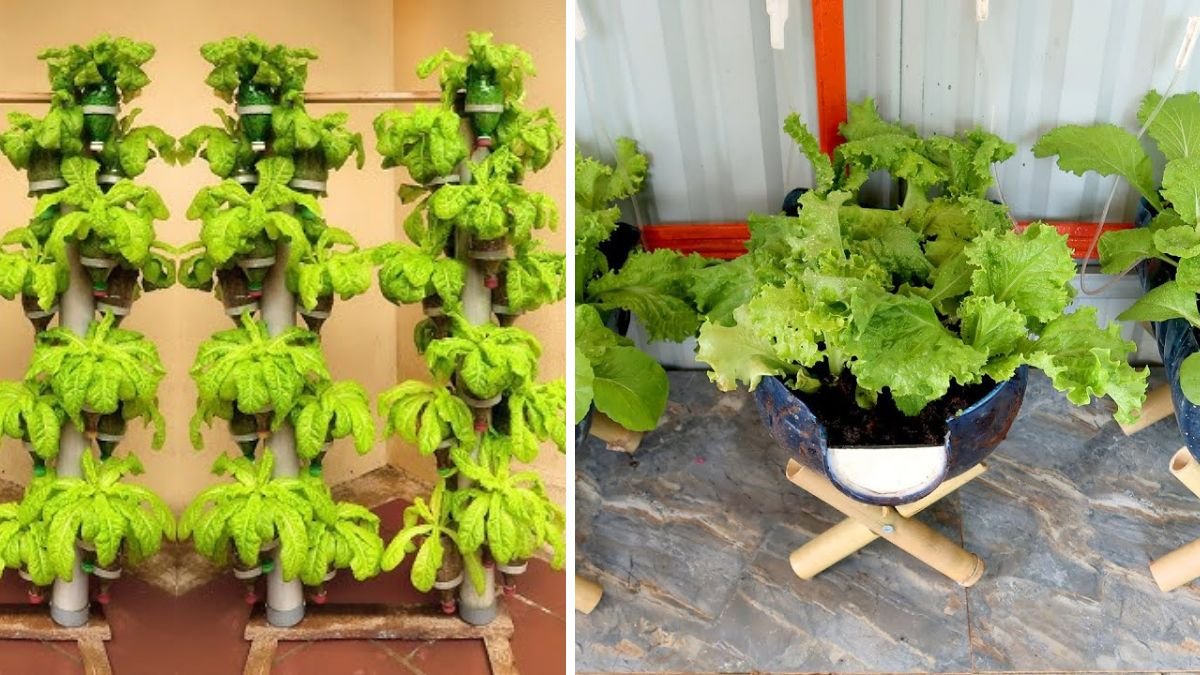
In today’s environmentally conscious world, urban gardeners are finding innovative ways to grow fresh vegetables while reducing plastic waste. One effective approach is recycling plastic bottles to cultivate vegetables, even on dry branches or small vertical spaces. This method combines sustainability with practicality, making gardening accessible for people with limited outdoor space.
Reusing plastic bottles not only helps reduce environmental pollution but also allows homeowners to grow vegetables cost-effectively. From self-watering planters to vertical gardens and hydroponic systems, these creative techniques enable gardeners to cultivate leafy greens, herbs, and small vegetables using materials that would otherwise be discarded.
This article explores smart ways to recycle plastic bottles and grow vegetables on dry branches, providing practical tips, safety guidance, and design inspiration to help you build a productive, eco-friendly garden.
Why Recycle Plastic Bottles in Gardening?
Recycling plastic bottles in gardening is part of a growing movement toward zero-waste and sustainable practices. Using bottles as planters or vertical garden containers provides several benefits:
- Reduces plastic waste sent to landfills.
- Saves money on traditional pots or containers.
- Fits perfectly in urban spaces, balconies, and small gardens.
- Can be adapted to soil-based, vertical, or hydroponic gardening.
Plastic bottle gardens also allow gardeners to conserve water efficiently through slow-drip or self-watering systems, making them ideal for areas with limited rainfall or urban dwellers who prefer low-maintenance solutions.
Smart Ways to Recycle Plastic Bottles for Vegetable Growing
1. Self-Watering Bottle Planters
Self-watering bottles are an easy, beginner-friendly way to grow vegetables sustainably:
- Clean bottles thoroughly and cut off about one-third from the top.
- Invert the top portion into the bottom to act as a funnel.
- Fill with soil and plant seeds or seedlings.
- Add water to the bottom reservoir, allowing the plant to absorb moisture gradually.
This design works especially well for leafy greens like lettuce, spinach, basil, and coriander, reducing daily watering and keeping plants healthy in small spaces.
2. Vegetable Gardens on Dry Branches
For vertical gardening enthusiasts, dry branches can serve as a framework for hanging bottle planters:
- Secure clean bottles horizontally on branches using wire, string, or zip ties.
- Cut an opening in each bottle to hold soil and seedlings.
- Plant vegetables such as leafy greens, herbs, or small peppers in each bottle.
This method efficiently uses vertical space, turning otherwise unused branches into productive growing areas. It’s perfect for small backyards, balconies, or community gardens.
3. Mini Hydroponic Bottle Grow Systems
Recycled bottles can also be adapted for hydroponic vegetable growing:
- Cut a bottle in half and insert a cotton wick through the cap.
- Place the top half upside down, allowing the wick to hang into the bottom reservoir.
- Fill the bottom with nutrient-rich water; the plant absorbs nutrients through the wick.
Hydroponic systems are ideal for herbs and small leafy vegetables, especially in urban areas where soil space is limited.
4. Vertical Wall Bottle Gardens
Stacking bottles to create vertical wall gardens maximizes space efficiently:
- Arrange bottles vertically or in a staggered line.
- Poke side holes for planting multiple vegetables.
- Attach to balcony rails, terrace walls, or fences.
This method works well for herbs, cherry tomatoes, chili peppers, and leafy greens. Vertical wall gardens not only save space but also become a visually appealing feature in urban gardens.
Step-by-Step Guide to Getting Started
1. Choosing the Right Bottles
- Use 1.5–2 liter bottles for deeper-rooted vegetables and smaller bottles for herbs or leafy greens.
- Always clean bottles thoroughly to remove residues.
2. Preparing the Soil Mix
- Mix soil, compost, and a little sand or coco peat to balance nutrients and drainage.
- Label bottles with planting dates and crop types to track growth.
3. Sunlight and Watering
- Most vegetables need 4–6 hours of sunlight daily; leafy greens may thrive with 3–4 hours if watered consistently.
- Water lightly, avoiding over-saturation in small bottles.
4. Drainage and Maintenance
- Poke small holes at the bottom for drainage to prevent root rot.
- Secure bottles firmly if attached to branches to prevent falls during wind or rain.
- Remove yellowing or decayed leaves to maintain plant health.
Safety and Soil Health
While recycling plastic bottles is eco-friendly, some experts caution that plastic can degrade under sunlight, releasing microplastics that may accumulate in soil or plants. To mitigate this:
- Clean bottles thoroughly before use.
- Replace bottles periodically, especially if they show signs of wear.
- Consider lining bottles with natural cloth or using glass containers for edible crops if safety is a concern.
These steps ensure your vegetables remain safe while maintaining the environmental benefits of recycled materials.
Best Vegetables for Bottle Gardening
The following crops thrive in recycled bottle setups:
- Leafy greens: lettuce, spinach, mustard greens
- Herbs: basil, mint, coriander
- Small vegetables: chili peppers, cherry tomatoes, fenugreek
- Root crops: carrots and radishes (use taller bottles)
These plants require minimal root space and are ideal for container or vertical gardening.
Integrating Recycled Bottle Gardens into Your Home
Use Vertical Space
- Install trellises or hangers for bottles to maximize limited spaces.
- Combine with other small pots or hydroponic systems to create a multi-layered garden.
Pathways and Edging
- Use stone, gravel, or wooden chips to define garden paths.
- This improves aesthetics and keeps the area organized.
Color Harmony
- Pair bright leafy vegetables with flowering plants for a visually appealing garden.
- Herbs like basil and mint complement leafy greens while providing culinary benefits.
Low-Maintenance Plants
- Include hardy crops alongside leafy vegetables to reduce upkeep.
- This approach ensures year-round growth and a productive garden without excessive attention.
Authoritative Sources
For additional information and inspiration, consult these resources:
- Agri Farming – Zero-Cost Gardening with Plastic Bottles: Practical DIY guide.
- Soy Carmin – Grow Green: Recycle Plastic Bottles in Your Garden: Sustainable gardening tips.
- Garden Green Insights – Hydroponic Vegetable Growth with Recycled Bottles: Urban hydroponics guide.
- Your Plant Guide – DIY Vertical Garden with Plastic Bottles: Step-by-step setup instructions.
- Homes and Gardens – How to Reuse Plastic Bottles Safely: Safety insights and reuse ideas.
These sources provide up-to-date, expert-backed techniques for sustainable urban gardening.
Conclusion
Recycling plastic bottles to grow vegetables is both environmentally responsible and practical. By converting everyday waste into planters or vertical gardens, you can grow fresh vegetables even in limited spaces while contributing to waste reduction. Techniques such as self-watering planters, vertical gardens on dry branches, and hydroponic bottle systems empower urban gardeners to create productive, sustainable gardens.
By following simple safety precautions, selecting the right vegetables, and maximizing vertical space, you can transform your balcony, yard, or small garden into a thriving, eco-friendly vegetable garden.
Start smart, grow green, and turn plastic waste into a source of fresh, healthy produce — one bottle at a time!