🌱 Introduction
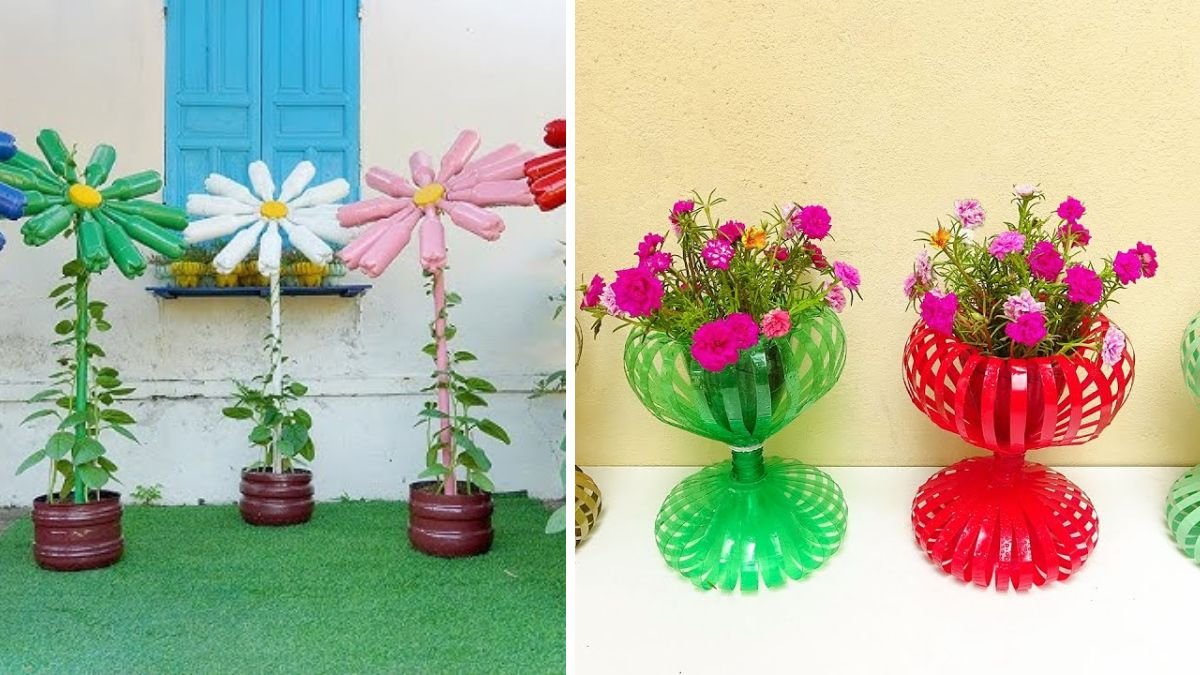
In today’s eco-conscious world, gardening has evolved beyond simply planting flowers and vegetables. More gardeners are seeking creative ways to combine sustainability with beauty. One standout trend is recycling plastic bottles to create amazing garden art — functional, decorative, and environmentally responsible. Not only does this practice reduce waste, but it also offers an opportunity to grow vegetables in small spaces, engage kids in hands-on projects, and add vibrant charm to any garden.
From vertical vegetable gardens to whimsical art installations, Amazing Garden Art from Recycling Plastic Bottles | Vegetable Garden is a project that combines creativity, functionality, and eco-friendly principles, turning ordinary plastic bottles into extraordinary garden features.
🌍 Why Recycling Plastic Bottles in the Garden Matters
Plastic pollution is a global problem. Billions of plastic bottles are produced each year, and most end up in landfills, oceans, or scattered across landscapes. By repurposing bottles in your garden, you can:
- Reduce Plastic Waste: Transform bottles from trash into useful planters, art installations, and irrigation tools.
- Support Pollinators and Vegetables: Create habitats for bees and other pollinators, while also growing herbs, leafy greens, or small vegetables.
- Save Money: Recycled bottle projects are low-cost alternatives to store-bought planters and garden décor.
- Encourage Creativity: Each project allows for personalization, colors, patterns, and designs that match your garden style.
Recent initiatives demonstrate the growing interest in recycled plastic garden projects. In Nottinghamshire, UK, a community garden constructed a polytunnel using recycled plastic bottles, enabling year-round vegetable production while fostering community participation. Such projects prove that recycled plastic can have both aesthetic and functional purposes in gardens. (nottinghamshire.veolia.co.uk)
🌿 Creative Ideas for Garden Art with Plastic Bottles
Here are some practical and visually stunning ways to create Amazing Garden Art from Recycling Plastic Bottles | Vegetable Garden:
1. 🌻 Vertical Vegetable Gardens
Vertical gardens maximize space while producing edible crops. Cut horizontal openings in plastic bottles, fill them with soil, and plant herbs or leafy vegetables such as lettuce, spinach, or basil. Attach the bottles to wooden frames, fences, or balcony railings to create a lush green wall. This method is perfect for urban gardeners with limited outdoor space. (apieceofrainbow.com)
2. 💨 Wind Spirals and Mobiles
Plastic bottles can be cut into spirals or other decorative shapes to create hanging garden art that moves with the wind. These mobiles add a dynamic, playful touch to vegetable gardens while reflecting sunlight, creating a cheerful and interactive outdoor space. (birbalnews.com)
3. 🍅 Self-Watering Planters
Self-watering bottle planters are both functional and fun. Cut a bottle in half, invert the top half into the bottom as a funnel, and use a wick to draw water from the lower reservoir. Fill the top section with soil and plant vegetables like tomatoes, peppers, or eggplants. These planters reduce watering frequency and prevent overwatering. (growveg.com)
4. 🍃 Hanging Herb Gardens
Turn bottles into hanging planters for herbs like mint, parsley, or oregano. Cut a side opening, fill with soil, and suspend the bottles with ropes or twine. Group multiple bottles to create a floating herb garden on balconies, patios, or fences. Hanging gardens are both decorative and space-saving. (kidsartncraft.com)
5. 🌼 Bottle Cap Art
Use bottle caps to create garden mosaics, pathways, or colorful borders. This is a simple and engaging project that can involve children, teaching them the value of reusing materials while adding personality to the garden. (birbalnews.com)
🛠 Step-by-Step DIY Vertical Vegetable Garden
Creating a vertical garden from plastic bottles is a beginner-friendly project:
Materials Needed
- Clean plastic bottles
- Scissors or craft knife
- Strong rope or string
- Drill for drainage holes
- Soil suitable for vegetables
- Seeds or seedlings
Instructions
- Clean Bottles: Remove labels and wash thoroughly.
- Cut Openings: Cut horizontal slits for planting.
- Add Drainage: Poke small holes in the bottom.
- Attach Bottles: Hang or attach bottles to a wall, fence, or wooden frame.
- Plant Vegetables: Fill with soil and plant seeds or seedlings.
- Water & Maintain: Keep soil moist, provide adequate sunlight, and rotate crops as needed.
This simple method allows gardeners to grow fresh vegetables in minimal space while creating a vibrant vertical display.
🌟 Benefits of Using Plastic Bottles for Garden Art
- Sustainability: Each bottle repurposed reduces waste and supports environmental responsibility.
- Cost-Effective: Save money on planters and garden accessories.
- Educational: Involve children to teach about recycling, gardening, and sustainability.
- Aesthetic Appeal: Personalize colors, patterns, and designs to match your garden theme.
- Functional: Many projects, like self-watering planters, have practical benefits for vegetable growth.
Plastic bottle gardening encourages creativity, reduces environmental impact, and promotes functional art that is as useful as it is beautiful.
📰 Trending News and Community Initiatives
While news headlines rarely focus solely on garden art from bottles, broader sustainability trends highlight its growing relevance:
- Community Polytunnels: UK gardens constructed growing tunnels using recycled bottles for year-round vegetable production. (nottinghamshire.veolia.co.uk)
- Plastic Bottle Recycling Programs: Indian cities are installing bottle crushers to encourage recycling at the community level. These initiatives support local gardeners who use recycled bottles for planters and garden art. (timesofindia.indiatimes.com)
These initiatives demonstrate that creative reuse of bottles is both practical and celebrated worldwide.
🧠 Tips for Success
- Select the Right Plastic: PET #1 bottles are durable and easy to work with.
- Safety First: Drill drainage holes carefully and secure hanging bottles to prevent accidents.
- Combine Art and Function: Ensure that designs allow sufficient soil space, sunlight, and water for healthy plants.
- Engage Children: DIY projects like bottle planters can be fun educational activities for kids.
📚 Authoritative Sources
- GardenGuides: Tips on reusing plastic bottles for planters and garden décor. (gardenguides.com)
- Creative Green Living: DIY garden art ideas using recycled plastic bottles. (creativegreenliving.com)
- Homes and Gardens: Guides on upcycling bottles for functional and decorative garden projects. (homesandgardens.com)
- Kids Art N Craft: Fun, kid-friendly bottle planter projects. (kidsartncraft.com)
🌟 Conclusion
Amazing Garden Art from Recycling Plastic Bottles | Vegetable Garden is more than a hobby—it’s a movement toward sustainability, creativity, and functional design. By repurposing bottles, gardeners can grow vegetables, attract pollinators, and create stunning visual art in their outdoor spaces.
Whether you’re crafting vertical herb walls, self-watering planters, or whimsical bottle cap mosaics, recycled plastic transforms your garden while reducing environmental impact. These projects are perfect for families, urban gardeners, and eco-conscious creatives seeking inspiration.
Start today by gathering your bottles, soil, and plants, and watch your recycled garden art flourish into a vibrant, productive, and eco-friendly paradise.