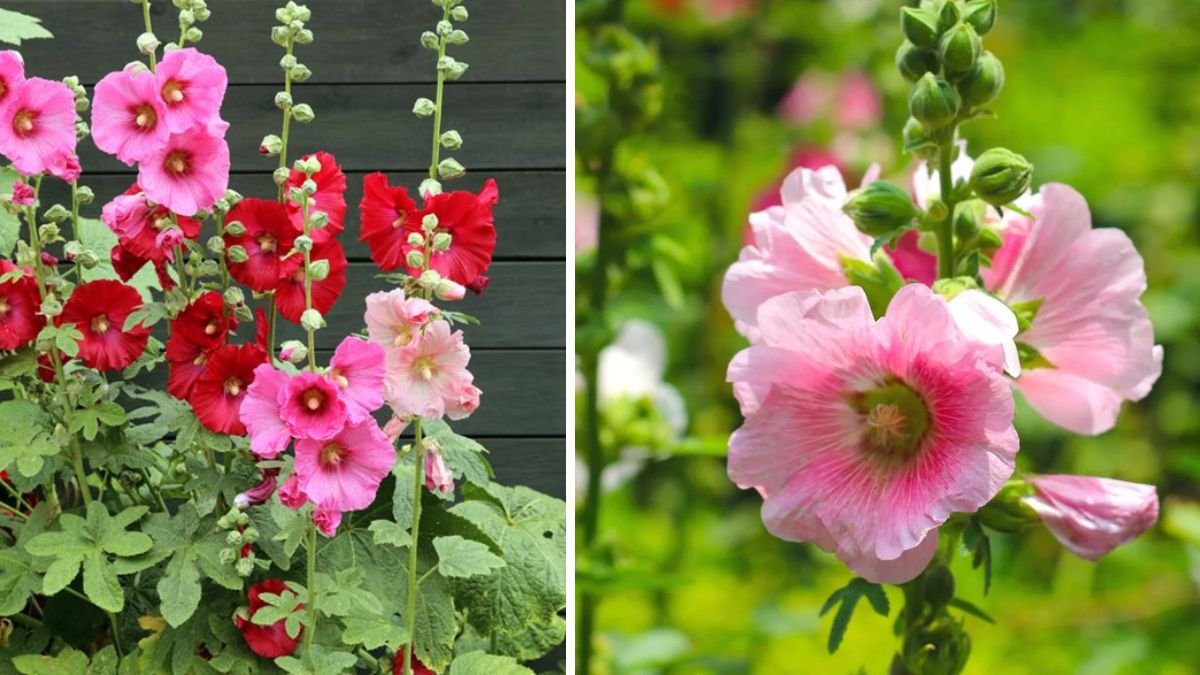
Hollyhocks (Alcea spp.) are a beloved staple of cottage gardens, celebrated for their towering spikes of colorful flowers and old-world charm. Their stately height, dramatic blooms, and ability to attract pollinators make them a standout addition to any garden. While hollyhocks seem timeless, gardeners in 2026 are discovering improved techniques for maximizing bloom, reducing disease, and creating thriving vertical interest. This guide covers everything you need to know to grow hollyhocks successfully and enjoy their full potential.
Understanding Hollyhocks: Lifecycle and Growth
Hollyhocks are typically biennial or short-lived perennial plants. In their first year, they produce leafy rosettes, and in their second year, they send up tall flower spikes. Some modern varieties bloom in the first season if sown early, but most classic hollyhocks achieve their full glory in the second year.
These plants can reach 3 to 8 feet (0.9–2.4 m), making them ideal for the back of borders or along fences. Their height and spire-like blooms add architectural drama, while their soft cottage garden aesthetic brings nostalgic beauty to outdoor spaces.
Planting Hollyhocks for Success
Selecting the Right Spot
Hollyhocks thrive in full sun, ideally receiving six or more hours of direct sunlight each day. Full sun encourages strong growth and abundant flowering. Planting them near walls or fences provides natural support and protection from strong winds, which could otherwise topple their tall, slender stems.
Soil Preparation
Well-drained, fertile soil is essential for healthy hollyhocks. Enriching the soil with compost or aged manure improves texture and nutrient content. Mulching helps retain moisture and suppress weeds, which can compete with hollyhocks for nutrients. Hollyhocks prefer slightly alkaline to neutral soil but are generally adaptable.
Sowing Seeds or Transplants
- Direct Sowing: Sow hollyhock seeds outdoors in spring after the last frost. Space seeds 18–24 inches apart to ensure airflow and reduce disease risk. Seeds can also be sown in late summer for blooms the following year.
- Starting Indoors: Start seeds 8–10 weeks before the last expected frost. Transplant seedlings outdoors once the danger of frost has passed. Proper spacing at transplanting is critical to prevent overcrowding and minimize disease risk.
Daily Care Tips
Watering
Hollyhocks prefer consistent moisture, especially while establishing roots and during flowering. Deep watering once or twice a week is ideal. Watering at soil level instead of overhead reduces the risk of fungal diseases like rust, to which hollyhocks are prone.
Fertilization
If the soil is rich with organic matter, additional fertilization may not be necessary. For larger blooms, apply a balanced, slow-release fertilizer in early spring and midseason. Avoid excessive nitrogen, which promotes leafy growth at the expense of flowers.
Supporting Tall Growth
Because hollyhocks can grow very tall, staking early is recommended. Use bamboo stakes or garden canes and tie stems loosely with soft twine. This prevents breakage in windy conditions and keeps flower spikes upright.
Managing Common Problems
Rust Disease
Rust (Puccinia malvacearum) is the most common hollyhock disease. It appears as orange-brown pustules on the leaves and thrives in humid conditions. To prevent rust:
- Plant with adequate spacing for air circulation.
- Water at the base to keep leaves dry.
- Remove and dispose of infected leaves promptly.
Preventative fungicides can be used in regions with high humidity or recurring rust problems.
Pests
Hollyhocks attract pests such as Japanese beetles and aphids. Inspect plants regularly and remove pests by hand or use neem oil or insecticidal soap to control infestations before blooms are affected.
Seasonal Care
Deadheading and Long Blooming
Removing spent flowers encourages continuous blooming by prompting the plant to produce more buds. If you prefer self-seeding, allow some blooms to develop into seed pods and collect seeds once dry.
Autumn Cleanup and Winter Prep
After the flowering season, cut hollyhocks back to 6–10 inches above the ground. Remove plant debris to reduce overwintering disease spores. In colder climates, mulch around the base for root protection.
Self-Seeding
Hollyhocks self-seed readily. Allowing some spent blooms to produce seeds ensures plants return each year without replanting. This makes hollyhocks a low-maintenance, perennial-feeling addition to cottage gardens.
Creative Garden Uses
Hollyhocks are versatile garden plants. They work beautifully as backdrop plants, along fences, walls, or the rear of borders. Pair them with companion plants such as foxgloves, roses, lavender, and catmint for a layered, classic cottage garden look.
Their height attracts pollinators, including bees, butterflies, and hummingbirds, enhancing biodiversity in your garden. The vertical element also adds depth and interest to planting schemes.
Varieties and Colors
Hollyhocks come in a variety of colors — red, pink, white, yellow, and even bi-colors. Modern hybrids offer improved disease resistance and can bloom in the first year. Consider selecting a mix of colors for maximum visual impact or a single shade for a striking vertical statement.
Authoritative Sources
For further guidance on growing hollyhocks:
- Royal Horticultural Society: Complete growing guide for site selection, planting, and pest management. (rhs.org.uk)
- Gardening Know How: Practical advice on soil, staking, watering, and disease prevention. (gardeningknowhow.com)
- Old Farmer’s Almanac: Seasonal planting and care tips. (almanac.com)
These resources offer up-to-date advice and expert tips for gardeners looking to maximize their hollyhock blooms.
Conclusion
Hollyhocks are more than just flowers — they are an iconic element of the cottage garden, offering height, color, and pollinator appeal. With careful site selection, proper soil preparation, consistent watering, and attention to pests and diseases, you can enjoy stunning flower spikes year after year. Staking tall plants and managing rust ensures your hollyhocks reach their full potential.
Whether planted as a dramatic backdrop, part of a layered border, or in a pollinator-friendly garden, hollyhocks reward gardeners with eye-catching blooms and nostalgic charm. By following these tips, you’ll get the most from this cottage garden classic — year after year.
Embrace the elegance and vertical beauty of hollyhocks and let your garden flourish with color and life.