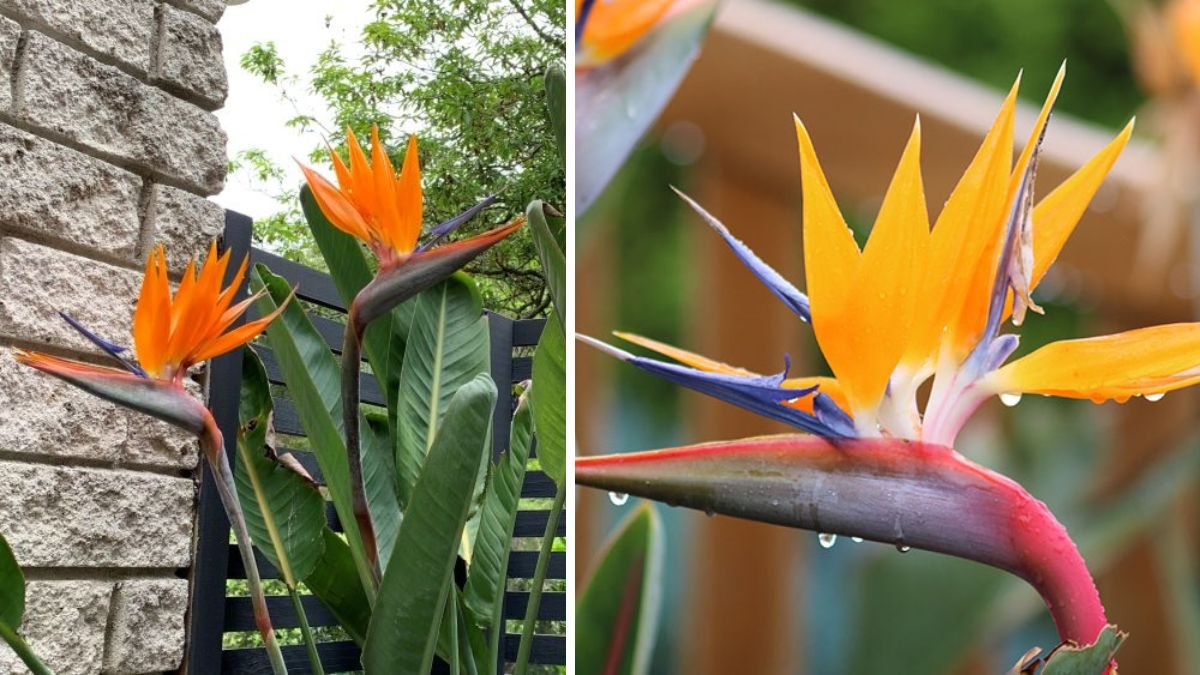
Bird of Paradise plants (Strelitzia spp.) are prized for their dramatic tropical foliage and striking blooms, making them a favorite in gardens, patios, and indoor spaces. These plants, however, are subtropical natives and are not frost-tolerant, meaning they require careful attention during the colder months. Proper winter care ensures your Bird of Paradise remains healthy, vibrant, and ready to flourish when spring returns.
Winter challenges for Bird of Paradise include cold temperatures, low humidity, reduced sunlight, and potential pests. Gardeners outside USDA hardiness zones 10–12 must take proactive steps to protect these tropical beauties from frost, stress, and slow growth. Understanding their specific needs for light, water, temperature, and humidity is key to ensuring they thrive all winter long. (lifetips.alibaba.com)
Understanding Bird of Paradise Winter Needs
Bird of Paradise plants thrive in warm, humid conditions. During winter, temperatures often drop below the levels they tolerate, so careful management is essential. Daytime temperatures should ideally remain between 65–75°F (18–24°C), and nighttime temperatures should not fall below 50–60°F (10–15°C). Exposure to frost, cold drafts, or sudden temperature changes can cause leaf damage, stunted growth, or even death in extreme cases. (plantcareforbeginners.com)
When winter arrives, it’s essential to identify the safest location for your plant. Outdoors, Bird of Paradise can survive mild winters but must be moved indoors or to sheltered areas in regions prone to frost. Indoor care requires placing the plant away from heating vents and cold drafts while ensuring adequate light and humidity.
Light Requirements During Winter
Winter’s shorter days and weaker sunlight can stress your Bird of Paradise. Light is crucial for maintaining healthy leaves and preventing stunted growth.
- Direct sunlight: Aim for 4–6 hours of direct sunlight daily.
- Bright indirect light: If sunlight is limited, supplement with LED grow lights for up to 12 hours per day.
- Window placement: South- or west-facing windows are ideal for natural light exposure.
Insufficient light can cause yellowing leaves, leggy growth, and a reduction in flowering once spring arrives. Regularly rotating your plant helps ensure all leaves receive adequate light. (gardenbotany.com)
Temperature Management
Bird of Paradise plants are highly sensitive to temperature fluctuations. During winter, it’s crucial to maintain a consistent environment:
- Avoid cold drafts: Keep plants away from windows or doors that frequently open to the outside.
- Monitor indoor temperatures: Avoid placing the plant near heaters, radiators, or fireplaces, which can dry out the leaves.
- Frost protection: If any Bird of Paradise remains outdoors, cover with frost cloth when temperatures approach freezing. Mulching the base can also insulate the roots. (simplifyplants.com)
Maintaining stable temperatures reduces stress and keeps your Bird of Paradise in prime condition throughout winter.
Watering Guidelines
During winter, Bird of Paradise plants require less water than during active growth. Overwatering is one of the most common mistakes and can lead to root rot.
- Allow the top inch of soil to dry before watering.
- Water deeply but infrequently to encourage healthy root growth.
- Reduce overall watering frequency to reflect slower growth rates. (gardenbotany.com)
Monitoring soil moisture is critical. Stick your finger into the soil; if it feels dry to about an inch deep, it’s time to water. Avoid leaving the soil constantly soggy.
Humidity and Air Moisture
Bird of Paradise thrives in high humidity, a condition often lacking in homes during winter due to central heating. Low humidity can cause brown leaf tips, crispy edges, and slowed growth.
Ways to increase humidity:
- Use a humidifier near the plant.
- Place the pot on a tray filled with pebbles and water, allowing moisture to evaporate around the leaves.
- Group multiple plants together to create a shared microclimate of increased humidity. (gardenbotany.com)
Maintaining adequate humidity keeps the leaves healthy and vibrant throughout the season.
Fertilizing and Pruning in Winter
Winter is a dormant period for Bird of Paradise. Fertilization should be paused to avoid stressing the plant:
- Do not fertilize between late autumn and early spring. Fertilizing during dormancy can harm the roots.
- Pruning should be minimal: remove only dead, yellowed, or damaged leaves. Healthy foliage should remain to maintain energy reserves. (lifetips.alibaba.com)
Limiting fertilization and careful pruning allow the plant to conserve energy for a strong spring growth cycle.
Pest Management
Although less common in winter, pests like spider mites and scale insects can still appear indoors. Inspect the plant regularly and treat infestations promptly using:
- Horticultural oil
- Mild insecticidal soap
- Gentle wiping of leaves
Maintaining proper humidity and light also helps reduce susceptibility to pests. (lifetips.alibaba.com)
Common Winter Stress Signs
Even with careful care, your Bird of Paradise may show signs of winter stress:
- Brown leaf edges: Often caused by low humidity or inconsistent temperatures. Correct by increasing humidity and maintaining stable indoor temperatures.
- Yellowing leaves: Can result from under-watering or insufficient light. Adjust watering and ensure the plant receives enough bright light.
- Leaf drop: Stress from environmental changes can trigger leaf loss. This is normal if only a few older leaves are affected, but ensure care practices are consistent. (gardenbotany.com)
Monitoring your plant closely during winter helps catch stress early, ensuring quick corrective action.
Winter Location Checklist
For optimal winter survival:
✔ Place near a south- or west-facing window for maximum sunlight.
✔ Keep away from drafts and heaters.
✔ Maintain night temperatures above 60°F (15°C).
✔ Consider supplemental LED grow lights if natural light is limited.
✔ Increase humidity with trays, humidifiers, or grouping plants.
This setup helps your Bird of Paradise remain healthy and stress-free throughout the season.
Authoritative Sources to Follow
For further guidance on winter care:
- Plantura Garden — comprehensive Bird of Paradise overwintering tips (plantura.garden)
- Alibaba LifeTips — Strelitzia winter care details (lifetips.alibaba.com)
- GardenBotany.com — winter watering, humidity, and temperature strategies (gardenbotany.com)
- Gardening Know How — seasonal advice for frost-sensitive tropical plants (gardeningknowhow.com)
Final Thoughts
Winter doesn’t have to be stressful for your Bird of Paradise. By focusing on temperature stability, light management, controlled watering, and adequate humidity, you can keep your Strelitzia healthy and vibrant throughout the season. Minimal pruning, careful pest monitoring, and frost protection complete the care routine, ensuring your tropical plant thrives even in colder climates.
With the right strategies, your Bird of Paradise will enter spring strong and ready to showcase its lush foliage and iconic blooms. Winter care is about preparation, observation, and consistent attention — the rewards are a resilient, healthy, and beautiful tropical plant year-round.