Introduction
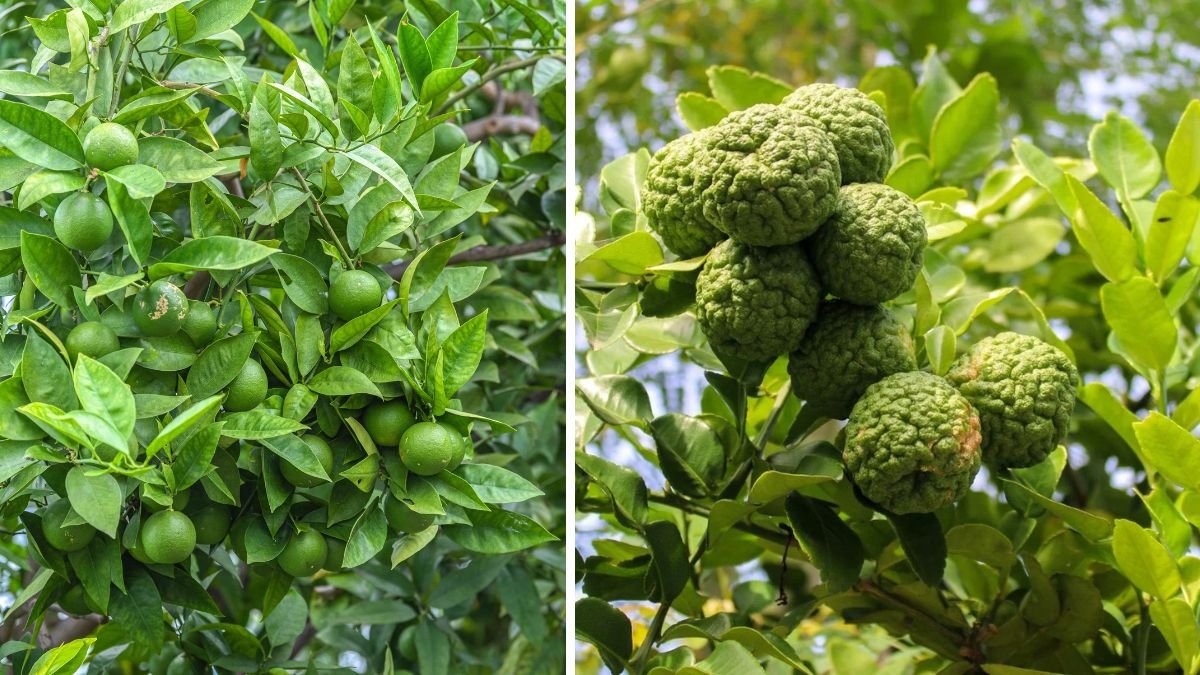
If you’re looking to add an exotic touch to your garden or kitchen, a makrut lime tree is a perfect choice. Known scientifically as Citrus hystrix, this tropical tree is famous for its aromatic double leaves and knobbly green fruits, which are staples in Southeast Asian cuisine. While the juice of the fruit is bitter, its zest and leaves pack a citrusy punch that enhances curries, soups, stir-fries, and teas.
Growing a makrut lime at home is not only rewarding for its culinary value but also for the delightful fragrance it brings indoors or to your backyard. With proper care, even gardeners in cooler climates can cultivate this tropical citrus successfully.
Best Growing Conditions
Sunlight
Makrut lime trees thrive in full sun, ideally receiving 6–8 hours of direct sunlight daily. For indoor gardeners, placing the tree near a south-facing window or using full-spectrum grow lights ensures the leaves develop their signature aroma and vibrant color.
Temperature & Climate
These tropical trees prefer warm conditions and grow best in USDA zones 10–12. They are sensitive to frost, so container-grown trees should be brought indoors when temperatures drop below 10°C (50°F). Maintaining consistent warmth encourages healthy growth and abundant leaf production.
Soil & Drainage
Well-draining, nutrient-rich soil is essential for a thriving makrut lime. A mix of potting soil with sand or perlite ensures proper drainage and prevents root rot. Avoid heavy, compacted soils, as citrus roots can quickly succumb to waterlogging.
Watering
Water deeply and allow the top layer of soil to dry slightly between watering sessions. This wet–dry cycle keeps roots healthy and promotes robust leaf growth. Overwatering is a common mistake, so always check soil moisture before adding more water.
Container vs. In-Ground Growing
Container gardening is ideal for indoor growers and those in colder climates. Use pots with ample drainage and repot the tree as it grows. In-ground planting works well in warmer areas with consistent sun, fertile soil, and protection from frost. Both methods can yield fragrant leaves and vibrant fruit when properly maintained.
Care and Maintenance
Fertilization
Feed your makrut lime tree with a slow-release citrus fertilizer during the growing season, particularly in spring and summer. Nitrogen-rich fertilizers promote lush foliage, which is essential for harvesting aromatic leaves.
Pruning
Light pruning encourages bushy growth and maintains a manageable size. Focus on trimming dead or overcrowded branches while leaving enough leaves to sustain the tree. Proper pruning enhances airflow, sunlight penetration, and leaf production.
Harvesting Leaves
Makrut lime leaves can be harvested year-round, though summer tends to produce the most flavorful leaves. Pick mature leaves carefully without stripping the tree bare, leaving enough foliage to support continued growth. The leaves can be used fresh, refrigerated, or frozen to retain their aroma.
Harvesting Fruit
Makrut lime fruits are knobbly, deep green, and best harvested once fully mature. The zest is commonly used in culinary applications, while the juice tends to be bitter. For maximum flavor, handle the fruits gently to preserve the oil-rich peel.
Indoor Growing Tips
For indoor cultivation, grow lights are crucial if natural sunlight is limited. Position the tree near bright windows, rotate the pot weekly for even light exposure, and maintain temperatures between 16–24°C. Containers allow for easy relocation during colder months, ensuring year-round growth and leaf production.
Humidity is another factor to consider indoors. Citrus trees prefer moderate humidity; misting the leaves or placing a tray of water nearby can help replicate the tree’s natural environment.
Pest and Disease Management
While makrut lime trees are generally hardy, they can attract pests such as aphids, scale insects, and spider mites. Regularly inspect leaves, stems, and new growth. Treat infestations early using natural solutions like neem oil or insecticidal soap.
Root rot is another concern caused by overwatering. Ensure pots have adequate drainage, and never allow the soil to remain soggy for extended periods. Healthy trees are more resistant to pests and produce more fragrant leaves.
Culinary Uses
Makrut lime leaves and zest are highly valued in Southeast Asian cuisine. The leaves are added to curries, soups, and stir-fries for their distinctive citrus aroma. Zest can enhance sauces, marinades, and desserts, while the oil from the peel is used in aromatic pastes and beverages.
Fresh leaves can be stored in the refrigerator for up to a week or frozen for long-term use. The strong fragrance intensifies when cooked, making even a small harvest highly impactful in recipes.
Suggested Authoritative Sources
- Royal Horticultural Society (RHS) – for general cultivation tips. (rhs.org.uk)
- US Citrus Nursery – for container growing and fertilization advice. (uscitrusnursery.com)
- Gardenia.net – for plant characteristics, uses, and growth habits. (gardenia.net)
- Bunnings Australia – practical tips for growing makrut lime in gardens. (bunnings.com.au)
These sources provide reliable, up-to-date guidance for both beginner and experienced gardeners.
Conclusion
Growing a makrut lime tree at home is both achievable and rewarding. With attention to sunlight, soil, watering, and temperature, even indoor gardeners can cultivate a thriving tree that produces fragrant leaves and aromatic zest.
Whether you’re using the leaves in cooking, adding zest to desserts, or simply enjoying the fresh citrus scent indoors, a home-grown makrut lime tree can enhance your culinary experiences and bring tropical beauty to your garden or kitchen year-round.
By following these care tips, your tree can flourish for years, rewarding you with both lush, fragrant foliage and occasional knobbly fruits that elevate your dishes with authentic Southeast Asian flavor.