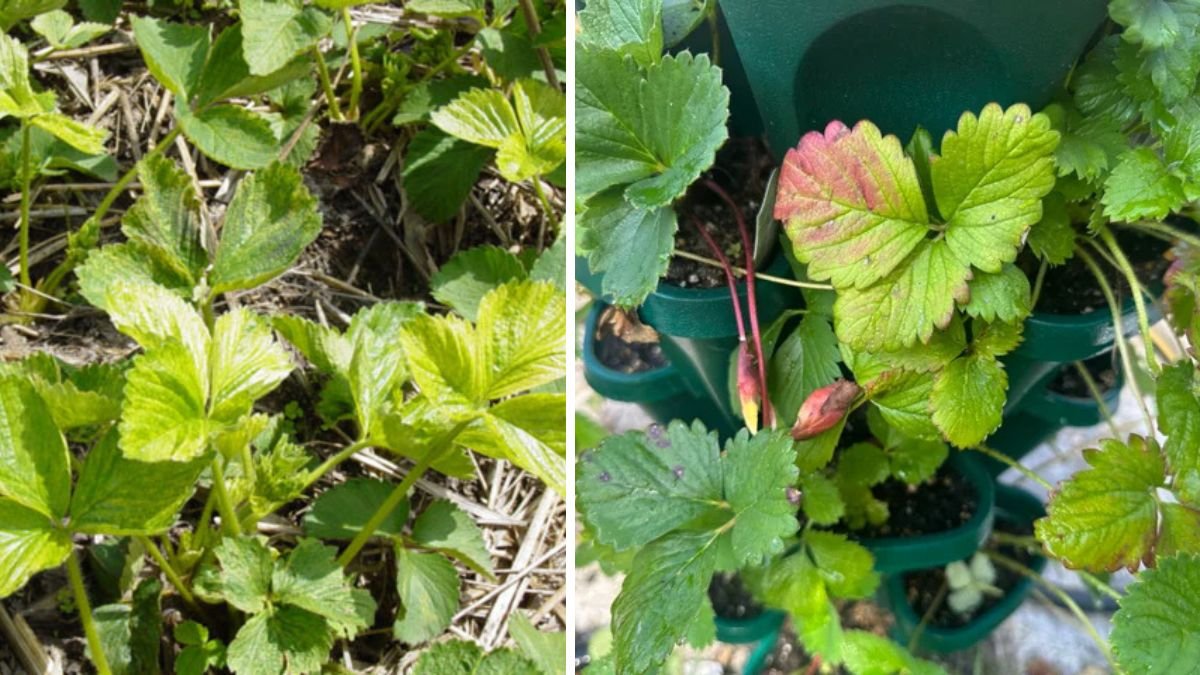
Strawberries are one of the most rewarding plants to grow in a garden, offering sweet, juicy fruit throughout the season. But when the leaves start turning yellow, it’s a signal that something is wrong. Yellow leaves, or chlorosis, can indicate anything from nutrient deficiencies to pests or environmental stress. Understanding the cause of the yellowing is essential to restoring your plants’ health and ensuring a bountiful harvest. In this guide, we’ll explore the 10 most common reasons your strawberry leaves are turning yellow and provide practical solutions to fix them.
1. Nitrogen Deficiency
Nitrogen is a critical nutrient for chlorophyll production, which gives leaves their green color. When nitrogen is lacking, older leaves usually turn yellow first because the plant reallocates nutrients to support new growth. The yellowing is often uniform across the leaf surface.
Fix: Use a balanced fertilizer that includes nitrogen or enrich the soil with composted manure. Early spring is the best time to supplement nitrogen to support vigorous growth throughout the season.
Reference: Yara – Nutrient Deficiencies in Strawberries
2. Iron Deficiency
Iron deficiency is another common cause of yellow leaves in strawberries, particularly affecting young leaves. This often appears as interveinal chlorosis, where the areas between leaf veins turn yellow while the veins remain green. High soil pH or poor nutrient availability can prevent the plant from absorbing iron.
Fix: Lower soil pH with elemental sulfur, or apply iron chelate foliar sprays to correct deficiencies. Monitoring soil pH regularly helps prevent recurring problems.
Reference: Biology Insights – Strawberry Leaf Yellowing
3. Magnesium and Zinc Deficiencies
Magnesium and zinc are essential micronutrients for strawberry growth. A deficiency in magnesium can lead to yellowing between leaf veins, usually on older leaves, while zinc deficiency can cause stunted growth and distorted leaves.
Fix: Apply magnesium sulfate (Epsom salts) for magnesium deficiency or use a micronutrient-rich fertilizer to address zinc shortages. Regular soil tests can help identify deficiencies early.
Reference: Yara – Zinc Deficiency in Strawberries
4. Overwatering
Too much water can suffocate roots and prevent them from absorbing oxygen and nutrients. Overwatered plants often exhibit yellow, soft leaves and may also develop root rot.
Fix: Ensure your strawberries are planted in well-draining soil. Water only when the top inch of soil is dry, and consider using raised beds or containers to improve drainage.
Reference: Homes and Gardens – Strawberry Leaf Problems
5. Underwatering
On the flip side, underwatering can also cause yellowing, particularly when accompanied by dry leaf edges and stunted growth. Without sufficient water, nutrient uptake is impaired, and the plant experiences stress.
Fix: Provide deep, consistent watering, aiming for about an inch per week. Adjust for weather conditions, as hot, dry periods require more frequent watering. Mulching around plants can help retain soil moisture.
6. Poor Soil pH
Strawberries thrive in slightly acidic soil with a pH between 5.5 and 6.5. When soil is too alkaline, certain nutrients, especially iron, become unavailable, resulting in yellowing leaves.
Fix: Test soil pH regularly and amend with organic matter or sulfur to lower the pH. Maintaining the ideal pH improves nutrient availability and overall plant health.
Reference: Biology Insights – Strawberry Leaf Yellowing
7. Root Issues and Poor Drainage
Root problems, including damage from pests, disease, or poor drainage, restrict nutrient absorption. Symptoms often include widespread yellowing, wilting, and slow growth.
Fix: Improve soil structure with compost or sand to enhance drainage. Remove damaged plants promptly and rotate crops to prevent disease buildup. Raised beds can also help prevent waterlogged roots.
8. Pest Infestations
Aphids, spider mites, and other sap-sucking insects can damage strawberry leaves, causing yellow spots or general chlorosis. Pests can also transmit diseases that further stress the plant.
Fix: Inspect plants regularly, particularly the undersides of leaves. Treat infestations with insecticidal soap or neem oil, or introduce beneficial insects like ladybugs to control pest populations naturally.
Reference: Biology Insights – Strawberry Leaf Yellowing
9. Fungal and Viral Diseases
Fungal pathogens such as Botrytis (gray mold) and root rot, or viral infections, can cause leaves to yellow, wilt, or die back. Diseases often spread quickly under wet conditions or in dense plantings.
Fix: Remove affected leaves and use fungicides where appropriate. Avoid overhead watering, ensure good air circulation, and rotate crops to minimize disease risk.
Reference: Biology Insights – Strawberry Leaf Yellowing
10. Environmental Stress
Extreme temperatures, too much direct sun, or rapid changes in light intensity can stress strawberries, causing leaves to turn pale or yellow.
Fix: Provide partial shade during the hottest part of the day in regions with intense sunlight. Strawberries need 6–8 hours of sunlight daily, so balancing light and protection is key.
Reference: Biology Insights – Strawberry Plant Care
Background Context
Chlorosis, the yellowing of leaves, is a symptom rather than a disease itself. It indicates a disruption in chlorophyll production, often caused by nutrient deficiencies, water imbalances, pests, or environmental stress. Observing the pattern of yellowing—whether uniform, interveinal, or patchy—can help pinpoint the underlying cause. Proper diagnosis ensures that corrective measures are effective and prevent further damage.
Authoritative Sources
To provide accurate and reliable guidance for diagnosing and treating yellowing leaves, consider referencing these authoritative sources:
- University of California Agriculture & Natural Resources (UC ANR) – Strawberry care and disease management
- Pacific Northwest Pest Management Handbook – Guides on soil pH, nutrients, and plant diseases (pnwhandbooks.org)
- Yara Crop Nutrition Guides – Visuals for nutrient deficiencies (yara.co.uk)
- Extension Services – Oregon State, Michigan State University, and other land-grant universities provide soil health and plant stress information
Conclusion
Yellow leaves on strawberry plants are a warning sign rather than a problem themselves. By carefully observing leaf patterns, testing soil, monitoring water, and protecting plants from pests and environmental stress, gardeners can restore plant health and ensure a bountiful harvest. Use this guide as your checklist to identify the cause and take corrective action.
With proper care, your strawberries will regain their vibrant green leaves, producing sweet, healthy fruit season after season.