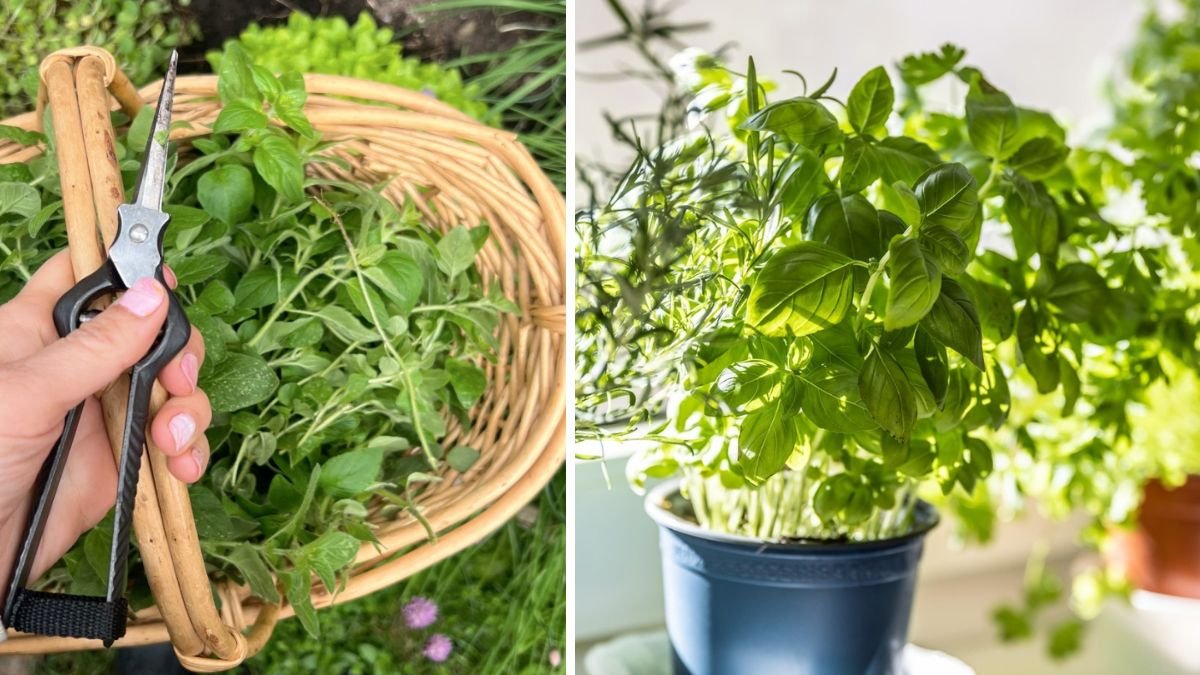
Introduction: Don’t Throw Away Those Herb Stems
Fresh herbs like basil, cilantro, parsley, and mint are staples in kitchens worldwide, bringing fragrance and flavor to sauces, salads, and marinades. But all too often, the stems and scraps are tossed, even though they are packed with flavor, nutrients, and culinary potential.
By learning to use herb stems creatively, you can maximize flavor, minimize waste, and even save money. From stocks to oils, sauces to teas, there are countless ways to put every part of your herbs to work. Here, we explore 10 clever uses for leftover herb stems and scraps that will transform the way you cook.
1. Make Flavorful Stocks and Broths
Herb stems are perfect for building aromatic stocks. Add them to vegetable, chicken, or beef stock along with onion skins, carrot tops, and garlic scraps. Simmer to extract deep, herbaceous notes, then strain before using the stock as a base for soups, stews, or sauces.
Tips:
- Tie stems in cheesecloth or use an herb infuser bag for easy removal.
- Freeze portions for future meals.
This method ensures even the toughest stems impart their flavor without being wasteful.
2. Infuse Oils and Vinegars
Infusing leftover stems into oils and vinegars is a simple way to capture their essence. Place stems in a jar, cover with olive oil or vinegar, and let steep for several days or weeks. Strain the liquid and use it for dressings, marinades, or as a finishing touch for cooked dishes.
Herb-infused oils and vinegars not only enhance flavor but also add a homemade, artisanal touch to your cooking.
3. Blend Into Sauces, Pesto, and Salsa Verde
Tender herb stems, like parsley or basil, can be chopped and blended directly into sauces such as pesto or salsa verde. Because the stems and leaves are combined, they add concentrated flavor, vibrant color, and a slightly different texture to your sauces.
This technique is a simple way to use scraps that might otherwise be discarded while making your sauces more flavorful and nutritious.
4. Create Herbal Teas and Broths
Some herbs, like mint or coriander, make excellent herbal teas. Chop the stems and steep them in boiling water for 10–15 minutes to create a refreshing tea or light broth.
These brews are aromatic, flavorful, and sometimes even offer mild health benefits due to the essential oils present in the stems.
5. Sauté as a Flavor Base
Before adding garlic and onions, sauté chopped herb stems in olive oil. Woody stems like rosemary, thyme, or oregano soften when cooked and release their flavors, providing a savory foundation for stir-fries, braises, or sauces.
This simple step helps extract maximum flavor and ensures that stems contribute to your dish rather than being discarded.
6. Make Flavored Salts or Seasonings
Dry leftover herb stems until crisp, then crush or grind them with coarse salt to make herb-infused salts. These seasonings can be sprinkled on roasted vegetables, meats, or even popcorn.
Herb salts are a versatile, long-lasting way to preserve flavor while adding a unique touch to everyday cooking.
7. Enhance Compost and Garden Soil
For gardeners, herb scraps are excellent compost material. Adding stems to your compost enriches the soil with organic matter, improving its structure and fertility. Alternatively, dried stems can be used as mulch to help retain moisture and suppress weeds in garden beds.
This use not only reduces kitchen waste but also supports a more sustainable and productive garden.
8. Infuse Simmer Pots and Home Fragrance
Herb stems don’t only belong in the kitchen — they can freshen your home naturally. Toss leftover stems of rosemary, mint, or sage into a simmer pot with citrus peels and spices like cinnamon sticks.
As the pot warms, it releases cozy, inviting aromas, creating a pleasant, chemical-free scent throughout your home.
9. Freeze for Future Use
If you don’t plan to use herb stems immediately, freeze them! Place washed stems in airtight containers or freezer bags. Frozen stems can be added directly to stocks, soups, or sauces when needed, making them a convenient, no-waste flavor booster.
Freezing ensures that herb stems retain their flavor and are always available when cooking, even weeks after purchase.
10. Add to Salads and Fresh Dishes
Tender stems, such as those from parsley or cilantro, can be thinly sliced and tossed into salads, grain bowls, or vinaigrettes. They add a peppery, herbaceous note and subtle texture to fresh dishes, providing extra flavor without additional processing.
This is an excellent way to use stems raw, taking full advantage of their taste and nutritional value.
Why Herb Stems Matter
Herb stems contain many of the same essential oils and aromatic compounds as leaves, sometimes in even higher concentrations. They aren’t just filler; they are a valuable ingredient that can elevate both flavor and nutrition.
Using stems aligns with zero-waste cooking principles, helping you reduce food waste, save money, and fully utilize the ingredients you buy. From a sustainability standpoint, this approach promotes eco-friendly kitchen practices while maximizing culinary potential.
Tips for Maximizing Herb Stem Use
- Wash thoroughly to remove dirt and residues.
- Chop finely for blending into sauces or teas.
- Store wisely by freezing or drying stems for later use.
- Combine with other scraps for composting or stock-making.
With these strategies, every part of your herbs contributes to your kitchen — nothing goes to waste.
Authoritative Sources
For further reading and inspiration on using herb stems and scraps:
- Bon Appétit – How to Use Herb Stems You Shouldn’t Be Throwing Away (bonappetit.com)
- KitchenJournal – The Stems of Fresh Herbs: To Use or Not to Use? (kitchenjournal.net)
- Slurrp – Got Leftover Herb Stems? Here’s What to Do With Them (slurrp.com)
Conclusion
Leftover herb stems and scraps are far more than kitchen waste — they are opportunities. By using stems for stocks, oils, sauces, teas, or compost, you can enhance your cooking while practicing sustainable kitchen habits.
The next time you prepare fresh herbs, resist tossing the stems. Instead, explore these 10 clever uses and make the most of every herb — adding flavor, saving money, and reducing waste in the process.