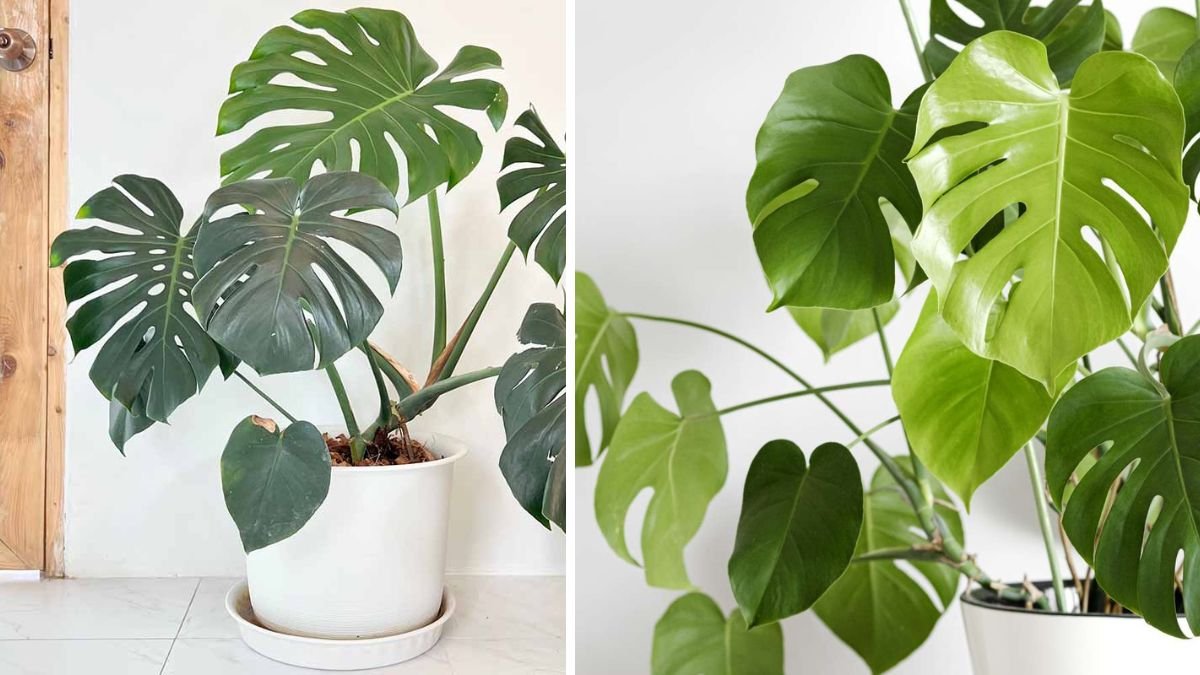
Background: Why Support & Repotting Matter for Monsteras
Monstera deliciosa is a beloved tropical houseplant known for its striking fenestrated leaves and vigorous growth. In nature, it climbs trees using aerial roots, which support rapid vertical growth. Replicating this environment indoors helps your plant thrive — leading to healthier foliage, bigger leaves, and more robust stems. Supporting a large Monstera properly is especially important when it has outgrown its previous pot or become top‑heavy. Using moss poles or wooden supports closely mimics its natural climbing habit and encourages aerial roots to attach and grow upward.
When & Why to Repot Your Monstera Deliciousa
Large Monsteras typically need repotting every 1–2 years, especially if you notice roots emerging from drainage holes or the plant becoming unstable. Repotting allows you to refresh the soil, add appropriate support, and give your plant room for future growth. Choose a new pot just 1–2 inches wider in diameter — too large a pot can hold excess moisture and increase the risk of root rot.
Recommended Potting Mix
Monsteras prefer an airy, well‑draining substrate that mimics their natural epiphytic environment. A mix with:
- Base potting soil
- Perlite or pumice for aeration
- Orchid bark or coco coir/chips for structure
- Optional worm castings or slow‑release fertilizer
…provides ideal growth conditions.
Installing a Moss Pole: Step‑by‑Step
Moss poles provide vertical support and encourage aerial roots to attach, resulting in stronger, healthier growth. Here’s how to set it up properly:
1. Choose Your Pole
Moss or coco coir poles that retain moisture are best for Monstera aerial roots. Wooden trellises or stakes work for simple support but don’t encourage root attachment the way moss poles do.
2. Insert the Pole During Repotting
Place the pole deep into the pot near the plant’s preferred growth side, ideally at repotting time to avoid damaging established roots. Make sure it reaches the bottom for maximum stability.
3. Secure the Main Stem
Use soft plant ties, velcro strips, or horticultural tape to loosely tie the main vine to the pole. Position ties at several points along the stem without constricting growth.
4. Keep the Pole Moist
Moss and similar materials retain moisture that attracts aerial roots. Misting the pole every few days or gently watering it helps aerial roots attach more quickly and adds humidity for growth.
5. Monitor & Adjust
As your Monstera grows taller, extend or replace the support with a taller pole. Regularly check ties to ensure they’re not restricting stems and adjust as needed.
Alternative & Supplementary Supports
While moss poles are ideal, other support types also work:
- Wooden Trellis or Plank: Great for very large Monsteras needing sturdy, broad support.
- Bamboo Stakes: Good for younger or lighter plants but may need more frequent tie adjustments.
- Metal Stakes: Strong and discreet, though they require ties for attachment.
Each type helps guide your plant upward, saving floor space and improving overall plant posture.
Growth Tips: Training Your Monstera With Support
Encourage Aerial Roots to Attach
Place aerial roots near the pole and mist regularly — aerial roots that reach moist moss or coir will naturally climb and anchor the plant.
Rotate for Balanced Growth
Turn your plant every few weeks so all sides receive equal light. This prevents leaning and promotes even leaf expansion around the support.
Avoid Tying Petioles
Ensure you only secure the main stem, not leaf petioles (leaf stems). Tying the wrong parts can restrict leaf movement and reduce light capture.
Growth & Leaf Development
Repotting and staking properly doesn’t just make your plant more stable — it can also accelerate growth and increase leaf size. When Monsteras climb, they mimic their natural behavior and often produce more dramatic fenestrations (that classic split leaf look) compared to sprawling plants.
Post‑Repotting Care
After repotting and installing support:
- Light: Place your Monstera in bright, indirect light. Direct sun may scorch leaves, while too little light slows growth.
- Watering: Water thoroughly until it drains, then let the top inch of soil dry between waterings. A moss pole helps maintain humidity but adjust water frequency depending on indoor conditions.
- Fertilizing: Use a balanced fertilizer during the active growing season to encourage foliage growth.
- Humidity: High humidity benefits aerial root development and overall vigor. Consider using a humidifier for drier homes.
Common Mistakes to Avoid
1. Repotting into Too Large a Pot
A pot that’s too big holds excess moisture and increases root rot risk. Instead, scale up gradually.
2. Tying Petioles Instead of Main Stem
Only tie the thicker vine to supports; leaf petioles need freedom to function normally.
3. Neglecting Pole Moisture
Dry moss poles slow aerial root attachment. Consistent misting encourages faster climbing.
Authoritative Sources & Further Reading
For gardeners seeking deeper guidance and visuals:
- Our Houseplants – Moss Poles & Climbing Supports — detailed installation and care tips.
- Monstera Guide – Repotting with Moss Pole — step‑by‑step repotting instructions.
- Monstera Expert – Support Types and Care — pro advice on moss poles, trellises, and staking.
- Ideal Home – Supporting Monsteras with Moss Poles — outdoor vs. indoor support insights.
Conclusion
Repotting your large Monstera deliciosa and adding the right support — especially a moss pole — can transform its growth. Not only will it help your plant stand taller and healthier, but it also encourages aerial root development and larger, stunning leaves. Proper support systems like moss or coir poles mimic natural climbing conditions, maximize vertical growth, and create a striking focal point in your home garden. Armed with the right techniques and care tips, you’ll set your Monstera up for vigorous growth and long‑lasting beauty!