Introduction
Winter brings beautiful snow and crisp air, but it also poses serious challenges for gardeners. One of the most insidious threats is frost heaving. This phenomenon occurs when soil repeatedly freezes and thaws, causing water in the ground to expand and lift the soil — often uprooting shallow-rooted plants, destabilizing stems, and exposing roots. Frost heaving can cause serious damage to perennials, shrubs, and newly planted specimens, weakening plants and making spring recovery more difficult.
Fortunately, there are practical strategies to protect your plants and minimize frost heave damage. In this guide, we’ll cover five essential tips to safeguard your garden this winter, with actionable advice that works in both small gardens and larger landscapes.
What Is Frost Heaving and Why It Matters
Frost heaving occurs when soil moisture freezes and expands, pushing plants upward. Unlike frost damage to leaves, frost heaving primarily affects roots and crowns, which can stunt growth or even kill the plant. Repeated freeze-thaw cycles make shallow-rooted plants especially vulnerable.
The risk of frost heaving is highest in areas with clay-heavy soils, poor drainage, and fluctuating winter temperatures. Gardeners must take preventive measures because once the soil begins to heave, plants can be stressed and difficult to reset. (homesandgardens.com)
Tip 1: Mulch Generously to Insulate the Soil
One of the simplest and most effective ways to reduce frost heaving is to apply a thick layer of organic mulch around your plants. Mulch insulates the soil, moderates temperature fluctuations, and slows the freeze-thaw cycles that cause heaving.
How to Mulch Effectively
- Spread 2–4 inches of organic material, such as straw, shredded leaves, pine needles, or bark chips.
- Apply mulch after the first light frost but before the soil freezes deeply.
- Keep mulch a few inches away from stems or crowns to prevent rot and rodent damage.
Mulching provides a stable soil environment, reduces soil movement, and keeps roots protected throughout winter. (bhg.com)
Tip 2: Plant and Divide Early
Shallow planting and late-season transplants are more prone to frost heaving. Plants with well-established, deep roots are much less likely to be pushed out of the soil by freezing and thawing cycles.
Recommended Practices
- Plant perennials, shrubs, and new transplants at least six weeks before the first expected frost to give roots time to establish.
- Divide perennials earlier in the season to ensure they settle before winter.
- Avoid late fall planting unless your winter is mild.
Giving plants adequate time to establish strong root systems anchors them securely, reducing frost heave risk and promoting healthier spring growth. (aol.com)
Tip 3: Improve Soil Structure and Drainage
Frost heaving is amplified in poorly drained soils where water accumulates and freezes. Enhancing soil structure and drainage can significantly reduce the risk.
Soil Preparation Tips
- Add organic matter, such as compost or aged manure, to improve texture and water movement.
- Build raised or gently sloped beds to help water drain before freezing occurs.
- Avoid compacting soil; aerate if necessary to allow proper air circulation.
Well-drained, loose soil minimizes water accumulation, reducing expansion during freezing and stabilizing plant roots. (bhg.com)
Tip 4: Choose Plant Types and Rooting Depth Wisely
Not all plants are equally susceptible to frost heaving. Deep-rooted species resist being pushed upward, while shallow-rooted plants are at higher risk.
Gardening Choices to Reduce Risk
- Favor deep-rooted perennials and shrubs, such as coneflowers and Joe Pye weed, in frost-prone areas.
- Avoid planting extremely shallow-rooted plants in vulnerable beds.
- For delicate or important specimens, consider container planting to move them indoors or to sheltered spaces during winter.
Selecting plants suited to your climate and soil, and placing them appropriately, significantly reduces the likelihood of frost heaving damage. (aol.com)
Tip 5: Provide Active Protection
For sensitive plants, additional protection beyond mulch is often necessary. Physical barriers can shield plants from freeze-thaw cycles and frost heaving.
Protective Methods
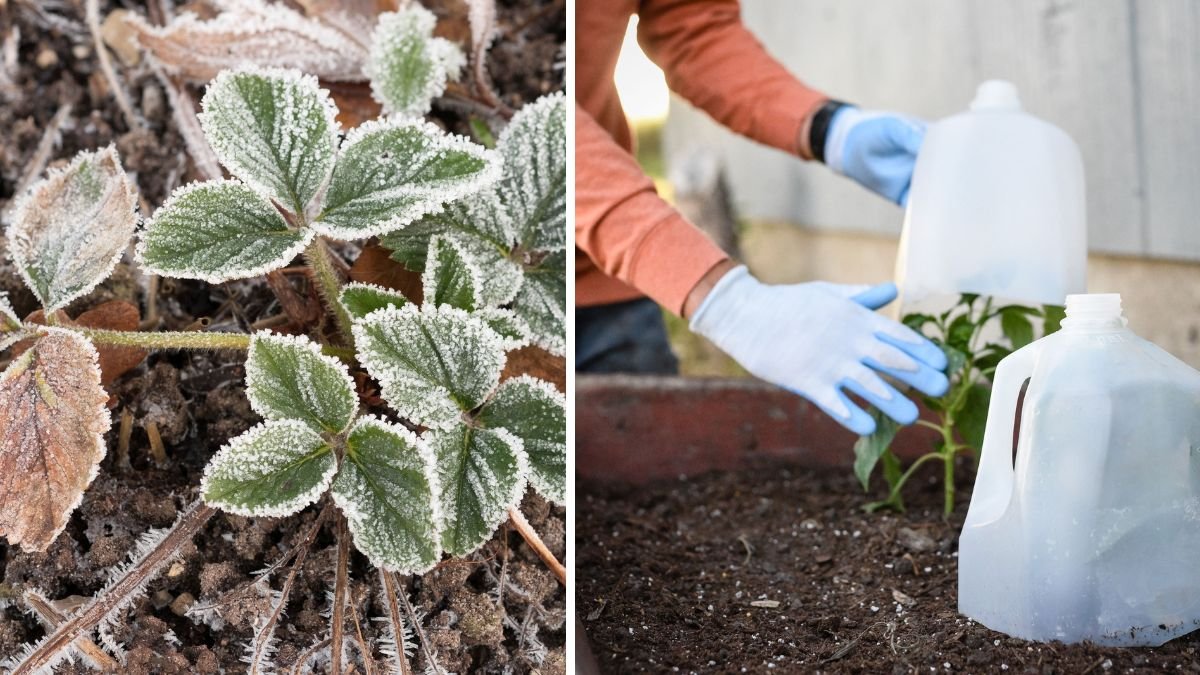
- Covers and cloches: Frost blankets, garden fabric, or cloches create an insulating buffer for soil and crowns.
- Cold frames: Portable or permanent cold frames can protect vulnerable plants from extreme temperature swings.
- Move containers indoors or to sheltered areas to prevent soil movement in potted plants.
Combining mulch with these protective strategies gives your plants an extra level of defense against winter soil movement. (gardenerssanderstead.org.uk)
Bonus Tip: Monitor and Adjust
Even with the best preparations, frost heaving can still occur in climates with frequent freeze-thaw cycles. Regularly inspect your garden:
- Check for plants lifted from the soil, tilted, or with exposed roots.
- Gently press plants back into place and cover exposed roots with soil and mulch.
- Make adjustments during winter as needed to reduce plant stress and ensure spring survival.
Quick action can prevent long-term damage and keep plants strong for the growing season. (homesandgardens.com)
Why These Strategies Work
Protecting plants from frost heaving is about stability, insulation, and timing. Each strategy addresses one of the key causes of frost heave:
- Mulch stabilizes soil temperature.
- Early planting and root establishment prevent displacement.
- Improved soil drainage reduces freezing water expansion.
- Smart plant selection minimizes risk based on rooting depth.
- Active protection shields vulnerable plants from harsh freeze-thaw cycles.
When used together, these strategies create a comprehensive defense that keeps plants safe and minimizes stress, ensuring healthier growth in spring.
Authoritative Sources & Further Reading
For gardeners seeking in-depth guidance:
- Better Homes & Gardens – Practical frost protection tips. (bhg.com)
- American Horticultural Society (AHS) – Comprehensive winter plant care. (ahs.com)
- Old Farmer’s Almanac – Seasonal frost protection and gardening advice. (almanac.com)
- Gardeners Sanderstead – Mulching, cloche, and winter structure strategies. (gardenerssanderstead.org.uk)
Conclusion
Frost heaving is a hidden but serious threat to winter gardens. By mulching properly, planting early, improving soil, choosing hardy plants, and adding protective barriers, gardeners can significantly reduce the risk of frost heave. Regular monitoring and adjustments during winter further safeguard plant health.
Following these five must-know tips ensures your plants stay stable, roots remain protected, and your garden emerges strong and healthy in spring. Proper winter preparation is an investment that pays off in reduced plant stress and more vibrant growth when the growing season returns.