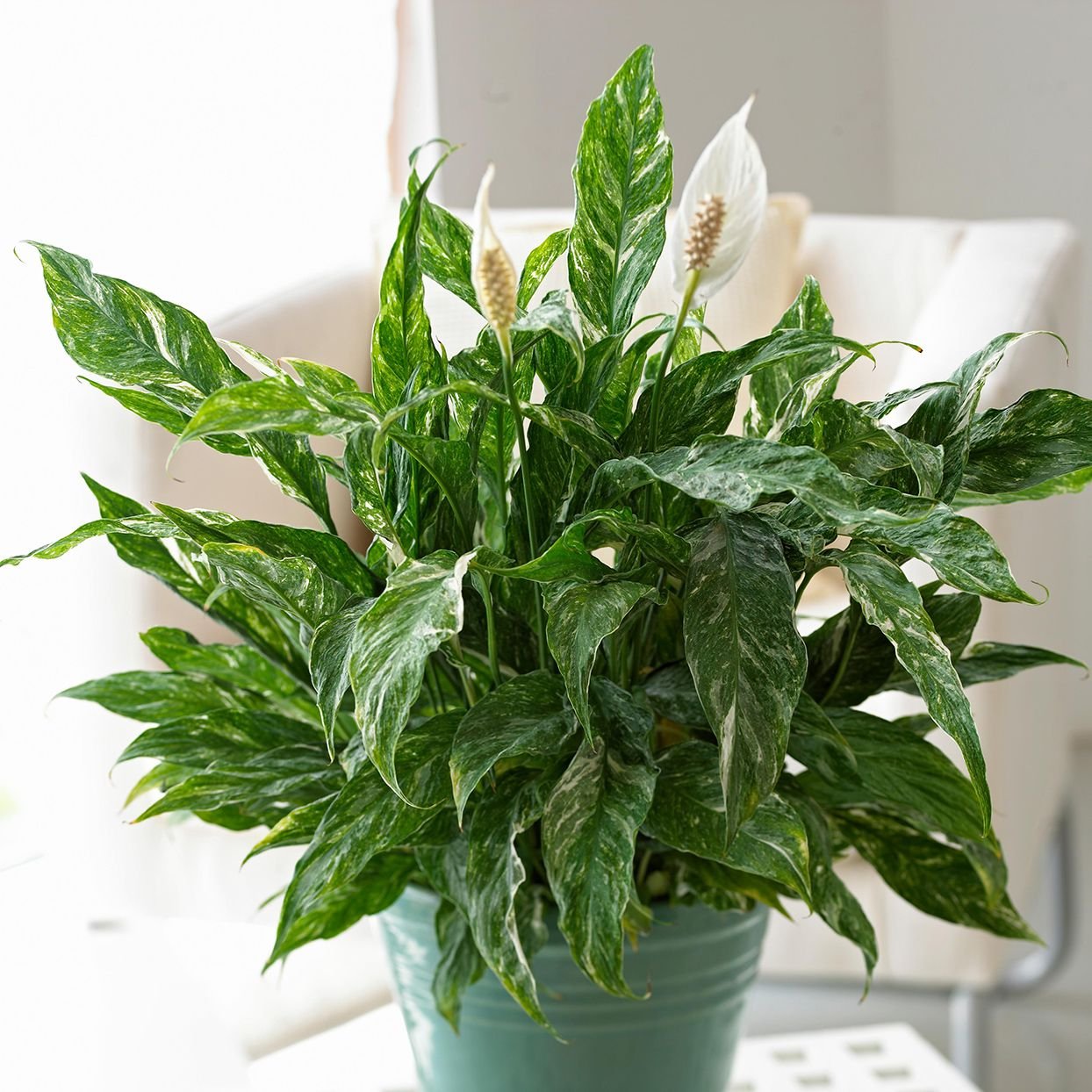
Introduction: Mastering Peace Lily Care
Peace lilies (Spathiphyllum spp.) are among the most popular houseplants, renowned for their elegant white blooms, glossy green leaves, and air-purifying qualities. But keeping a peace lily thriving year-round requires more than occasional watering — it demands consistent attention to light, water, humidity, soil, nutrients, and general care.
A healthy peace lily is a visual delight and a natural air purifier. By following expert-backed strategies, you can prevent yellowing leaves, drooping stems, and poor flowering while creating a lush indoor oasis. These 22 tricks cover everything from seasonal adjustments to everyday maintenance, helping your peace lily thrive no matter the time of year. (AOL Gardening)
Light and Placement Tips
1. Provide Bright, Indirect Light
Peace lilies flourish in filtered sunlight. Too much direct sun can scorch leaves, while insufficient light can reduce blooms. Aim for a spot with bright, indirect light to maintain foliage and flower production. (AOL Gardening)
2. Use East-Facing Windows
An east-facing window provides gentle morning light, which energizes growth without the risk of scorching. This is ideal for consistent, balanced lighting. (Tom’s Guide)
3. Avoid Harsh Midday Sun
Direct afternoon sun can dry out soil and burn leaves. Position your plant away from harsh light or use sheer curtains to diffuse it. (Times of India)
4. Rotate the Plant Regularly
Turning your peace lily a quarter turn with each watering ensures even growth and prevents leaves from leaning toward a single light source. (Backyard Garden Lover)
5. Adjust Seasonal Placement
During winter’s short days, move the plant closer to light sources; in summer, provide a bit more shade to protect from intense sunlight. Seasonal adjustments optimize growth and blooming. (Houseplant Authority)
Watering and Humidity Tricks
6. Water Based on Soil Moisture
Rather than following a rigid schedule, check soil moisture. Water when the top inch feels dry. Peace lilies are sensitive to both overwatering and drought. (AOL Gardening)
7. Water Thoroughly, Then Drain Excess
Ensure water drains from the bottom, then remove excess to prevent root rot. Consistent drainage is key to healthy roots. (AOL Gardening)
8. Maintain High Humidity
Peace lilies thrive in humidity levels around 60%. Use misting, pebble trays with water, or a humidifier to replicate their natural tropical environment. (AOL Gardening)
9. Use Filtered or Distilled Water
Tap water may contain chlorine or fluoride, causing brown leaf tips. Filtered or distilled water reduces chemical stress. (Houseplant Authority)
10. Avoid Cold Drafts
Protect the plant from cold drafts and sudden temperature swings from AC vents or open windows. Optimal indoor temperatures are 18–27°C. (The Botanic Home)
Soil, Fertilizer, and Potting Tips
11. Choose a Pot with Drainage
A pot with drainage holes is essential to prevent waterlogging and root rot. (AOL Gardening)
12. Use Well-Draining Soil
A mix of peat moss, perlite, and bark keeps the soil moist yet aerated, supporting healthy root development. (Greenth)
13. Repot Every 1–2 Years
Repotting provides fresh soil, more nutrients, and room for root expansion, which promotes vigorous growth and blooms. (AOL Gardening)
14. Loosen the Root Ball Gently
When repotting, gently tease apart roots to encourage outward growth instead of circling the pot, which can inhibit nutrient absorption. (Tom’s Guide)
15. Fertilize Wisely
Feed with a balanced liquid fertilizer every 6–8 weeks in spring and summer at half strength. Reduce or stop feeding in fall and winter when growth slows. (AOL Gardening)
Maintenance and Observation
16. Clean Leaves Regularly
Dust blocks light absorption. Wipe leaves with a damp cloth or rinse them gently under lukewarm water monthly. (AOL Gardening)
17. Prune Dead or Yellow Leaves
Trimming unhealthy leaves at the base directs energy toward healthy growth and keeps the plant attractive. (Houseplant Authority)
18. Remove Spent Flowers
Once flowers fade, snip the stalk at the base. This prevents energy loss and encourages new blooms. (Homes & Gardens)
19. Inspect for Pests Weekly
Check for spider mites, mealybugs, scale, or aphids. Early intervention with neem oil or insecticidal soap prevents infestations. (Houseplant Authority)
20. Monitor Temperature Stability
Avoid areas with frequent drafts or temperature swings, which stress the plant and reduce bloom quality. (The Botanic Home)
Seasonal Care Strategies
21. Adjust Watering and Feeding by Season
Spring and summer require more water and nutrients, while fall and winter need less, reflecting the plant’s natural growth cycles. (AOL Gardening)
22. Observe and Respond to Plant Signals
Peace lilies communicate through leaves and stems. Drooping leaves indicate thirst, while yellowing may indicate excess light, poor soil, or overwatering. Learning to read these cues ensures proactive, effective care. (Better Homes & Gardens)
Suggested Authoritative Sources
- Houseplant Authority – Peace Lily Care Tips: In-depth maintenance and repotting advice. (Houseplant Authority)
- Tom’s Guide – Placement and Blooming Advice: Optimize light exposure and flowering. (Tom’s Guide)
- AOL Gardening – 22 Hacks for Healthy Peace Lily: Updated seasonal care tips. (AOL Gardening)
- Better Homes & Gardens – Watering & Seasonal Signals: Interpreting plant health cues. (BHG)
Final Thoughts: A Thriving Peace Lily Year-Round
By integrating these 22 care tips into your routine, you can enjoy a lush, vibrant peace lily throughout the year. From watering strategies to humidity management, seasonal adjustments, and pest prevention, each tip contributes to strong foliage, abundant blooms, and long-term plant health.
Peace lilies thrive when you observe, adjust, and respond. With consistent care, they become resilient, beautiful, and a centerpiece in any home — offering a touch of tropical elegance and natural air purification all year round.