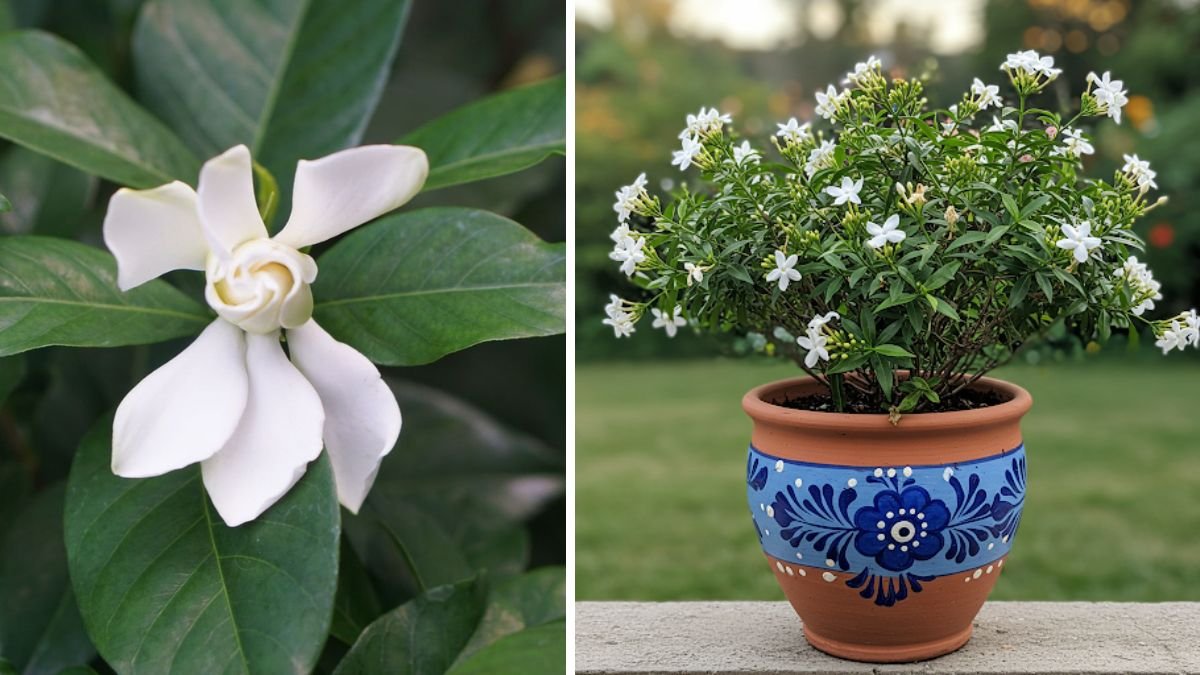
Introduction: Why Jasmine Sambac Is a Gardener’s Favorite
Jasmine sambac, also known as Pikake in Hawaiian culture or Arabian jasmine, is a small, tropical evergreen shrub admired for its intensely fragrant white blossoms. Its intoxicating scent has made it a favorite for perfumery, teas, and traditional flower garlands. Growing Jasmine sambac in pots allows gardeners to enjoy this beauty both indoors and outdoors, even in areas where winter temperatures dip below what the plant tolerates.
Whether you are a beginner or an experienced gardener, this guide covers everything you need to know about light, soil, watering, pruning, and training, ensuring your jasmine thrives in a container environment.
Light and Location: Choosing the Perfect Spot
Outdoor Placement
Jasmine sambac thrives in full sunlight, ideally receiving 6–8 hours of sun daily. Morning sun with light afternoon shade works best in hot climates, preventing leaf scorch. For balcony or patio gardeners, positioning pots where the plant gets abundant early sunlight can maximize growth and flower production.
Indoor Placement
Indoors, a south- or east-facing window provides bright, indirect light. If sunlight is insufficient, supplement with a full-spectrum LED grow light for 10–12 hours daily. Adequate light is critical for flowering and maintaining lush foliage.
Choosing Pots and Soil
Best Containers
Select a 1–3 gallon pot with good drainage holes. Terracotta is ideal because it allows excess moisture to evaporate, preventing root rot. As your plant grows, gradually repot up to a 5-gallon container to accommodate root expansion.
Ideal Soil Mix
Use a well-draining potting mix enriched with organic matter such as peat moss, perlite, or compost. This mix ensures sufficient aeration while retaining moisture. Avoid heavy garden soil, which can hold excess water and cause root rot.
Watering, Humidity, and Temperature
Watering Basics
Water Jasmine sambac when the top inch of soil feels dry. Potted plants dry faster than garden beds, so check soil moisture frequently, especially in warm weather. Keep the soil consistently moist, but never waterlogged.
Humidity Needs
Jasmine sambac thrives in high humidity (50% or higher). Indoors, use a pebble tray or humidifier to maintain moisture. Grouping plants together can also elevate ambient humidity naturally.
Temperature Preferences
Maintain daytime temperatures between 65–75°F (18–24°C). Protect from cold drafts and frost. In winter, move outdoor pots indoors or to a sheltered location to mimic the plant’s tropical environment.
Fertilizing Your Jasmine
Growing Season Feeding
From spring through early fall, apply a balanced fertilizer (10-10-10) monthly. For more blooms, switch to a bloom-boosting fertilizer with a higher phosphorus content every 4–6 weeks.
Winter Slow-Down
During cooler months, reduce fertilizing and watering. The slight drop in activity simulates a natural rest period, preparing the plant for vigorous growth and flowering in the next season.
Pruning and Training for Shape and Blooms
Regular Pruning
Prune after flowering to remove dead, damaged, or leggy stems. Regular trimming encourages a bushier plant and more abundant blooms, keeping your potted jasmine healthy and attractive.
Training Supports
If you want a climbing or espalier effect, guide stems onto a trellis, arch, or moss pole. Use soft ties to gently secure vines without damaging them. This is ideal for small spaces or vertical gardens, adding both structure and fragrance.
Indoor vs. Outdoor Growth Considerations
Indoor Care
- Best for cold climates or winter months.
- Requires bright light or supplemental grow lights.
- Humidity control is crucial to prevent dry indoor air from affecting buds.
Outdoor Care
- Provides strong natural light and airflow.
- Needs protection from extreme heat and frost.
- Partial shade is recommended in hot climates to prevent leaf burn.
Both environments can support thriving Jasmine sambac with proper attention to light, watering, and training.
Common Problems and How to Solve Them
Lack of Flowers
If your jasmine is not blooming, it’s usually due to insufficient light or inconsistent watering. Ensure it receives at least 6–8 hours of sun or adequate artificial light, and maintain a regular watering schedule without overwatering.
Root Rot
Root rot occurs when soil is soggy for extended periods. Always use pots with drainage holes and well-draining soil. Avoid letting water sit at the bottom of the container.
Leaf Drop
Leaf drop is often caused by temperature fluctuations or low humidity. Improve air humidity with a pebble tray, humidifier, or by grouping plants together. Avoid placing the plant near cold drafts or heating vents.
Step-by-Step Tutorial for Potted Jasmine Sambac
- Pick a sunny spot: 6–8 hours of morning sun outdoors, or bright light indoors.
- Choose the right pot: Start with a 1–3 gallon container with drainage holes.
- Use well-draining soil: Mix peat moss, perlite, and organic matter.
- Water appropriately: Only when the top inch of soil is dry.
- Fertilize during the growing season: Use balanced fertilizer, then bloom-boosting fertilizer as needed.
- Prune and train: Shape the plant after flowering and guide vines onto supports if desired.
- Protect in winter: Move pots indoors or to a sheltered location in cold climates.
Propagation Tips
Jasmine sambac is easily propagated through softwood cuttings. Select a healthy, non-flowering stem about 4–6 inches long. Remove the lower leaves, dip the cut end in rooting hormone, and plant in moist, well-draining soil. Keep in a warm, humid environment until roots develop, which usually takes 4–6 weeks.
Additional Tips for Indoor Fragrance
- Rotate pots regularly to expose all sides to light, promoting even growth and flowering.
- Mist leaves lightly to increase humidity and fragrance intensity.
- Remove spent flowers to encourage more blooms and prevent disease.
Suggested Authoritative Sources
- Biology Insights: Comprehensive outdoor care guide for Jasmine sambac. Biology Insights
- Vine Plants Directory: Indoor/outdoor care and propagation tips. Vine Plants Directory
- StarterPlant: Container gardening for Jasmine sambac. StarterPlant
- Times of India: Balcony and container gardening tips. Times of India
Final Thoughts
Growing Jasmine sambac / Pikake in pots is both rewarding and practical. With proper light, soil, watering, pruning, and training, this fragrant plant can thrive indoors and outdoors, filling your home or garden with captivating blooms and intoxicating fragrance. Whether you’re a beginner or an experienced gardener, following these steps ensures your Jasmine sambac will flourish year after year.
Start your container garden today and enjoy the aromatic delight of Pikake blossoms wherever you are