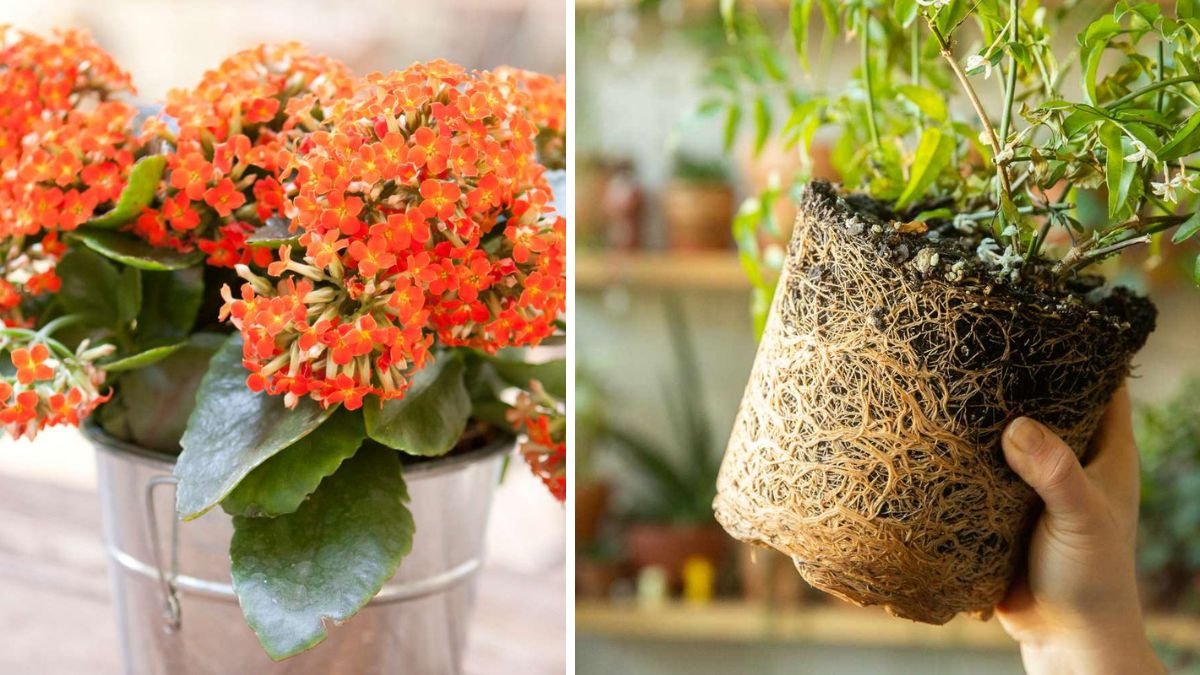
Indoor plants bring life, color, and serenity into our homes, but few things delight more than seeing a plant produce abundant, stunning blooms. Interestingly, some indoor plants actually bloom more profusely when rootbound—a condition where their roots fill the pot and have little space to expand. This might seem counterintuitive, but in nature, limited root space mimics mild stress conditions, signaling the plant to reproduce before resources run out.
Understanding which plants thrive under these conditions and how to care for them can help indoor gardeners maximize floral displays. In this article, we explore 6 indoor plants that bloom beautifully when rootbound, along with care tips to keep your houseplants healthy while encouraging vibrant flowers. Perfect for plant enthusiasts looking to leverage [FOCUS KEYWORD].
1. Peace Lily (Spathiphyllum)
Vase Life / Blooming Condition: Peak flowering occurs when slightly rootbound
Peace lilies are one of the most popular indoor flowering plants, celebrated for their iconic white spathes and lush green leaves. When slightly rootbound, peace lilies shift energy from root expansion to bloom production. This means they often reward gardeners with more frequent and longer-lasting flowers under mild root stress.
Care Tips:
- Keep soil evenly moist but avoid waterlogging.
- Place in bright, indirect light for optimal bloom formation.
- Maintain moderate humidity to encourage spathe longevity.
Bloom Reward: Elegant white flowers appear multiple times a year, creating a striking contrast against deep green foliage. With mild root restriction, these blooms are often fuller and more prolific. (Balcony Garden Web)
2. African Violet (Saintpaulia)
Vase Life / Blooming Condition: Prefers snug pots for year-round blooms
African violets are tiny powerhouses of color. Unlike many houseplants, they often produce more flowers when their roots are confined, while overpotting can delay flowering. Slight root stress encourages the plant to direct its energy toward reproduction rather than root expansion.
Care Tips:
- Use a shallow pot with well-draining soil.
- Place in bright, indirect light.
- Keep soil evenly moist but avoid splashing water on the leaves.
Bloom Reward: Small but vibrant flowers in purple, pink, white, or violet emerge continuously, making African violets a perfect choice for indoor gardeners seeking color year-round. (Balcony Garden Web)
3. Christmas Cactus (Schlumbergera)
Vase Life / Blooming Condition: Thrives in snug pots to encourage winter blooms
Christmas cactus, or holiday cactus, is native to South American forests where it naturally grows in tight crevices. This plant flowers best when slightly rootbound, as restricted roots signal it to bloom. Mild stress during late summer or early fall encourages the production of vibrant, tubular flowers around the holiday season.
Care Tips:
- Provide bright, indirect light and avoid direct sun.
- Water moderately, reducing watering after flowering.
- Cool night temperatures in autumn help flower bud development.
Bloom Reward: Tubular flowers in red, pink, yellow, or white brighten indoor spaces, offering a festive display. Rootbound conditions often increase flower number and size. (Balcony Garden Web)
4. Kalanchoe (Kalanchoe blossfeldiana)
Vase Life / Blooming Condition: Short-day succulent blooms more when root-restricted
Kalanchoe is a succulent known for clusters of small, vivid flowers. Slightly rootbound conditions and shorter daylight hours signal the plant to produce blooms. Unlike water-loving houseplants, kalanchoe stores energy in thick leaves, making it resilient and responsive to mild root stress.
Care Tips:
- Allow soil to dry slightly between watering.
- Bright light or a few hours of morning sun improves flowering.
- Cool nights in autumn can help initiate flower buds.
Bloom Reward: Clusters of flowers in orange, red, yellow, or pink brighten any indoor space, and slightly rootbound plants often bloom more profusely than those in oversized pots. (Balcony Garden Web)
5. Hoya (Wax Plant)
Vase Life / Blooming Condition: Small root spaces encourage flowering on spurs
Hoyas are slow-growing climbers that produce fragrant, star-shaped flowers. While they do not require tight pots, mild root restriction can stimulate flowering. Flowers grow from previous-year spurs, so keeping older stems intact is key to maximizing blooms.
Care Tips:
- Plant in well-draining, airy soil to prevent root rot.
- Bright, indirect light promotes flower formation.
- Avoid cutting old flower spurs — new blooms emerge from them.
Bloom Reward: Clusters of waxy, star-shaped flowers appear in pink, white, or red hues, often emitting a sweet fragrance. Slightly rootbound plants are more likely to bloom consistently. (Wikipedia)
6. Epiphyllum (Orchid Cactus)
Vase Life / Blooming Condition: Prefers snug pots to encourage large, showy blooms
Epiphyllums, also known as orchid cacti, naturally grow in tight spaces in tropical forests. When slightly rootbound, they shift energy into flowering rather than root expansion. These plants produce large, spectacular blooms, often night-blooming and highly fragrant, in response to mild root stress.
Care Tips:
- Provide bright, indirect light, with a few morning sun hours.
- Water when the topsoil dries, especially during the growing season.
- Avoid overwatering in winter to prevent root rot.
Bloom Reward: Flowers range from white to deep red and are often larger than the plant’s foliage, creating a dramatic display indoors. (Make House Cool)
Why Rootbound Conditions Encourage Blooming
When a plant’s roots fill the pot, growth slows naturally. The plant interprets this as a signal of limited resources and responds by directing energy toward reproduction — flowering — rather than root expansion. This is a survival strategy observed in nature, particularly in epiphytic species or plants that grow in compact spaces. Slight root stress triggers abundant, vibrant blooms, but over-restriction or neglect can damage the plant. (Balcony Garden Web)
Expert Tips for Managing Rootbound Flowering
- Avoid excessive overcrowding: Only rely on rootbound conditions once plants are mature and healthy.
- Choose the right pot size: Incrementally increase pot size if necessary; avoid oversized pots.
- Monitor water carefully: Rootbound plants dry out faster; keep soil consistently moist (or slightly dry for succulents).
- Provide proper light and temperature: Bright, indirect light and stable temperatures help trigger flowering.
- Do not remove old flower spurs (for Hoya and similar plants): New blooms emerge from previous-year stems.
By combining these strategies with careful observation, indoor gardeners can encourage more frequent and spectacular blooms while maintaining plant health.
Authoritative Sources
For further reading and expert guidance on indoor plants that bloom when rootbound:
- 6 Indoor Plants That Flower More When Rootbound — Balcony Garden Web (balconygardenweb.com)
- Houseplants That Like to Be Rootbound — Plant care tips for low-repot species (plantisima.com)
- Hoya carnosa profile — Botanical overview (Wikipedia)
- Kalanchoe blossfeldiana — Succulent flowering plant guide (Wikipedia)
Conclusion: Encourage Vibrant Indoor Blooms
Indoor gardeners looking to maximize flowering potential can leverage slightly rootbound conditions to their advantage. From the elegant peace lily to the fragrant Hoya and spectacular epiphyllum, these six plants demonstrate how a little root stress can translate into more abundant, stunning blooms.
By combining the right pot size, careful watering, adequate light, and attention to plant-specific needs, you can ensure consistent indoor flowering and make the most of [FOCUS KEYWORD]. Whether for home décor, gifts, or simply enjoying nature indoors, these plants reward careful management with vibrant, long-lasting flowers that elevate any space.