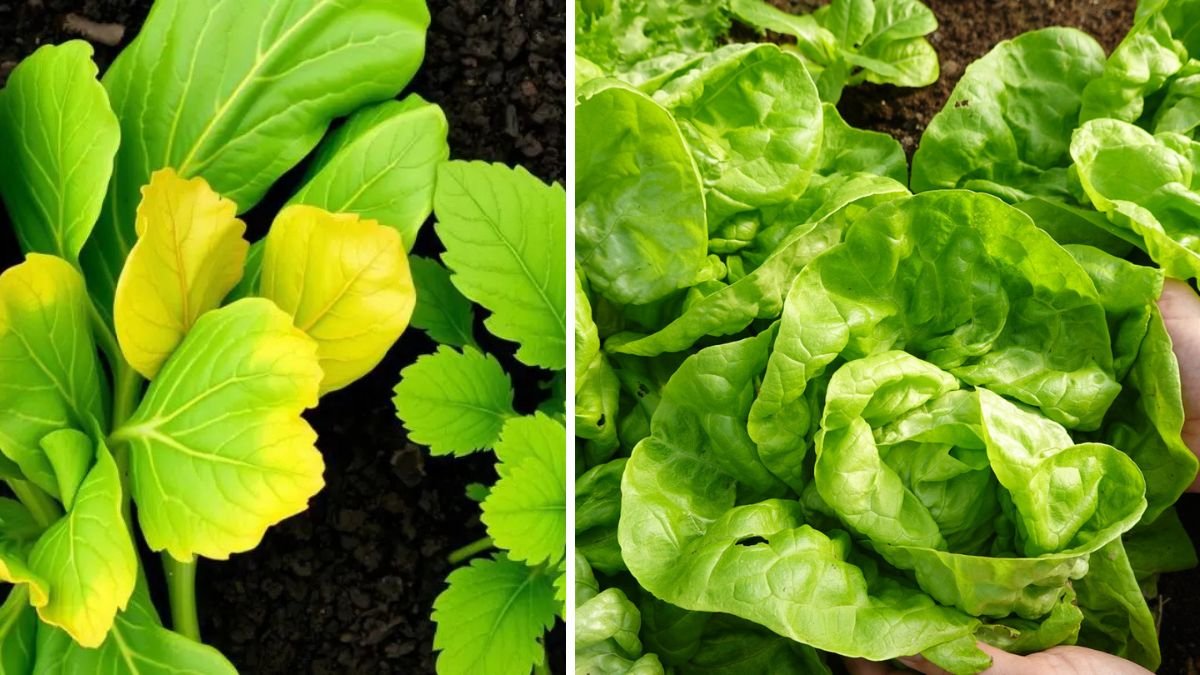
Leafy greens, including lettuce, spinach, kale, and Swiss chard, are staples in both home gardens and commercial farms. These crops are nutrient-dense and fast-growing, but they are also susceptible to disease and stress if not properly nourished. Choosing the right fertilizer is crucial not only for boosting growth and leaf quality but also for enhancing disease resistance.
Recent research shows that fertilizers are no longer just nutrient sources—they are also tools to strengthen plant immunity, improve root development, and reduce vulnerability to pathogens. From organic blends to specialized NPK formulations, modern fertilizers support both plant health and sustainability. (fertilizer.org)
This article explores how fertilizers help leafy greens thrive, the types of fertilizers best suited for disease prevention, and practical tips for optimal plant nutrition.
How Fertilizer Nutrients Support Leafy Greens
Proper fertilization provides essential nutrients that leafy greens need for lush foliage, rapid growth, and improved resilience against disease.
Nitrogen (N)
Nitrogen is essential for vegetative growth and deep green leaves. A nitrogen deficiency can cause slow growth, yellowing, and weak leaves, making plants more prone to disease. Balanced nitrogen fertilization ensures vigorous leaf production and overall plant vitality. (extension.umn.edu)
Phosphorus (P)
Phosphorus supports strong root development and energy transfer, allowing leafy greens to absorb water and nutrients efficiently. Healthy roots reduce stress and increase disease resistance by strengthening overall plant structure.
Potassium (K)
Potassium enhances stress tolerance and disease resistance. It strengthens cell walls and helps regulate water movement, reducing the likelihood of fungal infections and other stress-related disorders. (extension.oregonstate.edu)
Micronutrients
Micronutrients such as iron, zinc, manganese, and boron are vital for photosynthesis, enzyme activation, and maintaining healthy cell walls. Micronutrient deficiencies can make leafy greens more susceptible to disease and physiological disorders. (greenwaybiotech.com)
Top Fertilizers for Growth and Disease Protection
1. Specialized Leafy Green Fertilizers
Commercial fertilizers formulated specifically for leafy greens contain a balanced NPK ratio with chelated micronutrients. These blends support rapid leaf growth and strengthen plants against diseases. They are available as granules or water-soluble solutions suitable for soil application, hydroponics, or foliar sprays. (risso-chemical.com)
2. Organic Fertilizers
Organic fertilizers such as compost, fish emulsion, worm castings, and seaweed extracts provide nutrients while improving soil health and microbial activity. Healthy soil supports natural plant defenses, reducing the need for chemical interventions. (gardenbotany.com)
- Compost improves soil structure and provides slow-release nutrients.
- Fish emulsion offers quick nitrogen for greener leaves. (bhg.com)
- Seaweed extract contains bioactive compounds that enhance stress tolerance and plant immunity. (en.wikipedia.org)
3. Neem-Enriched Fertilizers
Fertilizers infused with neem or plant extracts combine nutrition with natural antifungal and pest-inhibiting properties. Neem-enriched fertilizers can reduce disease incidence while feeding plants, providing an integrated approach to growth and protection. (ubuy.tg)
4. Beneficial Microbial Inoculants
Microbial inoculants, also called biofertilizers, enhance nutrient absorption and stimulate systemic acquired resistance (SAR) in leafy greens. These inoculants improve root growth and soil health, enabling plants to resist pathogens such as leaf spot and root rot. (en.wikipedia.org)
5. Foliar Fertilization
Foliar sprays deliver nutrients directly to the leaves, offering quick correction of deficiencies and supporting disease resistance. Foliar feeding is especially effective during early growth stages to boost chlorophyll content and overall vigor. (lebosol.de)
Research Insights
- Organic fertilizers can enhance nutritional quality while reducing harmful nitrate accumulation in leafy greens. (pmc.ncbi.nlm.nih.gov)
- Microbial biofertilizers promote resistance to biotic and abiotic stresses, enhancing plant performance. (jetir.org)
- Advanced techniques, such as nanofertilizers, show promise in improving nutrient uptake and stress tolerance sustainably. (timesofindia.indiatimes.com)
Best Practices for Fertilizing Leafy Greens
Test Your Soil
Soil testing ensures the correct balance of nitrogen, phosphorus, potassium, and micronutrients, preventing over-fertilization and nutrient imbalances.
Fertilize at Key Growth Stages
- Apply fertilizers at transplanting and during active vegetative growth for optimal leaf expansion.
- Foliar sprays during rapid growth phases can correct deficiencies and improve plant health.
Rotate Crops
Rotating leafy greens with other vegetables helps break disease cycles and reduces soil pathogen buildup.
Combine Fertilizer with Cultural Practices
Good irrigation, plant spacing, and pest management complement fertilization, enhancing growth and reducing disease risk.
Recommended Authoritative Sources
- PaudheWale – 10 Best Fertilizers for Leafy Greens: Practical organic and chemical options. (paudhewale.com)
- GardenBotany – Organic Fertilizers for Leafy Greens: Soil amendments for healthier crops. (gardenbotany.com)
- Wikipedia – Microbial Inoculants: Overview of biofertilizers that boost plant immunity. (en.wikipedia.org)
- Times of India – Nutrient Research on Lettuce: Advances in nutrient management and disease protection. (timesofindia.indiatimes.com)
Conclusion
The right fertilizer does more than feed leafy greens — it strengthens plants, enhances disease resistance, and supports sustainable growth. Choosing fertilizers enriched with nitrogen, phosphorus, potassium, micronutrients, neem extracts, or beneficial microbes ensures healthy, vigorous crops season after season.
By combining balanced nutrition with soil testing, crop rotation, foliar feeding, and careful cultural practices, gardeners and farmers can maximize yield, improve leaf quality, and reduce disease pressure. With the right fertilizer strategy, leafy greens can thrive, providing nutrient-rich, lush foliage for every garden or farm.