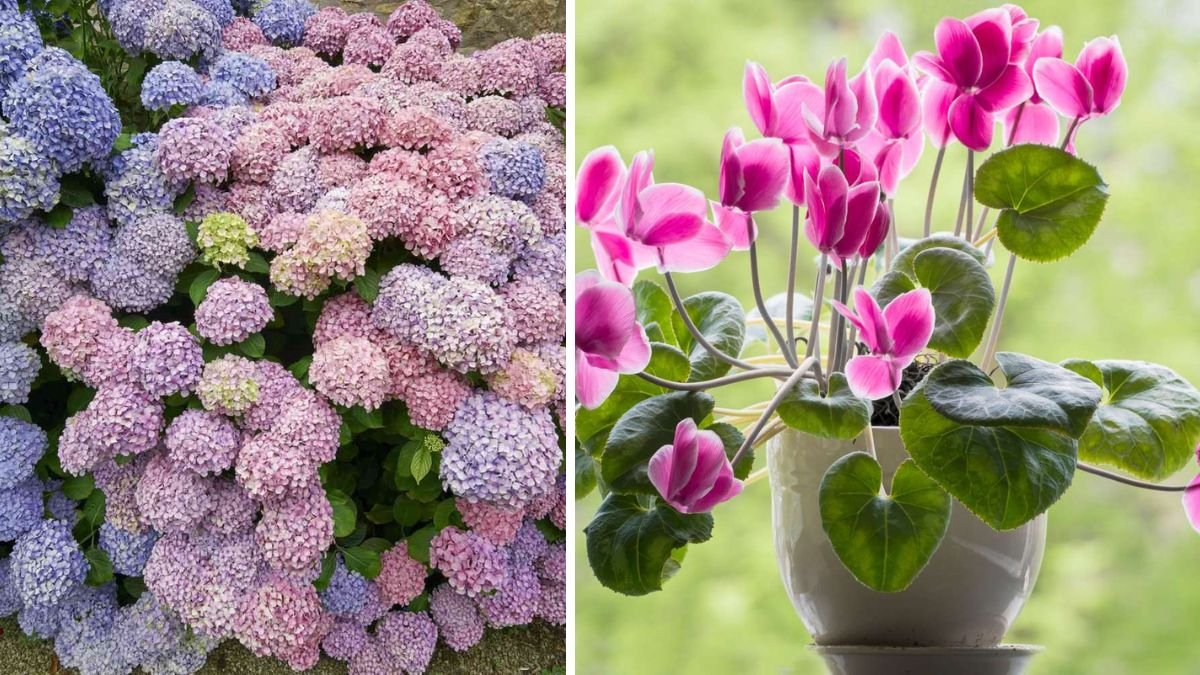
Gardening is not only about planting seeds—it’s also about multiplying the beauty you already love. Many flowers can be cloned, or propagated, from cuttings, division, or other methods, allowing gardeners to expand their garden without buying new plants. According to horticulture experts, propagation is a cost-effective way to preserve favorite varieties, create gifts for friends, and ensure a consistent display of blooms year after year.
This guide explores 15 stunning flowers that are particularly easy to clone, explains simple propagation methods, and offers tips to maximize success.
Why Cloning Flowers Is Beneficial
Cloning flowers offers multiple advantages:
- Cost savings: No need to buy new plants each season.
- Preserve favorite varieties: Maintain the exact characteristics of beloved blooms.
- Faster growth: Propagated plants often mature more quickly than seed-grown plants.
- Garden expansion: Multiply your collection efficiently.
- Gift potential: Share cuttings with friends or community gardens.
Experts note that some plants naturally respond better to propagation, and choosing the right method is key to success.
Step 1: Understand Propagation Methods
There are several ways to clone flowers:
- Stem cuttings: Most common method for perennials, annuals, and shrubs. Take a healthy stem, remove lower leaves, and place it in water or soil.
- Leaf cuttings: Works well for plants like begonias and African violets; leaves can generate roots and new plants.
- Division: Divide established plants at the root system for instant clones; ideal for clumping perennials.
- Layering: Bend a stem to the soil and let roots develop before cutting it free; perfect for plants that resist cuttings.
The method chosen depends on the species and time of year.
Step 2: Select Easy-to-Clone Flowers
Here are 15 beautiful flowers that propagate easily, with tips for each:
1. Geraniums (Pelargonium spp.)
- Method: Stem cuttings in soil or water.
- Tip: Take 4–6 inch cuttings and remove lower leaves; roots form within 2–3 weeks.
2. Petunias
- Method: Stem cuttings in a moist propagation mix.
- Tip: Keep cuttings warm and humid; mist daily for best results.
3. Begonias
- Method: Leaf or stem cuttings.
- Tip: Place leaf cuttings on damp soil; small roots will appear in weeks.
4. Hydrangeas
- Method: Softwood cuttings in spring or hardwood cuttings in fall.
- Tip: Ensure at least two leaf nodes per cutting; keep soil consistently moist.
5. Fuchsias
- Method: Softwood stem cuttings.
- Tip: Pinch off flowering tips to encourage root growth rather than bloom.
6. Roses
- Method: Semi-hardwood cuttings in late summer or hardwood cuttings in winter.
- Tip: Dip cut ends in rooting hormone and keep in a humid environment.
7. Coleus
- Method: Stem cuttings in water or soil.
- Tip: Roots appear quickly, making this ideal for beginners.
8. Lavender
- Method: Softwood cuttings in early summer.
- Tip: Use well-draining soil; keep in bright but indirect light until roots form.
9. Marigolds
- Method: Seedling cuttings or side shoots in soil.
- Tip: Cloning is optional as they grow easily from seed, but cuttings allow for exact color preservation.
10. Pansies and Violas
- Method: Leaf cuttings for specific hybrid varieties.
- Tip: Keep soil lightly moist and shaded until roots form.
11. Dahlias
- Method: Division of tubers in early spring.
- Tip: Each tuber section should have at least one “eye” or growth bud.
12. Hostas
- Method: Division of clumps in spring or fall.
- Tip: Cut away damaged leaves and ensure each section has roots attached.
13. African Violets
- Method: Leaf cuttings in moist soil or water.
- Tip: Remove leaf petiole to about 1–2 inches; tiny plantlets emerge in 3–6 weeks.
14. Snapdragons
- Method: Softwood stem cuttings in spring.
- Tip: Keep cuttings under indirect light to prevent wilting.
15. Chrysanthemums
- Method: Stem cuttings in spring or summer.
- Tip: Rooting hormone encourages faster root formation; maintain consistent moisture.
Step 3: Prepare Cuttings for Success
Experts recommend the following preparation steps:
- Select healthy growth: Choose disease-free, vigorous stems or leaves.
- Trim properly: Remove flowers or excess leaves to direct energy to root development.
- Use clean tools: Sterilize scissors or pruners to prevent infections.
- Optional rooting hormone: Speeds up root development, especially for woody plants.
- Provide proper environment: Warm, humid conditions with bright, indirect light promote successful rooting.
Proper preparation significantly increases propagation success rates.
Step 4: Care for New Plants
Once roots start to form:
- Gradually acclimate plants to normal light and soil conditions.
- Water consistently but avoid waterlogging, which can cause rot.
- Fertilize lightly once roots are established.
- Transplant to larger pots or garden beds when strong enough.
Experts emphasize patience; even easy-to-clone plants benefit from careful, consistent attention in their early stages.
Step 5: Troubleshooting Common Issues
- Wilting cuttings: Often caused by low humidity or overexposure to light; mist or cover to maintain moisture.
- Rotting stems: Ensure well-draining soil and avoid excess water.
- Slow root development: Use rooting hormone or move cuttings to slightly warmer, brighter location.
By monitoring plants closely, most propagation failures can be avoided.
Step 6: Advantages of Propagating Your Own Flowers
- Expand your garden affordably: One plant can become many.
- Preserve rare or hybrid varieties: Cloning maintains flower color, pattern, and form.
- Share with friends or neighbors: Propagated plants make thoughtful gifts.
- Enhance gardening skills: Propagation teaches observation, patience, and plant care.
- Encourage sustainability: Reduce reliance on commercial plant production.
Experts highlight that propagation deepens your connection to your garden and ensures its long-term beauty.
Step 7: Seasonal Timing
- Spring and early summer: Ideal for softwood cuttings, such as geraniums and fuchsias.
- Late summer: Semi-hardwood cuttings, like roses, perform well.
- Fall and winter: Division of perennials or hardwood cuttings.
Timing affects rooting success, so following seasonal guidelines maximizes results.
Final Thoughts
Cloning flowers is a simple and rewarding way to multiply your favorite plants and preserve their unique beauty. According to horticulture experts, plants like geraniums, hydrangeas, begonias, and African violets respond particularly well to propagation methods such as stem cuttings, leaf cuttings, and division.
By selecting healthy material, preparing cuttings carefully, and maintaining appropriate light, moisture, and temperature, gardeners can easily expand their collection, save money, and create a vibrant, self-sustaining garden.
Whether you’re preserving treasured hybrids or simply increasing the number of your favorite blooms, these 15 beautiful, easily cloned flowers allow you to enjoy more color, texture, and life in your garden year after year.