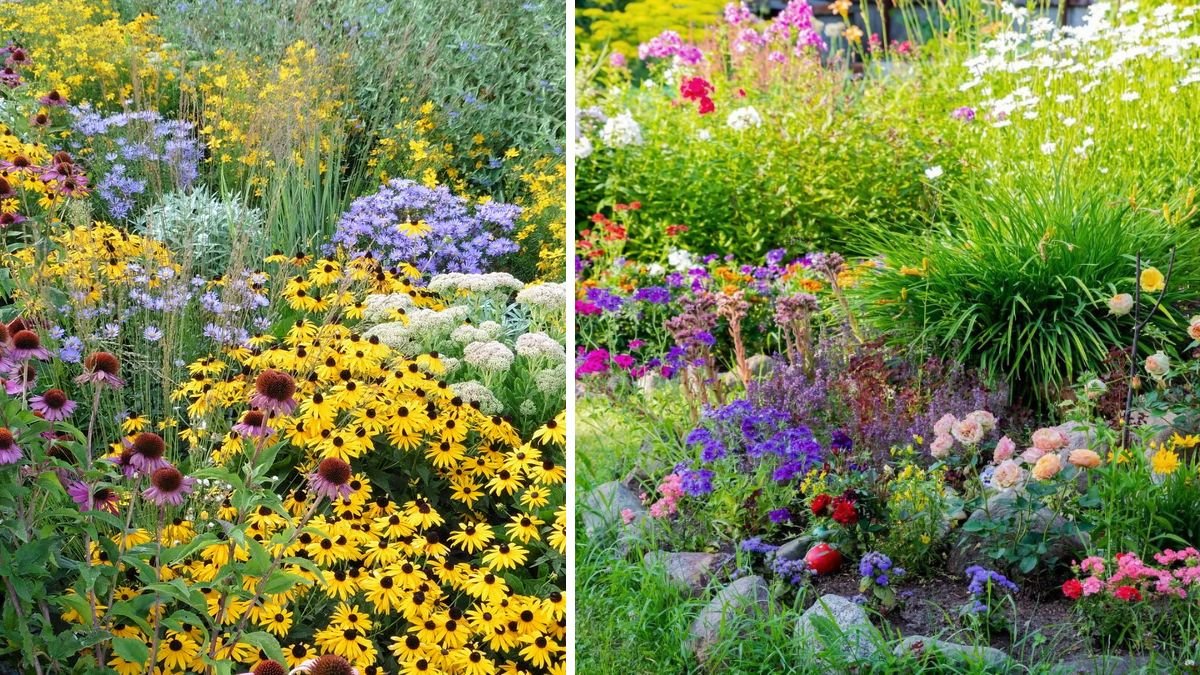
Perennials are the backbone of any resilient garden. Unlike annuals that need replanting every season, perennials return year after year, saving time, effort, and money while providing consistent color, texture, and structure. According to horticulture experts, choosing the right long-lived perennials can transform your garden into a self-sustaining, beautiful landscape that requires minimal maintenance.
This guide explores essential perennials that, once planted, will remain reliable fixtures in your garden. It also covers planting tips, care strategies, and design ideas to maximize their longevity and beauty.
Why Perennials Are Garden Game-Changers
Perennials offer unique advantages over annuals:
- Longevity: With proper care, many perennials live for 10, 20, or even 50 years.
- Low-maintenance beauty: Once established, perennials require less attention than replanting annuals each season.
- Ecological benefits: They provide habitats for pollinators and beneficial insects year after year.
- Design continuity: Their predictable growth cycles allow gardeners to create lasting landscapes with structure and harmony.
Experts emphasize that choosing perennials suited to your climate, soil, and light conditions is key to ensuring they stay for the long haul.
Step 1: Assess Your Garden Conditions
Before planting, evaluate your garden’s conditions:
- Sunlight: Full sun, partial sun, or shade? Different perennials thrive under different light conditions.
- Soil: Is it sandy, clay, or loamy? Does it drain well? Most perennials prefer fertile, well-draining soil.
- Water availability: Determine whether your garden requires drought-tolerant plants or moisture-loving varieties.
- Climate: USDA hardiness zones influence perennial survival; select varieties suited to your region.
By matching plants to your garden’s conditions, you set them up for decades of success.
Step 2: Choose Long-Lived Perennials
Experts recommend a combination of flowering, foliage, and structural perennials to create a resilient, attractive garden.
1. Hostas
- Why they last: Hardy foliage plants tolerant of shade and variable conditions.
- Care tips: Keep soil moist, divide every few years to prevent overcrowding.
- Use in garden: Ideal for shaded borders, under trees, or as groundcover.
2. Daylilies (Hemerocallis)
- Why they last: Tough, adaptable, and drought-tolerant with vibrant blooms.
- Care tips: Plant in full sun to partial shade; minimal maintenance once established.
- Use in garden: Perfect for borders, mass plantings, or low-maintenance beds.
3. Coneflowers (Echinacea)
- Why they last: Attract pollinators and tolerate poor soil.
- Care tips: Full sun; minimal watering once established.
- Use in garden: Meadows, borders, or naturalized areas.
4. Peonies
- Why they last: Can live 50 years or more, offering fragrant, showy blooms.
- Care tips: Plant in full sun with well-drained soil; avoid moving once established.
- Use in garden: Foundation plants, borders, or as a focal point.
5. Lavender (Lavandula)
- Why they last: Aromatic, drought-tolerant, and long-lived in sunny gardens.
- Care tips: Well-drained soil; prune lightly after flowering.
- Use in garden: Herb gardens, borders, or mass plantings.
6. Sedum (Stonecrop)
- Why they last: Extremely drought-tolerant and low-maintenance.
- Care tips: Full sun; minimal watering.
- Use in garden: Rock gardens, containers, or edging.
7. Russian Sage (Perovskia atriplicifolia)
- Why they last: Hardy, drought-tolerant, and aromatic.
- Care tips: Full sun; prune in late winter to encourage new growth.
- Use in garden: Borders, pollinator gardens, or mass plantings.
8. Black-eyed Susan (Rudbeckia)
- Why they last: Easy-to-grow, long-lasting perennials with bright yellow blooms.
- Care tips: Full sun; remove spent flowers to prolong bloom.
- Use in garden: Borders, meadows, or cut flower beds.
9. Hellebores (Helleborus spp.)
- Why they last: Early bloomers that thrive in shade and last for many years.
- Care tips: Partial shade; well-draining soil; minimal maintenance.
- Use in garden: Woodland gardens or shaded borders.
10. Coral Bells (Heuchera)
- Why they last: Attractive foliage and small flowers that thrive for decades.
- Care tips: Partial shade; consistent moisture; divide every few years.
- Use in garden: Groundcover, borders, or container planting.
11. Catmint (Nepeta)
- Why they last: Long-blooming, drought-tolerant, and deer-resistant.
- Care tips: Full sun; prune after flowering to encourage rebloom.
- Use in garden: Pollinator gardens, borders, or containers.
12. Bleeding Heart (Dicentra spectabilis)
- Why they last: Elegant, arching blooms in spring that naturalize over time.
- Care tips: Partial to full shade; keep soil moist.
- Use in garden: Woodland gardens or shady borders.
13. Yarrow (Achillea)
- Why they last: Tolerant of drought and poor soil; attracts pollinators.
- Care tips: Full sun; cut back after flowering to maintain shape.
- Use in garden: Meadows, borders, or mass plantings.
14. Coral Honeysuckle (Lonicera sempervirens)
- Why they last: Hardy climber that attracts hummingbirds and grows vigorously.
- Care tips: Full sun to partial shade; provide trellis support.
- Use in garden: Vertical interest, trellises, fences, or arbors.
Step 3: Plant Properly
Planting technique is critical for perennial longevity. Experts recommend:
- Dig a proper hole: Twice the width of the root ball but no deeper than the plant’s current soil line.
- Amend soil as needed: Mix compost for nutrients and improved drainage.
- Water thoroughly: Ensure the root zone is hydrated to establish strong roots.
- Mulch: Apply 2–3 inches of organic mulch to retain moisture, regulate soil temperature, and suppress weeds.
Correct planting sets perennials up for decades of success.
Step 4: Maintenance for Long-Lived Perennials
While perennials are low-maintenance, they still benefit from seasonal care:
- Watering: Deep, infrequent watering promotes strong roots.
- Pruning: Remove dead stems and spent flowers to encourage growth.
- Dividing: Some perennials, like daylilies and hostas, benefit from division every 3–5 years.
- Fertilizing: Apply a balanced, slow-release fertilizer in early spring.
- Pest monitoring: Check for common pests like aphids or slugs and treat early.
Experts note that a little consistent care extends the lifespan and bloom quality of perennials significantly.
Step 5: Design Considerations
To create a garden that looks great year after year:
- Combine textures: Mix tall, short, broad-leafed, and fine-leafed perennials.
- Seasonal succession: Include early, mid, and late-season bloomers for continuous color.
- Group by needs: Place drought-tolerant plants together and moisture-loving species in wetter areas.
- Use perennials for structure: Evergreen or bold foliage perennials create lasting garden framework.
Thoughtful design ensures that your garden remains beautiful and functional with minimal annual effort.
Benefits of Planting Long-Lived Perennials
- Cost-effective: No need to replant every year.
- Time-saving: Reduce annual planting and maintenance chores.
- Ecologically friendly: Provide consistent food and shelter for pollinators and wildlife.
- Aesthetic longevity: Maintain a coherent, mature garden appearance year after year.
Experts stress that choosing perennials suited to your site and climate maximizes these benefits.
Final Thoughts
Planting long-lived perennials is a smart strategy for a sustainable, beautiful garden. According to horticulture experts, plants like peonies, daylilies, hostas, coneflowers, and lavender can stay in your garden for decades with minimal effort, providing structure, color, and habitat for pollinators.
By assessing your garden conditions, selecting the right perennials, planting correctly, and maintaining them with seasonal care, you can create a resilient, low-maintenance landscape that rewards you year after year. Once planted, these perennials become enduring fixtures, offering decades of beauty, productivity, and ecological value.
With the right choices and care, your garden will thrive season after season—proof that planting once can indeed last a lifetime.