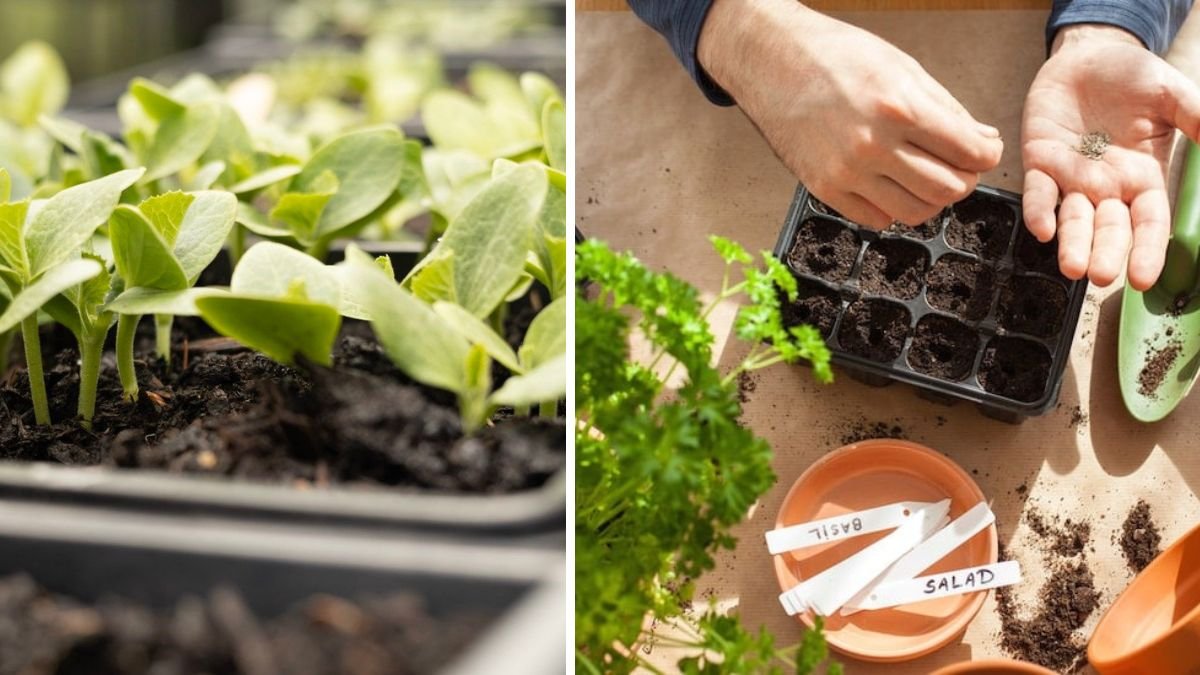
Early-season sowing is one of the most exciting times for gardeners. It promises fresh seedlings, early harvests, and a head start on the growing season. Yet, many beginners—and even experienced gardeners—struggle to achieve consistent results. According to horticulture experts, the key to success is preparation, understanding plant requirements, and careful timing.
This guide outlines essential steps for successful early-season sowing, from selecting seeds to nurturing strong seedlings, so you can enjoy thriving plants throughout the season.
Why Early-Season Sowing Matters
Sowing seeds early offers several advantages:
- Longer growing season: Early sowing gives plants more time to mature before summer heat or fall frosts.
- Stronger seedlings: Properly managed early seedlings adapt better to outdoor conditions.
- Higher yields: Early-started crops often produce more flowers, fruits, or vegetables.
- Efficient use of space: Indoor or protected sowing allows staggered planting, optimizing garden productivity.
Experts note that starting seeds too early or without proper conditions can be counterproductive, resulting in leggy seedlings, disease, or delayed planting.
Step 1: Choose the Right Seeds
Not all seeds are suited for early-season sowing. According to experts, the first step is selecting appropriate crops.
Cool-season crops: These can handle lower soil temperatures and short days. Examples include:
- Lettuce
- Spinach
- Peas
- Kale
- Broccoli
Warm-season crops: These require higher temperatures and are best sown later, even indoors. Examples include:
- Tomatoes
- Peppers
- Cucumbers
- Squash
Tips from experts:
- Check seed packets for recommended sowing dates relative to your last frost.
- Choose high-quality seeds for better germination.
- Consider heirloom or disease-resistant varieties if possible.
Selecting the right seeds ensures that your early sowing efforts are productive rather than frustrating.
Step 2: Prepare Your Growing Medium
Healthy seedlings begin with a suitable growing medium. Experts emphasize the importance of well-draining, nutrient-rich soil.
Essential qualities:
- Lightweight and airy: Allows roots to grow without compacting.
- Moisture-retentive but well-draining: Prevents waterlogging and damping-off disease.
- Sterile or pathogen-free: Reduces the risk of mold or fungal problems.
Many gardeners use commercial seed-starting mixes because they meet these requirements. Experts also suggest:
- Avoid using garden soil directly—it’s often too dense and may carry pathogens.
- Consider adding perlite or vermiculite for aeration and drainage.
Proper soil preparation sets seedlings up for strong, healthy growth.
Step 3: Select Appropriate Containers
Container choice can significantly influence seedling success.
Options include:
- Seed trays with drainage holes
- Small pots or biodegradable peat pots
- Recycled containers like yogurt cups (with drainage holes added)
Expert tips:
- Ensure each container has drainage to prevent root rot.
- Choose small cells for early sowing; seedlings can be transplanted later as they grow.
- Label each container clearly to track varieties and sowing dates.
The right containers help maintain proper moisture and allow easy handling for transplanting.
Step 4: Sow Seeds Correctly
Seed sowing technique varies depending on seed size and type.
General guidelines:
- Plant seeds at the depth recommended on the packet.
- Cover lightly with soil for small seeds; larger seeds can be planted deeper.
- Space seeds to prevent overcrowding and reduce disease risk.
- Mist gently with water to avoid displacing seeds.
Experts warn against sowing too thickly, as crowded seedlings can become weak and compete for nutrients.
Step 5: Provide Optimal Temperature and Light
Temperature and light are critical for germination and seedling growth.
Temperature:
- Cool-season seeds often germinate at 50–70°F.
- Warm-season seeds usually require 70–85°F.
- Use heating mats for seeds requiring consistent warmth.
Light:
- Seedlings need bright, indirect light to grow strong.
- Fluorescent or LED grow lights are ideal for indoor sowing.
- Keep lights 2–4 inches above seedlings and adjust as they grow.
Proper temperature and light prevent leggy seedlings and promote rapid, healthy growth.
Step 6: Water Carefully
Watering is one of the most common challenges in early-season sowing. Experts emphasize balance:
- Keep soil consistently moist but not waterlogged.
- Use a gentle spray or bottom watering to avoid washing away seeds.
- Reduce watering if seedlings begin to stretch or develop yellowing leaves.
Overwatering or underwatering can quickly compromise early sowing success.
Step 7: Thin Seedlings
Once seedlings develop their first true leaves, thinning may be necessary.
Why it matters:
- Prevents overcrowding and competition for nutrients.
- Encourages stronger root systems and sturdier stems.
Expert tip:
- Snip weaker seedlings at the soil line rather than pulling them to avoid disturbing neighboring roots.
- Keep the strongest seedlings to maximize growth potential.
Thinning ensures that early sowings produce robust, transplantable plants.
Step 8: Harden Off Seedlings
Hardening off prepares seedlings for outdoor conditions, which can be harsher than indoor environments.
Steps:
- Gradually expose seedlings to outdoor conditions over 7–10 days.
- Start with a few hours of indirect sunlight and increase exposure daily.
- Protect from wind and sudden temperature drops during the process.
Experts stress that skipping this step can shock seedlings, resulting in poor growth or death.
Step 9: Transplanting
When seedlings are strong enough and weather conditions are favorable, it’s time to transplant.
Expert guidelines:
- Choose a cloudy day or late afternoon to minimize transplant stress.
- Water the seedlings before transplanting.
- Gently remove from containers, keeping the root ball intact.
- Plant at the same depth as they were growing in their pots.
- Mulch lightly to retain moisture and regulate soil temperature.
Proper transplantation maximizes survival and encourages rapid growth in the garden.
Step 10: Ongoing Care
Early-season sowing doesn’t end with transplanting. Experts recommend:
- Continue watering consistently, adjusting for rain and temperature.
- Fertilize lightly with a balanced fertilizer once seedlings establish.
- Monitor for pests and diseases, particularly in cool, damp conditions.
- Stake or support taller plants to prevent bending or breaking.
By maintaining good care practices, early-started crops thrive and often outperform later-sown counterparts.
Expert Tips for Maximizing Success
- Use high-quality seeds: Fresh seeds have better germination rates.
- Plan sowing dates: Work backward from your last frost date for optimal timing.
- Label everything: Avoid confusion when sowing multiple varieties.
- Rotate light sources: Prevent seedlings from leaning toward one side.
- Keep records: Track germination success, growth rate, and transplant dates for future improvement.
Experts say that combining these practices with patience and attention to detail results in a more productive and enjoyable gardening season.
Benefits of Successful Early-Season Sowing
- Early harvests: Enjoy vegetables and herbs weeks ahead of late sowings.
- Better plant health: Strong seedlings adapt well to outdoor conditions.
- Continuous supply: Staggered sowing allows multiple harvests in a season.
- Learning opportunity: Early sowing builds skills in seed starting, pruning, and transplanting.
Early-season sowing sets the tone for the entire gardening year, giving gardeners a head start and enhancing overall productivity.
Final Thoughts
Early-season sowing is a rewarding technique that requires preparation, attention, and patience. According to expert gardeners, the essential steps—choosing the right seeds, preparing soil and containers, sowing correctly, providing optimal light and temperature, thinning seedlings, hardening off, and careful transplanting—are critical to success.
By following these steps, gardeners can enjoy strong, healthy plants that mature quickly and produce abundant harvests. Early-season sowing not only extends the growing season but also cultivates skill, confidence, and the satisfaction of seeing seedlings thrive from tiny seeds to full-grown plants.
With expert guidance, careful timing, and ongoing care, early-season sowing becomes a cornerstone of productive, successful gardening.