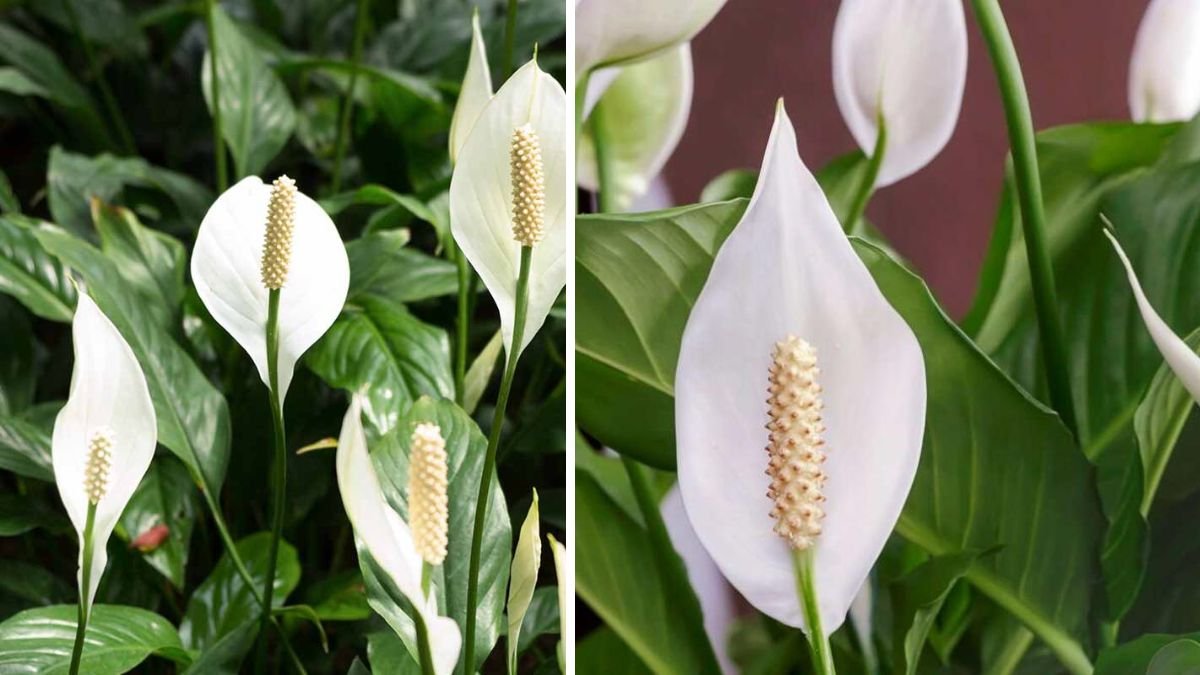
Peace lilies (Spathiphyllum spp.) are a favorite houseplant for their glossy green leaves, elegant white blooms, and air-purifying qualities. Yet, many plant enthusiasts struggle to get their peace lilies to flower consistently. According to horticulture experts, the secret isn’t a special fertilizer or exotic technique—it’s strategic pruning. By understanding when and how to prune, you can encourage more flowers, healthier foliage, and a more vibrant plant overall.
This guide explains the science behind peace lily blooming, common pruning mistakes, and step-by-step instructions to maximize blooms in your home.
Why Peace Lilies Sometimes Don’t Bloom
Before discussing pruning, it helps to understand why a peace lily might underperform.
Common reasons include:
- Insufficient light: Peace lilies need bright, indirect light to initiate flowering. Low-light conditions often produce lush leaves but few blooms.
- Overcrowding: Older leaves and spent flower stems can prevent energy from being directed toward new blooms.
- Nutrient imbalance: Too much nitrogen encourages leafy growth at the expense of flowers.
- Age of the plant: Younger plants may need time to mature before they flower regularly.
Experts emphasize that pruning addresses the second issue—allowing the plant to focus energy on producing flowers rather than maintaining old or damaged leaves.
Understanding Peace Lily Growth and Bloom Cycle
Peace lilies produce flowers on stalks called spathes, which emerge from the center of the plant. Each spathe houses a spadix, the actual flowering structure.
Pruning impacts blooming because:
- Removing spent flowers prevents energy from being wasted on dying blooms.
- Cutting older, damaged leaves allows more light to reach new growth.
- Encouraging airflow reduces disease and promotes healthier development.
By pruning strategically, gardeners redirect the plant’s resources from maintenance to reproduction, effectively doubling bloom potential over time.
When to Prune Your Peace Lily
Timing is key. Experts recommend:
- Regular maintenance pruning: Remove yellow, brown, or damaged leaves as needed throughout the year.
- Post-bloom pruning: Once a flower has fully wilted, cut it off at the base to encourage new blooms.
- Seasonal pruning: A light trim in spring primes the plant for active growth during warmer months.
Avoid heavy pruning in winter, as the plant is in a slower growth phase and may be less able to recover.
How to Prune for Maximum Blooms
Follow these expert steps to ensure your peace lily produces more flowers:
- Gather your tools: Use sharp, clean scissors or pruning shears to prevent tearing or introducing disease.
- Identify spent flowers: Look for spathes that are yellowing, brown, or drooping.
- Trim at the base: Cut the flower stalk at soil level to remove it entirely.
- Remove damaged leaves: Cut yellow or brown leaves near the base, leaving healthy foliage intact.
- Thin overcrowded areas: If growth is dense in the center, remove a few older leaves to allow light and air to penetrate.
- Clean up debris: Dispose of trimmed leaves and flowers to prevent pests and disease.
Experts stress that careful, selective pruning—not excessive cutting—produces the best results.
Additional Tips for Encouraging Blooms
Pruning alone may not guarantee double blooms; consider these complementary strategies:
1. Optimize Light
- Place your peace lily in bright, indirect light.
- Avoid direct sunlight, which can scorch leaves.
- Rotate the plant periodically to ensure all sides receive light.
2. Adjust Fertilization
- Use a balanced, water-soluble fertilizer every 6–8 weeks during the growing season.
- Avoid high-nitrogen fertilizers, which promote leaf growth over flowers.
3. Maintain Proper Watering
- Keep soil consistently moist but not waterlogged.
- Water when the top inch of soil feels dry.
- Reduce watering slightly in winter, when growth slows.
4. Repot When Necessary
- Peace lilies prefer slightly crowded roots; however, severely pot-bound plants may struggle to bloom.
- Repot every 2–3 years using fresh, well-draining soil to stimulate growth.
Experts note that combining pruning with proper light, water, and nutrition produces the healthiest plants and the most prolific blooms.
Common Pruning Mistakes to Avoid
Even minor errors can prevent your peace lily from flowering:
- Cutting healthy leaves: Removing green leaves reduces the plant’s energy reserves.
- Over-pruning: Excessive removal of foliage stresses the plant and may delay blooms.
- Ignoring spent flowers: Letting flowers wilt on the plant diverts energy from new bloom production.
- Using dull or dirty tools: Can damage stems and introduce pathogens.
By pruning correctly, you encourage vigorous new growth and more flowers without harming the plant.
Encouraging Long-Term Blooming
To maintain consistent blooms year after year, experts recommend:
- Regular pruning cycles: Consistency helps the plant focus energy efficiently.
- Seasonal light adjustments: Move the plant closer to a bright window during winter months if needed.
- Monitor for pests: Spider mites and aphids can weaken plants, reducing flowering potential.
- Keep humidity high: Peace lilies thrive in humid conditions; mist leaves or use a humidity tray if your home is dry.
With ongoing care, a peace lily can bloom multiple times per year, delighting with abundant white spathes.
The Benefits of a Blooming Peace Lily
A well-pruned, flowering peace lily offers more than just beauty:
- Air purification: Peace lilies remove toxins such as formaldehyde and benzene from indoor air.
- Stress reduction: Indoor plants with flowers can improve mood and reduce stress.
- Decorative appeal: Elegant white blooms complement home interiors year-round.
- Easy care: Once mature and properly pruned, peace lilies require minimal attention.
Experts say that combining aesthetics with air-purifying benefits makes the peace lily one of the most valuable indoor plants.
Final Thoughts
Pruning is a simple, effective way to encourage more peace lily blooms. According to horticulture experts, cutting spent flowers, removing damaged leaves, and thinning dense growth allows the plant to redirect energy toward new flowering. When combined with proper light, watering, fertilization, and occasional repotting, pruning can dramatically increase the number of blooms—sometimes even doubling them.
With careful attention and regular maintenance, your peace lily can remain a vibrant, flowering centerpiece in your home, offering beauty, air-purifying benefits, and a reminder that even small care habits make a big difference in plant performance.
By understanding your peace lily’s growth cycle and applying these expert pruning strategies, you can enjoy lush green foliage and a spectacular display of white blooms throughout the year.