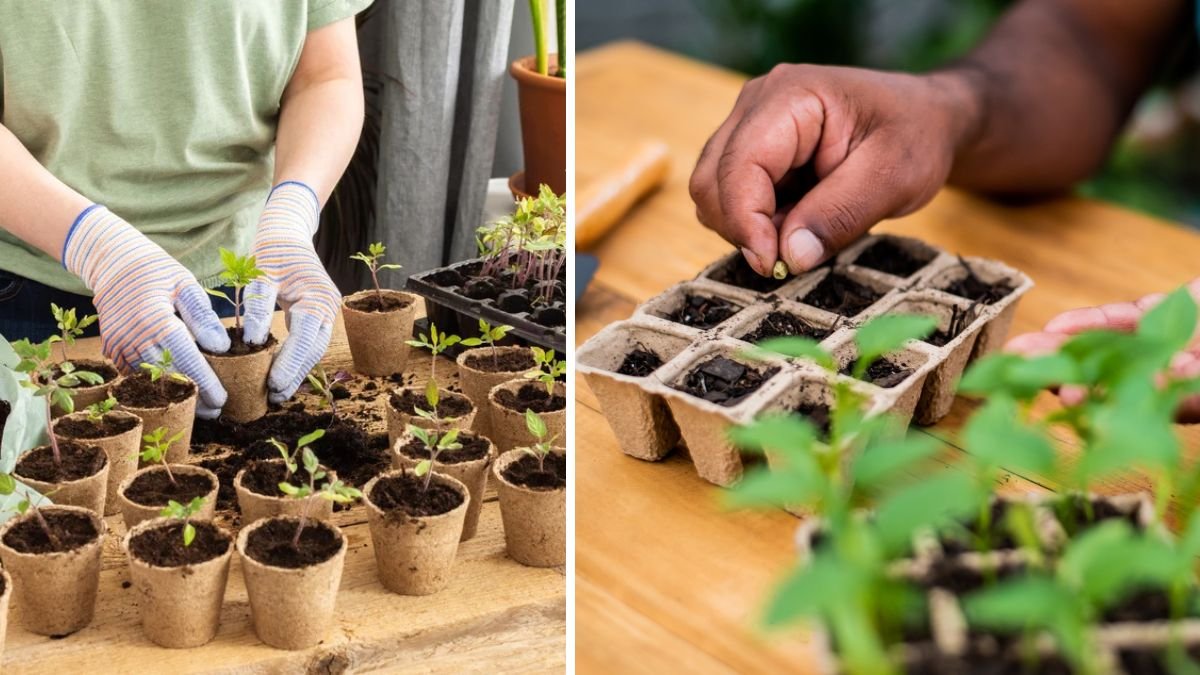
Seed starting can feel like an exciting way to beat the seasons, but timing is everything. According to gardening experts, starting seeds too early is one of the most common mistakes, leading to weak, leggy seedlings, wasted effort, and frustration. Even popular seeds that gardeners often sow in winter may not thrive if planted before the right conditions are met.
This guide explains six popular seeds that are commonly planted too early, why premature sowing is a problem, and expert tips on when to start them for healthy, strong seedlings.
Why Starting Seeds Too Early Is a Problem
Starting seeds ahead of their ideal time can cause several issues:
- Leggy seedlings: Plants stretch toward light, becoming weak and spindly.
- Delayed flowering or fruiting: Seedlings outgrow their pots and take longer to adjust outdoors.
- Resource waste: Seeds, soil, and light setups are used prematurely.
- Vulnerability to disease: Long indoor growing periods increase the risk of damping-off or fungal infections.
Experts emphasize that patience pays off: sowing seeds at the correct time ensures uniform growth, stronger roots, and higher productivity.
1. Tomatoes
Tomatoes are a garden favorite, but sowing too early is a frequent mistake.
Why it’s a problem:
- Tomato seedlings are sensitive to light and temperature.
- Early sowing leads to long, thin stems as plants stretch for light indoors.
Expert advice:
- Start seeds 6–8 weeks before the last expected frost in your region.
- Provide strong, consistent light and moderate temperatures.
- Transplant outdoors only after hardening off in spring.
Starting tomatoes too early may require unnecessary repotting and stunt growth, so timing is critical.
2. Peppers
Bell peppers, chili peppers, and other varieties are slow to germinate, making gardeners eager to start early—but patience is essential.
Why early planting fails:
- Peppers require warmth (70–80°F) to germinate and grow.
- Cold indoor conditions can slow germination or produce weak seedlings.
Expert timing:
- Sow seeds 8–10 weeks before last frost.
- Maintain consistent warmth and avoid exposing seedlings to drafts.
Starting peppers too early often results in overgrown plants that are difficult to manage indoors.
3. Basil
Basil is a tender, aromatic herb that responds poorly to premature indoor planting.
Common issues:
- Basil grows leggy under low light, producing weak stems and leaves.
- Excessively early sowing can force repeated transplanting.
Expert recommendation:
- Start seeds 4–6 weeks before the last frost.
- Ensure 12–16 hours of light daily for compact growth.
Basil thrives when timed closer to spring, giving gardeners healthier, more flavorful plants.
4. Cucumbers
Cucumbers are fast-growing, but starting seeds indoors too soon can backfire.
Why it’s a problem:
- Cucumbers are sensitive to cold and transplant shock.
- Seedlings outgrow small containers quickly, resulting in root stress.
Expert tip:
- Start seeds 3–4 weeks before the last frost.
- Provide warm soil (70–75°F) and consistent moisture.
- Harden off seedlings before planting outdoors.
Premature cucumber seedlings often waste energy and delay fruit production.
5. Squash and Zucchini
Squash, zucchini, and related gourds are notoriously impatient crops—they don’t tolerate early indoor life well.
Early sowing pitfalls:
- Long indoor growth periods create large, weak seedlings.
- Hardening off becomes more challenging, increasing risk of transplant shock.
Timing advice:
- Start seeds 2–4 weeks before the last frost.
- Plant in peat pots or small containers for easy transplanting.
- Provide warm temperatures and moderate light.
Experts stress that squash grows rapidly; sowing too early wastes indoor space without boosting harvest timing.
6. Melons
Melons—including cantaloupe and watermelon—are highly sensitive to temperature and light conditions.
Why early sowing fails:
- They require warm soil (75–85°F) for germination.
- Seedlings grown in cool indoor conditions become stunted or stressed.
Expert advice:
- Start seeds 3–4 weeks before the last frost.
- Maintain warmth with heat mats or a sunny windowsill.
- Transplant carefully after hardening off.
Premature melon seedlings often struggle and produce lower yields.
Signs You’ve Started Seeds Too Early
Even experienced gardeners can misjudge timing. Common signs include:
- Spindly, leggy growth: Indicates insufficient light relative to age.
- Yellowing leaves: May result from nutrient deficiency or overwatering in prolonged indoor periods.
- Slow development: Plants outgrow their pots before outdoor planting is possible.
- Disease susceptibility: Damping-off fungi thrive in long, crowded seedling trays.
Experts recommend monitoring seedlings closely and being ready to adjust care if planted too early.
How to Fix Premature Seedlings
If seeds have been started too early, there are several ways to salvage growth:
- Increase light exposure: Use grow lights to prevent legginess.
- Repot if necessary: Move seedlings to larger containers to avoid root crowding.
- Provide balanced fertilizer: Weak seedlings benefit from a diluted liquid feed.
- Harden off carefully: Gradually acclimate seedlings to outdoor conditions when appropriate.
Even when started too early, proper care can save seedlings and improve survival rates.
Tips for Perfect Seed Timing
Experts emphasize a few universal rules for seed starting:
- Check your local frost date: Use it to calculate backward when to start seeds.
- Group seeds by maturity rate: Fast-germinating seeds may require later sowing than slow growers.
- Use seed-starting calculators or charts: Many seed packets include ideal sowing windows.
- Avoid over-managing: Resist the temptation to start everything indoors “just in case.”
Timing seeds correctly ensures a strong start, reducing labor and maximizing harvest potential.
Benefits of Waiting to Start Seeds
Patience offers tangible benefits:
- Stronger seedlings: Plants grow in proportion to available light and space.
- Less indoor crowding: Avoids multiple transplanting stages.
- Better garden timing: Seedlings are ready for optimal outdoor planting conditions.
- Healthier plants: Reduced stress from overgrown roots or leggy stems.
Experts agree that waiting to start seeds improves both yield and overall plant health.
Final Thoughts
While the excitement of seed starting can tempt gardeners to begin early, even popular seeds like tomatoes, peppers, basil, cucumbers, squash, and melons benefit from patience. According to gardening experts, sowing these seeds at the right time promotes strong, healthy seedlings, reduces disease risk, and leads to better harvests.
By understanding the growth requirements of each plant, monitoring light and temperature, and aligning sowing schedules with your local climate, gardeners can avoid common pitfalls. Timing matters: the right start sets the stage for vibrant, productive gardens and minimizes frustration, wasted resources, and weak plants.
With expert planning, you can enjoy a flourishing garden, a steady supply of vegetables and herbs, and beautiful, robust plants throughout the growing season—all without planting seeds prematurely.