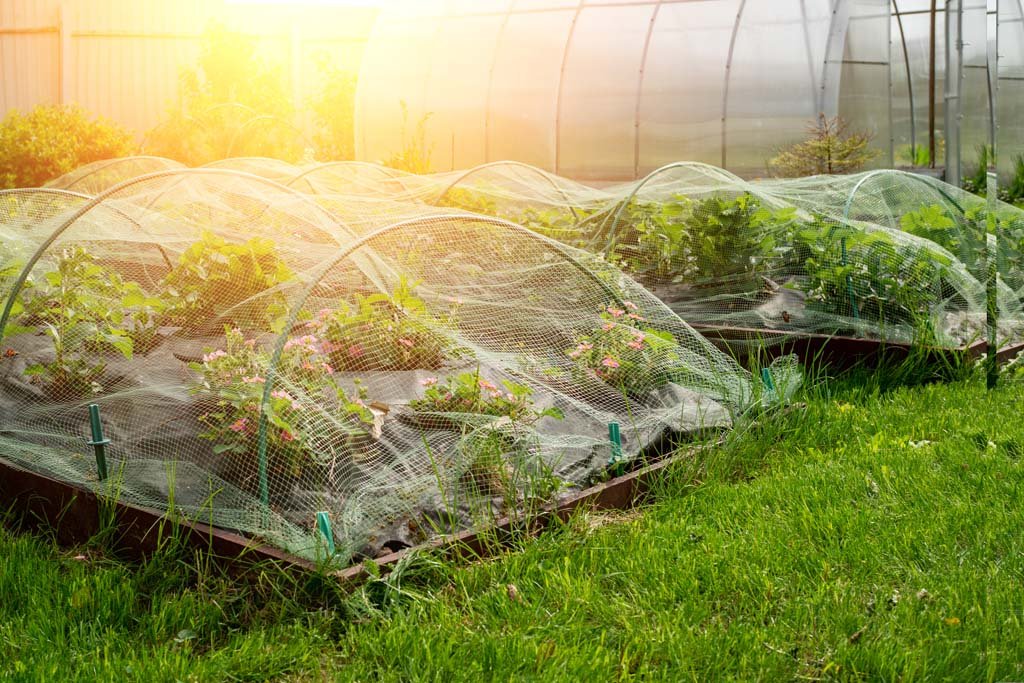
Gardening isn’t just a spring or summer hobby. Savvy gardeners know that preparing your garden in winter can set the stage for a vibrant, pollinator-friendly spring. One plant, in particular, stands out as versatile, hardy, and indispensable for attracting bees, butterflies, and other pollinators when the weather warms up: the winter sown or early-blooming pollinator-friendly perennial. In this article, we’ll explore why it’s so valuable, how to grow it in winter, and strategies to make your garden a haven for pollinators come spring.
Why Winter Gardening Matters for Pollinators
Winter may seem dormant, but the choices you make in your garden now can significantly impact spring biodiversity. By sowing or planting certain hardy species in winter:
- You Give Pollinators an Early Food Source
- Early spring blooms are vital for bees emerging from hibernation.
- Butterflies and hoverflies rely on nectar-rich flowers after a long winter.
- Your Garden Flourishes Earlier
- Winter preparation encourages strong root development and early flowering.
- Early blooms create a continuous food source for pollinators, increasing biodiversity.
- Reduces Spring Planting Stress
- Plants started in winter are often established and ready to thrive as soon as temperatures rise.
- This ensures minimal gaps in your pollinator-friendly landscape.
The Star Winter Plant for Pollinators
The versatile plant we’re talking about is Hellebore (Helleborus spp.). Sometimes called the “Christmas Rose” or “Lenten Rose,” hellebores are early-blooming perennials that thrive in winter and provide critical nectar for pollinators in late winter and early spring.
Why Hellebores Are Ideal:
- Winter-Hardy: Survive freezing temperatures and even snow, making them perfect for colder climates.
- Early Blooming: Flowers appear from late winter to early spring, bridging the gap before most other flowers emerge.
- Pollinator Magnet: Bees and early pollinators can access nectar when few other sources are available.
- Low Maintenance: Resistant to deer, drought-tolerant, and generally pest-free.
- Long-Lasting Flowers: Individual blooms can persist for several weeks, extending pollinator support.
Other Versatile Pollinator-Friendly Winter Plants
While hellebores are a standout, several other plants also perform well in winter for attracting pollinators in spring:
- Winter Jasmine (Jasminum nudiflorum)
- Produces bright yellow flowers in late winter.
- Early blooms attract bees and hoverflies.
- Witch Hazel (Hamamelis spp.)
- Known for striking, fragrant flowers that bloom in winter.
- Provides early nectar for pollinators.
- Snowdrops (Galanthus spp.)
- Small but vital early spring flowers.
- Loved by early-emerging bees.
- Mahonia (Mahonia spp.)
- Produces clusters of bright yellow flowers in winter.
- Pollinators like bees flock to these nectar-rich blooms.
These plants, when combined with hellebores, create a layered early-blooming garden that supports pollinators as soon as the weather warms.
How to Grow Hellebores in Winter
Hellebores are surprisingly easy to grow, and winter is the perfect time to plant or prepare them for early spring blooms.
1. Choose the Right Location
- Prefer partial to full shade, making them ideal for under trees or along shaded borders.
- Well-draining soil is essential; hellebores dislike soggy roots.
2. Planting Technique
- Dig a hole twice the size of the root ball.
- Add compost or organic matter to enrich the soil.
- Place the plant so that the crown sits slightly above the soil level, then backfill gently.
3. Mulch for Protection
- Apply a layer of mulch around the plant to insulate roots during freezing temperatures.
- Remove old mulch in early spring to encourage flowering.
4. Watering Tips
- Water newly planted hellebores to establish roots.
- Once established, they are drought-tolerant and need minimal winter watering.
5. Winter Sowing Seeds
- Hellebores can be grown from seeds, though they take longer to bloom (often 2–3 years).
- Sow seeds in late winter or early spring in cold frames or unheated greenhouses.
- Keep soil moist but not soggy, and provide partial shade.
Additional Benefits for Your Garden
- Evergreen Foliage: Hellebore leaves remain attractive year-round, creating structure in winter landscapes.
- Naturalizing Ability: Once established, they spread and fill shady garden areas, providing continuous early-season blooms.
- Pest Resistance: Deer, rabbits, and most common garden pests avoid hellebores.
- Companion Planting: Works well with ferns, hostas, and other shade-loving perennials for a layered, textured garden design.
Tips for Attracting More Pollinators in Winter and Early Spring
- Plant in Groups: Cluster several hellebores or early-blooming flowers together to create a nectar-rich area for bees and butterflies.
- Avoid Pesticides: Chemical sprays can harm early pollinators. Use organic or mechanical pest control methods.
- Add Shelter: Incorporate brush piles, logs, or small pollinator houses to provide bees and other insects with winter shelter.
- Include Water Sources: Small birdbaths or shallow dishes with water attract pollinators as snow melts and temperatures rise.
- Diversify Blooms: Combine hellebores with witch hazel, mahonia, and snowdrops for continuous nectar supply throughout late winter and early spring.
Creating a Pollinator-Friendly Winter Garden
To maximize the benefits of planting hellebores and other early-blooming perennials:
- Plan a Succession of Blooms: Ensure your garden has flowers blooming from late winter through early summer.
- Use Varied Heights: Combine low ground-cover plants with taller perennials to provide shelter and landing spots for pollinators.
- Incorporate Native Plants: Native species often attract more local pollinators than exotic plants.
- Avoid Overcrowding: Give plants enough space to spread naturally and maintain airflow, reducing disease risk.
By strategically planting a mix of winter-hardy, early-blooming perennials, you can turn a dormant garden into a pollinator paradise that starts working as soon as the snow melts.
Conclusion
Winter doesn’t have to mean a lifeless garden. By planting versatile, hardy, early-blooming perennials—especially hellebores—you can:
- Provide early food sources for bees, butterflies, and other pollinators.
- Ensure your garden blooms earlier and more vibrantly in spring.
- Reduce garden maintenance in later seasons by establishing long-lasting, low-maintenance plants.
- Create a visually appealing winter landscape with evergreen foliage and striking flowers.
Starting your pollinator-friendly garden in winter is not only beneficial for wildlife but also ensures that your spring garden is full of life, color, and productivity. Hellebores, with their winter-hardiness, early blooms, and long-lasting flowers, are the perfect choice for gardeners who want to make a difference for pollinators while enhancing their own landscape.