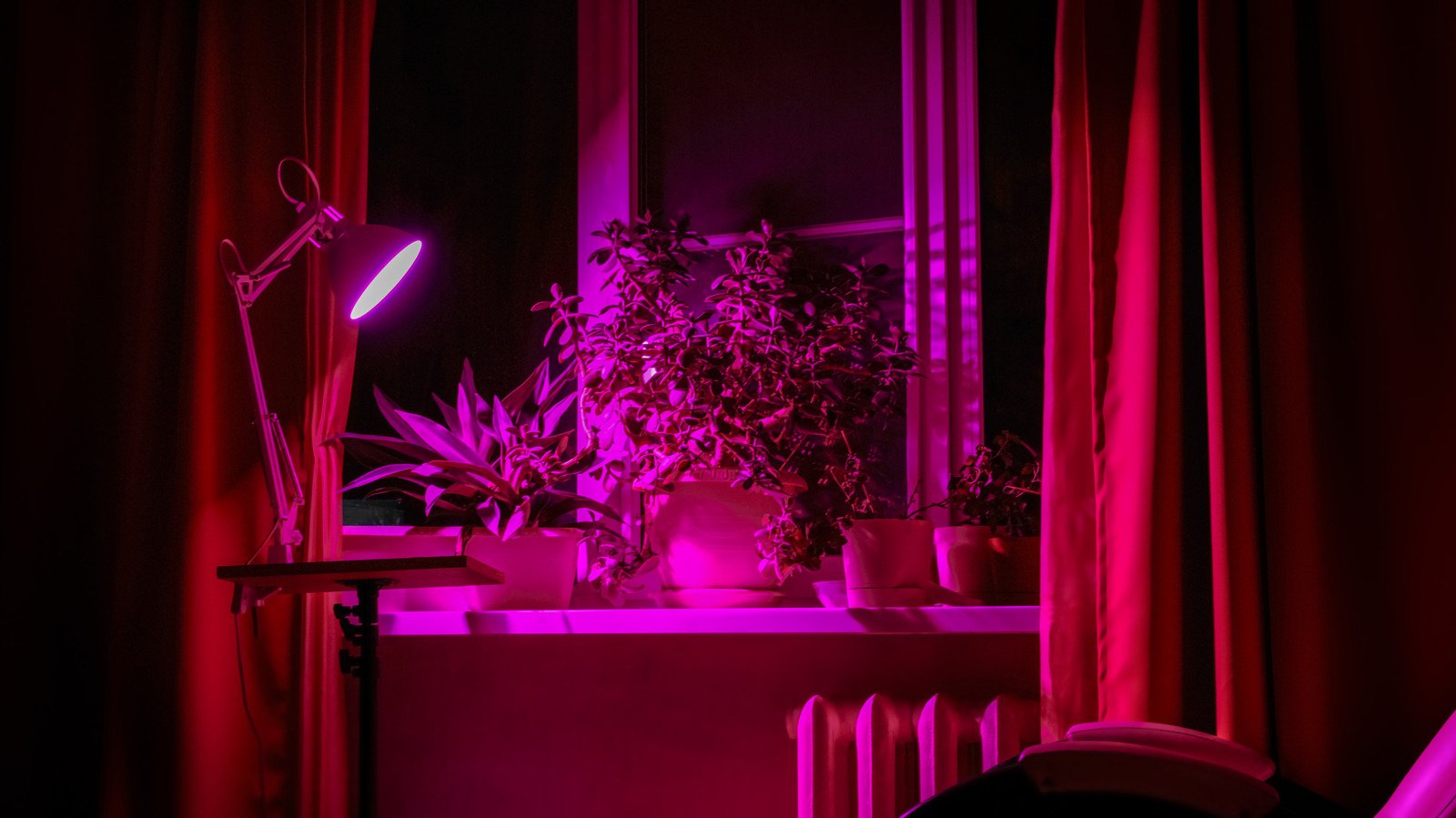
Indoor gardening has become increasingly popular, from small apartment herb setups to full-scale hydroponic systems. One of the most critical tools for successful indoor plant growth is a grow light, and within the spectrum of light, red light plays a particularly important role. Red wavelengths are essential for photosynthesis, flowering, and fruiting, making them indispensable for gardeners who want thriving, productive plants year-round.
In this guide, we’ll explore the types of red grow lights, how they affect plant growth, and the best ways to use them for maximum results.
Why Red Light Matters for Plants
Plants absorb light in specific wavelengths to drive photosynthesis, the process by which they convert light energy into chemical energy. Light is divided into several colors, each with a distinct role:
- Blue Light (400–500 nm): Promotes vegetative growth, compact stems, and leaf development.
- Red Light (600–700 nm): Encourages flowering, fruiting, and overall energy conversion.
Benefits of Red Light for Plants:
- Stimulates Flowering and Fruiting: Red light signals plants that the days are longer, triggering flowering in long-day plants.
- Promotes Stem Elongation: While blue light keeps plants compact, red light encourages natural stretching, which is beneficial for some flowering crops.
- Supports Photosynthesis: Red wavelengths are highly efficient at driving the photosynthetic process, particularly when combined with blue light.
- Increases Yield: For fruiting plants like tomatoes, peppers, and strawberries, red light enhances flower and fruit production, improving overall harvests.
Types of Red Grow Lights
Different red grow light technologies provide unique advantages for indoor gardening. Here’s what you need to know:
1. LED Grow Lights
LEDs (Light Emitting Diodes) are the most popular choice for modern indoor gardens. Many LED grow lights include specific red diodes to optimize flowering and fruiting.
Pros:
- Energy-efficient and cost-effective over time.
- Produce less heat, reducing the risk of burning plants.
- Customizable spectrum, allowing you to provide the exact red/blue ratio needed.
Cons:
- Initial purchase price can be higher than traditional lights.
- Some low-quality LEDs may have uneven light coverage.
Best Use: Pair red LEDs with blue LEDs in a full-spectrum panel for balanced growth from vegetative to flowering stages.
2. Fluorescent Grow Lights
Fluorescent tubes, such as T5 or T8 bulbs, are another option. Some bulbs are specifically labeled as “red spectrum” or “flowering” lights.
Pros:
- Affordable and widely available.
- Low heat output, safe for close-proximity setups.
- Effective for seedlings and small indoor plants.
Cons:
- Less efficient than LEDs in terms of energy use.
- Shorter lifespan, requiring replacement every few years.
- Typically less intense, so they may not penetrate dense plant canopies well.
Best Use: Ideal for small grow areas, seedlings, or supplemental red light for flowering plants.
3. High-Intensity Discharge (HID) Lights
HID lights include Metal Halide (MH) and High-Pressure Sodium (HPS) bulbs. HPS bulbs, in particular, emit a strong red-orange spectrum, making them excellent for flowering and fruiting.
Pros:
- Very intense, suitable for large indoor gardens or commercial setups.
- Proven effectiveness in promoting flowering and fruiting.
Cons:
- High heat output requires ventilation or cooling systems.
- Less energy-efficient than LEDs.
- Bulky and more expensive to maintain.
Best Use: HPS lights are ideal for large flowering or fruiting crops where maximum light intensity is needed.
4. Incandescent Red Bulbs (Supplemental Use)
Traditional incandescent red bulbs can provide supplemental red light, particularly in small home setups.
Pros:
- Very low cost and easy to find.
- Simple to integrate as a supplemental light source.
Cons:
- Very low efficiency and high heat production relative to light output.
- Not suitable as the primary light source.
Best Use: Best used as supplemental lighting in combination with a main LED or fluorescent setup.
How to Use Red Grow Lights for Optimal Plant Growth
Simply having a red grow light is not enough—proper use is essential for maximizing its benefits.
1. Combine Red and Blue Light
- While red light promotes flowering and fruiting, blue light is critical for compact vegetative growth.
- Most growers use LED panels that include both red and blue diodes to provide a balanced spectrum.
- Ratio example: 4:1 red-to-blue for flowering stages, 1:1 for vegetative stages.
2. Timing Matters
- Plants rely on photoperiods (light cycles) to determine growth stages.
- Long-day plants (lettuce, spinach) need 14–18 hours of light per day.
- Flowering plants like tomatoes and peppers often respond to 10–12 hours of red-heavy light.
- Adjusting the light duration according to plant type helps trigger flowering at the right time.
3. Distance from Plants
- LED panels: 12–24 inches above the canopy for small plants, 24–36 inches for larger crops.
- Fluorescent tubes: 6–12 inches above seedlings or short plants.
- HID lights: 18–36 inches above plants, with ventilation to manage heat.
- Tip: Adjust height based on plant response—too close can cause leaf burn, too far reduces intensity.
4. Monitor Plant Response
Signs your red grow light setup is working:
- Healthy flowering and fruiting.
- Vibrant leaf color.
- Compact but strong stems (when paired with some blue light).
Signs of overexposure:
- Leaf curling or browning tips.
- Stretching without proper foliage development.
Choosing the Right Red Grow Light for Your Needs
When selecting a red grow light, consider:
- Plant Type:
- Flowering and fruiting plants need more intense red light.
- Leafy greens and herbs benefit from a more balanced red/blue spectrum.
- Space Size:
- Small setups: LED panels or fluorescent tubes.
- Large or commercial setups: HID or high-power LED arrays.
- Budget:
- LEDs: higher upfront, lower operating cost.
- Fluorescent: lower initial cost, moderate running cost.
- HID: high initial and operating cost, high output.
- Heat Management:
- Red light intensity often comes with heat. Ensure ventilation and distance adjustments to protect plants.
Extra Tips for Growing Plants with Red Light
- Rotate Plants: Even under artificial light, rotating plants ensures uniform growth and prevents leaning.
- Supplement with Natural Light: If possible, combine grow lights with sunlight for full-spectrum benefits.
- Monitor Humidity: High-intensity lights can dry the air; maintain appropriate humidity for plant type.
- Use Timers: Automated light cycles mimic natural day/night rhythms and reduce human error.
- Clean Light Surfaces: Dust and debris on LEDs or fluorescent tubes can reduce effectiveness.
Conclusion
Red grow lights are a critical component of successful indoor gardening, particularly for flowering and fruiting plants. Understanding the different types—LEDs, fluorescent, HID, and incandescent—and using them correctly can dramatically improve plant growth, yields, and overall health.
The best results come from combining red light with blue light, proper timing, and careful monitoring. Whether you’re a small-space herb grower, an apartment gardener, or running a commercial indoor setup, red grow lights allow you to control the growth cycle, optimize flowering, and enjoy bountiful harvests year-round.
By selecting the right type, adjusting placement, and maintaining ideal light cycles, you can create a thriving indoor garden where plants flourish under every wavelength. Red light isn’t just a supplement—it’s a game-changer for anyone serious about indoor plant growth.