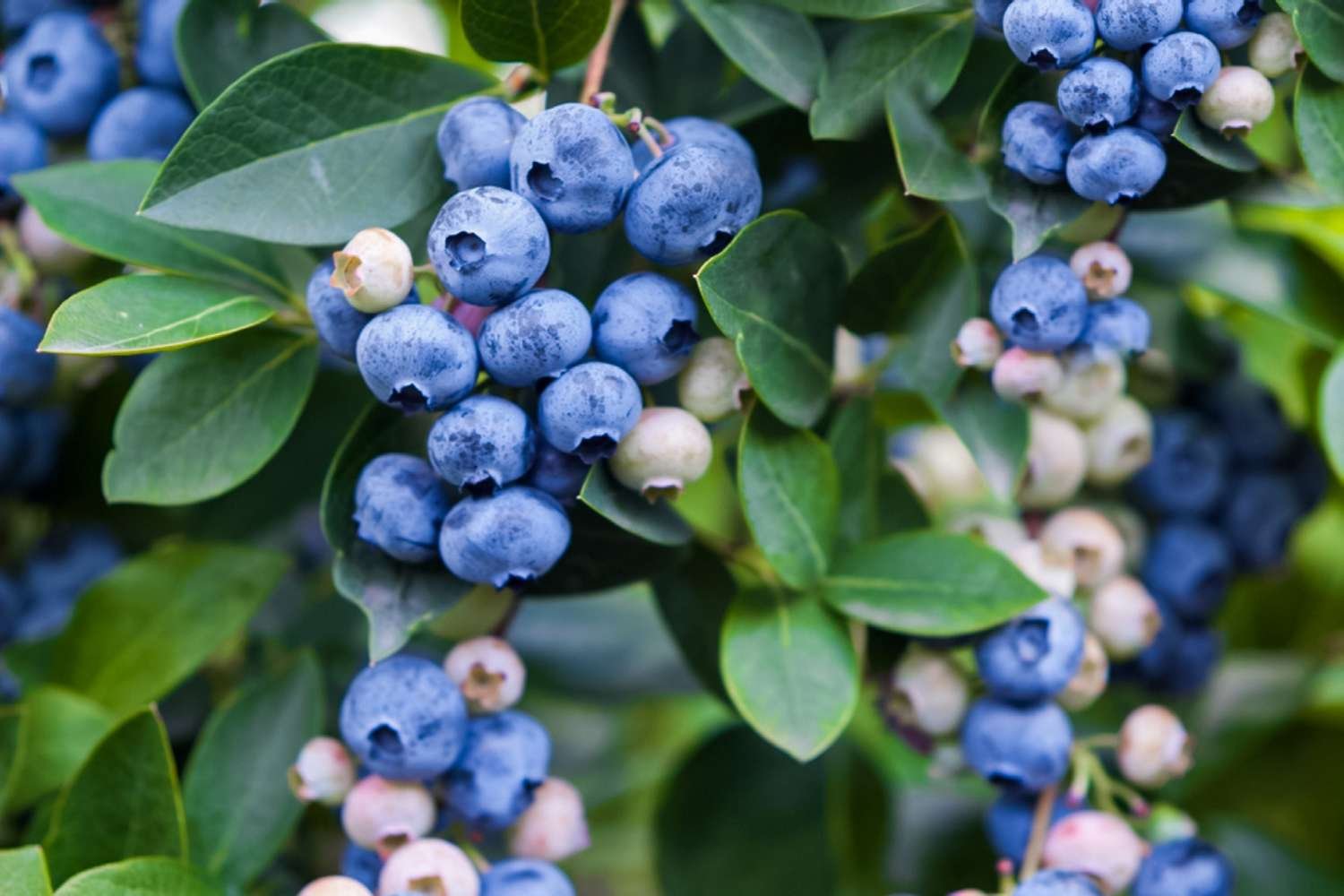
Berries are among the most rewarding plants to grow in your garden. From the sweet juiciness of raspberries to the tangy flavor of blueberries, berry bushes provide fresh fruit, beautiful foliage, and a sense of accomplishment. While buying young plants from a nursery is one option, starting berry bushes from cuttings is cost-effective, surprisingly easy, and highly satisfying.
Propagation from cuttings allows gardeners to clone their favorite varieties, preserve heirloom genetics, and expand berry production without spending a fortune. In this article, we’ll break down everything you need to know to start berry bushes from cuttings successfully.
Why Start Berry Bushes From Cuttings?
Starting berry bushes from cuttings has several advantages:
- Cost-Effective: A single bush can produce multiple cuttings, creating new plants for your garden or to share with friends.
- Genetic Consistency: Cuttings are clones of the parent plant, ensuring that fruit quality, flavor, and growth habits remain the same.
- Faster Fruit Production: Cuttings often grow faster than seeds and may produce fruit sooner.
- Sustainability: Propagation from cuttings reduces reliance on commercially grown plants and helps preserve plant varieties.
Types of Berry Bushes Suitable for Cuttings
Most berry bushes can be propagated from cuttings, but some respond better than others. Common varieties include:
- Raspberries (Rubus idaeus)
- Blackberries (Rubus fruticosus)
- Blueberries (Vaccinium spp.)
- Currants (Ribes spp.)
- Gooseberries (Ribes uva-crispa)
These bushes are hardy, easy to root, and suitable for both beginner and experienced gardeners.
Step 1: Choose the Right Time
Timing is key to successful propagation. Depending on the berry type, cuttings are typically taken:
- Softwood Cuttings: Spring to early summer, when new growth is flexible and tender.
- Semi-Hardwood Cuttings: Late summer, when stems are partially mature but still green.
- Hardwood Cuttings: Late fall or early winter, when plants are dormant.
For beginners, softwood or semi-hardwood cuttings are easiest to root and require minimal care.
Step 2: Select Healthy Parent Plants
Healthy cuttings start with healthy parent plants:
- Look for vigorous stems without disease or damage.
- Choose shoots that are pest-free, mature, and firm.
- Avoid cutting from stressed or weak plants, as these may fail to root.
For best results, select recently growing stems that have not yet produced fruit, as these root more readily.
Step 3: Prepare the Cuttings
Once you have chosen your stems, preparation is crucial:
- Cut the Stem:
- For softwood cuttings, take a 4–6 inch section just below a leaf node.
- For hardwood cuttings, cut 6–12 inch sections during dormancy.
- Remove Lower Leaves:
- Strip off leaves from the lower half to prevent rot and moisture loss.
- Leave 2–3 leaves at the top to continue photosynthesis.
- Optional – Use Rooting Hormone:
- Dip the cut end in rooting hormone to encourage root growth and increase success rate.
- Rooting hormone is especially helpful for blueberries and currants.
Step 4: Plant the Cuttings
Planting properly gives your cuttings the best chance to root:
- Use a well-draining potting mix, such as a combination of peat, perlite, and sand.
- Insert the cuttings 2–3 inches deep into the soil.
- Firm the soil gently around the cutting to ensure good contact.
- Water lightly to settle the soil without creating soggy conditions.
Tip: Plant cuttings in individual pots to prevent root disturbance and make transplanting easier.
Step 5: Create a Favorable Environment
Cuttings need a humid, stable environment to root successfully:
- Cover the pot with a plastic bag or mini greenhouse to retain humidity.
- Place in bright, indirect light, avoiding direct sun that can scorch the cuttings.
- Keep soil moist but not soggy—overwatering leads to rot, while underwatering prevents rooting.
For softwood cuttings, roots typically form in 2–4 weeks, while hardwood cuttings may take several months.
Step 6: Monitor and Care for Cuttings
While waiting for roots to develop, monitor the cuttings:
- Check for Mold or Rot: Remove any affected cuttings immediately.
- Water Carefully: Keep soil evenly moist; misting can help maintain humidity.
- Ventilation: Occasionally remove the plastic cover to prevent fungal buildup.
- Watch for Growth: New leaves are a sign that roots are forming.
Patience is key—don’t disturb cuttings too soon. Root development may take weeks to months depending on the species.
Step 7: Transplanting Rooted Cuttings
Once roots are well-established:
- Test for Root Growth: Gently tug on the cutting; resistance indicates sufficient root development.
- Prepare the Garden or Larger Pot: Use fertile, well-draining soil.
- Plant Carefully: Avoid damaging delicate roots.
- Water Thoroughly: Hydrate immediately after transplanting.
- Acclimate Gradually: If moving outdoors, harden off by gradually exposing plants to sunlight and wind over 1–2 weeks.
Proper transplantation ensures your berry bushes thrive and produce fruit quickly.
Extra Tips for Success
- Label Cuttings: Note species and date of propagation to track progress.
- Keep Records: Record which cuttings root best for future reference.
- Share and Expand: Once rooted, berry cuttings make great gifts for friends and neighbors.
- Maintain Parent Plants: Healthy parent plants ensure ongoing cutting material year after year.
- Consider Companion Planting: Some berries, like blueberries, benefit from slightly acidic soil and companion plants that help maintain soil health.
Common Problems and How to Avoid Them
- Cuttings Rotting: Usually caused by overwatering or poor drainage. Use fast-draining soil and water sparingly.
- No Root Development: Could result from insufficient humidity, light, or dormant season timing. Use rooting hormone if necessary.
- Leaves Wilting or Yellowing: Indicates stress or dehydration. Mist occasionally and ensure indirect light.
- Pest Infestation: Monitor for aphids or fungus gnats and remove immediately.
With careful monitoring and the right environment, most cuttings develop strong roots and healthy growth.
Why Propagating From Cuttings is Worth It
Starting berry bushes from cuttings is rewarding for gardeners of all levels:
- You can multiply your favorite varieties without spending money on new plants.
- Cloning ensures consistent fruit quality and flavor.
- Propagation allows for creative garden design, such as dense berry hedges or espalier arrangements.
- Successful propagation is educational, helping you understand plant growth and care more deeply.
By following these steps, even beginners can grow thriving berry bushes from a few cuttings.
Conclusion
Propagating berry bushes from cuttings may seem daunting at first, but it is simpler and more accessible than many gardeners realize. By choosing healthy stems, preparing them properly, providing the right soil and humidity, and being patient, you can grow new berry plants that are genetically identical to your favorite varieties.
From raspberries and blackberries to blueberries and currants, starting from cuttings is a cost-effective, sustainable, and rewarding way to expand your garden. With practice, patience, and attention to detail, you’ll soon enjoy lush bushes producing fruit for years to come—all thanks to the simple process of starting from cuttings.
Whether for a home garden, balcony containers, or as gifts for fellow gardeners, propagating berry bushes ensures a sweet and fruitful future.