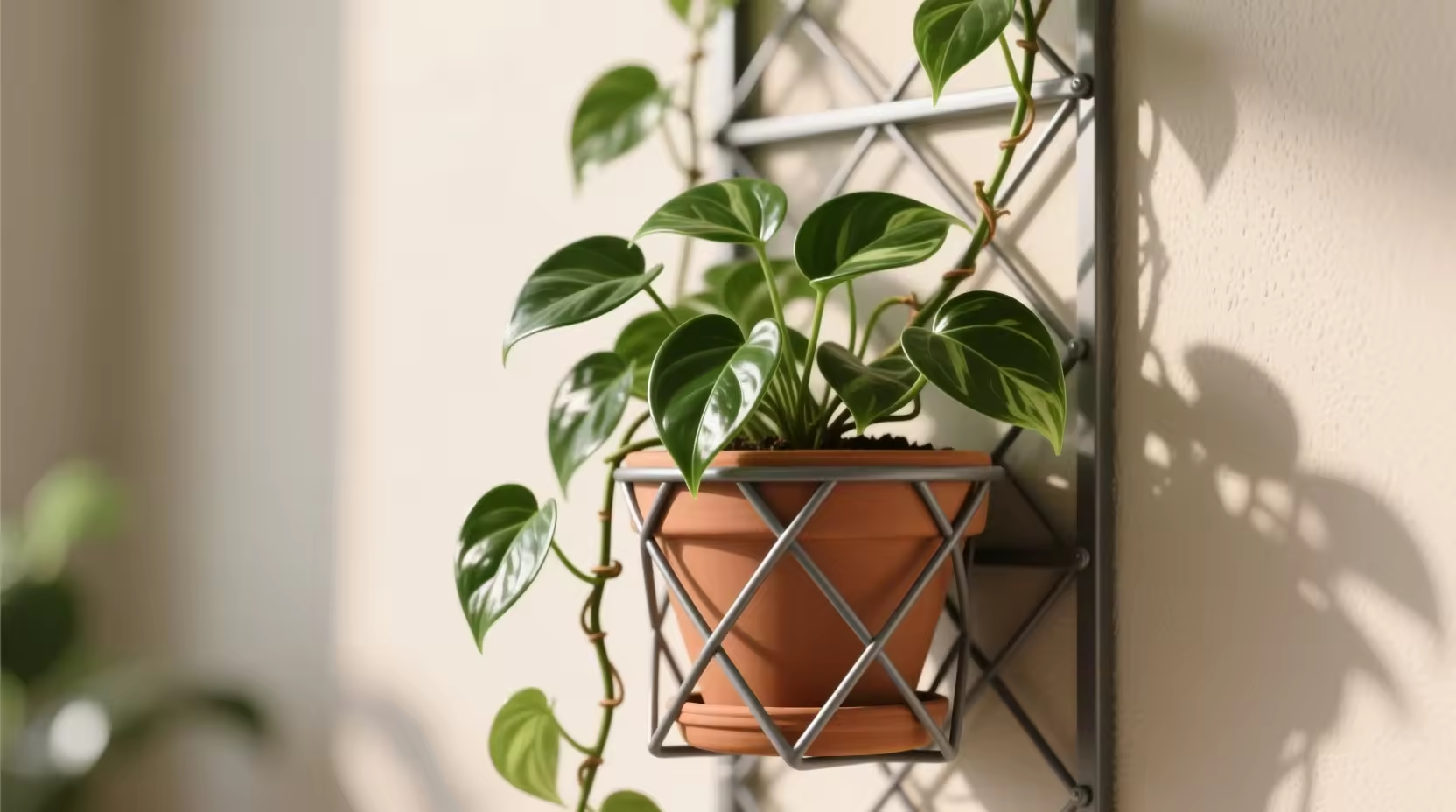
Indoor gardening has evolved beyond just keeping plants alive; it’s now about creating vibrant, dynamic, and aesthetically pleasing green spaces. One way to elevate your houseplant game is by incorporating plant pot trellises—an essential tool for supporting climbing and vining plants. Whether you’re growing a pothos, monstera, or philodendron, a trellis provides structure, encourages healthy growth, and adds a decorative element to your indoor garden.
This guide explores why plant pot trellises are crucial, how to choose the right one, and tips for training your plants effectively.
Why Climbing Houseplants Need Support
Many popular indoor plants are naturally climbers. Plants like Monstera deliciosa, Epipremnum aureum (pothos), and Syngonium develop long vines that, without support, can trail uncontrollably or become weak.
Benefits of Using a Trellis:
- Promotes Healthy Growth:
Climbing plants that grow vertically on a trellis develop stronger stems and leaves, as they can attach naturally and grow upward, mimicking their natural environment. - Prevents Tangling and Damage:
Without support, vines can tangle, break, or flop over. Trellises provide a clear structure, keeping plants neat and reducing stress on stems. - Enhances Aesthetic Appeal:
Trellises transform vining houseplants into living sculptures, creating vertical interest and a striking focal point in any room. - Optimizes Space:
Vertical growth allows you to fit more plants in smaller spaces, ideal for apartments or homes with limited floor space. - Supports Air Circulation:
Elevating leaves off the soil and spreading vines along a trellis helps prevent fungal growth and improves overall plant health.
Types of Plant Pot Trellises
There are several styles of trellises suited for indoor plants, each offering unique advantages:
1. Traditional Wooden Trellis
- Classic and sturdy, wooden trellises provide firm support for heavier climbers.
- They can be painted or stained to match decor.
- Works well for plants like philodendrons or monsteras.
2. Bamboo Stakes and Lattice
- Lightweight, eco-friendly, and ideal for smaller pots or delicate vines.
- Bamboo stakes can be shaped into grids or arches for flexible designs.
- Perfect for smaller pothos or ivy varieties.
3. Wire or Metal Trellis
- Sleek, modern, and often minimalistic.
- Metal trellises are durable and can handle heavier vines, such as monstera or climbing figs.
- Can double as wall-mounted decor for a vertical garden look.
4. Moss Poles
- Moss poles are particularly popular for tropical indoor plants like monstera or philodendron.
- Encourage aerial roots to attach, promoting natural climbing and stronger growth.
- Keep moss lightly moist to encourage root adhesion.
5. DIY Trellises
- Use materials like twigs, driftwood, or recycled plastic grids to create custom shapes.
- DIY options allow gardeners to match the trellis size and style to their plant and space.
- A fun way to integrate a personal touch into your plant display.
Choosing the Right Trellis for Your Plant
Selecting the appropriate trellis depends on plant type, pot size, and desired aesthetic:
- Consider the Plant Size:
- Small, trailing plants like ivy or small pothos may need only a light bamboo or wire trellis.
- Large climbers like monstera or fiddle leaf figs require sturdy wooden or metal support.
- Pot Size and Stability:
- Ensure the trellis fits securely in the pot without tipping.
- Heavier plants need trellises anchored into heavier pots or weighted bases.
- Growth Direction:
- Decide whether you want the plant to trail, spiral, or climb straight up.
- Different trellis styles accommodate different climbing habits.
- Aesthetic Integration:
- Choose a trellis that complements your home decor, from rustic wooden grids to sleek modern metal frames.
How to Train Plants on a Trellis
Once you’ve selected your trellis, the next step is to guide your plant to grow along it. Proper training encourages natural growth patterns and healthy development.
Step 1: Gently Attach Vines
- Use soft plant ties, twist ties, or string to loosely secure stems to the trellis.
- Avoid tight knots to prevent damaging stems.
Step 2: Encourage Vertical Growth
- As the plant grows, gently wrap or weave vines around the trellis.
- Regularly rotate the pot to ensure even light exposure.
Step 3: Prune Strategically
- Trim dead, yellowing, or excessively long vines to maintain shape and health.
- Pruning encourages denser foliage and stronger stems.
Step 4: Monitor Root Development
- Climbing plants on moss poles or trellises may develop aerial roots.
- Encourage these roots to attach to the support for stability and nutrient absorption.
Benefits Beyond Support
Using trellises isn’t just about keeping plants upright. They provide additional environmental and aesthetic benefits:
- Improved Humidity: Tropical plants trained on moss poles or trellises can retain moisture better, mimicking their native rainforest environment.
- Decorative Art: Vertical arrangements add depth, texture, and interest to indoor spaces.
- Compact Indoor Gardening: For small apartments, trellises allow multi-layered plant displays without cluttering floors or shelves.
- Healthier Plants: Proper training reduces stress on stems and leaves, resulting in longer-lasting, more vibrant plants.
Common Mistakes to Avoid
Even with a trellis, indoor gardeners can make mistakes that limit plant health:
- Overcrowding the Trellis:
- Too many vines on a single trellis can reduce air circulation and increase disease risk.
- Using Inappropriate Ties:
- Avoid wire or harsh materials that can cut or damage stems.
- Neglecting Water and Light Needs:
- Trellises help plants grow vertically, but they still need consistent care, sunlight, and watering.
- Ignoring Growth Patterns:
- Some plants prefer to trail or spiral rather than grow straight up. Recognize the natural habit of your plant for best results.
Creative Trellis Ideas for Home Decor
- Living Wall: Arrange multiple small pots with trellises against a wall to create a mini indoor vertical garden.
- Spiral or Obelisk Designs: Ideal for corner plants like climbing figs or ivies.
- Decorative Accents: Use colored or painted trellises as part of your interior design.
- Tiered Plant Display: Combine trellises with shelves or stands to create a cascading green focal point.
Popular Houseplants That Benefit from Trellises
- Monstera deliciosa (Swiss Cheese Plant) – Large, tropical leaves climb beautifully on moss poles or wooden trellises.
- Philodendron varieties – Heartleaf or Brasil varieties appreciate vertical support for aerial roots.
- Pothos – Thrives with light trellises for trailing and climbing indoors.
- Hoya (Wax Plant) – Trains well along wire or bamboo trellises, producing clusters of fragrant flowers.
- Syngonium podophyllum (Arrowhead Vine) – Favors upright growth for denser foliage.
- Climbing Ficus (Ficus pumila) – Small leaves cling and scale well on trellis structures.
Conclusion
Plant pot trellises are more than just functional supports—they’re tools for healthier growth, aesthetic appeal, and smarter use of indoor space. By choosing the right trellis and training your plant carefully, you can transform vining houseplants into living art that thrives indoors.
Whether you’re a beginner or an experienced indoor gardener, adding trellises to your plant collection can enhance plant health, maximize space, and elevate your home décor. From moss poles for tropical monstera to sleek metal grids for pothos and ivy, there’s a trellis for every plant and every style.
Start supporting your climbing plants today, and watch your indoor garden grow vertically, vibrantly, and beautifully.