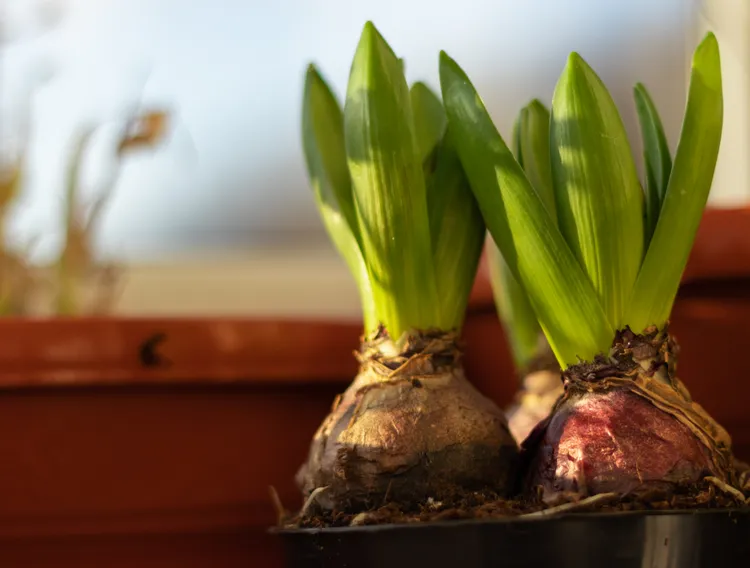
Spring is still a few months away, but that doesn’t mean you can’t bring color and life to your home early. One of the best ways to enjoy vibrant blooms before the season officially arrives is to start bulbs indoors. Bulbs like tulips, daffodils, hyacinths, and crocuses can be “forced” to flower inside your home, giving you a head start on the season. With a little planning and care, you can enjoy a colorful display while the garden outside is still waking up.
Here are eight bulbs you should start indoors now to enjoy bright, fragrant blooms in spring, along with practical tips for planting, care, and display.
1. Tulips (Tulipa spp.)
Why Tulips Work Indoors:
Tulips are among the most iconic spring flowers, known for their bold colors and elegant shapes. When started indoors, they can bloom weeks ahead of their outdoor counterparts.
How to Start:
- Chill your bulbs: Tulip bulbs require a cold period (35–48°F) for 12–16 weeks. Place them in a paper bag in the fridge away from fruits.
- Potting: After chilling, plant bulbs in well-draining soil, leaving the tips just above the soil.
- Care: Water lightly and keep in a cool, bright location. Once shoots appear, move the pots to a sunny window.
Tips:
- Use pots with drainage holes to prevent rot.
- Choose early-flowering varieties like ‘Apricot Beauty’ or ‘Apricot Impression’ for quicker blooms.
2. Daffodils (Narcissus spp.)
Why Daffodils Work Indoors:
Daffodils are cheerful, resilient, and easy to force indoors. Their bright yellow and white blooms bring instant spring cheer.
How to Start:
- Chill bulbs for 12–16 weeks in a cool, dry place.
- Plant bulbs in well-draining soil, spacing them snugly but not touching.
- Keep soil moist and pots in a bright, cool area until shoots appear.
Tips:
- Narcissus bulbs are toxic to pets, so keep them out of reach.
- Select miniature varieties like ‘Tête-à-Tête’ for indoor forcing.
3. Hyacinths (Hyacinthus orientalis)
Why Hyacinths Work Indoors:
Hyacinths are prized for their intense fragrance and dense clusters of bell-shaped flowers. They make perfect indoor displays in small pots or containers.
How to Start:
- Chill bulbs for 12–14 weeks.
- Plant in well-draining soil with the tips just above the surface.
- Place in a cool, dark spot until shoots appear, then move to a sunny location.
Tips:
- Ensure good air circulation to prevent mold.
- Remove faded flowers to encourage prolonged bloom in some varieties.
4. Crocuses (Crocus spp.)
Why Crocuses Work Indoors:
Crocuses are early bloomers with bright, cheerful colors, perfect for starting indoors in small pots or even shallow trays.
How to Start:
- Chill bulbs for 8–12 weeks in a cool, dry environment.
- Plant bulbs close together in shallow soil with tips just visible.
- Keep soil lightly moist and place in a cool, bright location.
Tips:
- Crocuses can naturalize in the garden after forcing indoors.
- Ideal for small container gardens or even decorative bowls.
5. Paperwhites (Narcissus papyraceus)
Why Paperwhites Work Indoors:
Paperwhites are easy to force and do not require chilling, making them perfect for instant indoor blooms. Their fragrance fills rooms with a sweet, fresh scent.
How to Start:
- Plant bulbs in shallow containers with well-draining soil or even gravel with water.
- Water lightly to cover roots but not the bulbs.
- Place in a sunny spot with temperatures around 60–65°F.
Tips:
- Support taller varieties with stakes to prevent flopping.
- Avoid fertilizing — they bloom best without additional nutrients.
6. Fritillaria (Fritillaria spp.)
Why Fritillaria Work Indoors:
Fritillaria, often called snake’s head fritillaries, produce unique, bell-shaped flowers with a checkered pattern. They add a dramatic and unusual touch to indoor collections.
How to Start:
- Chill bulbs for 10–12 weeks.
- Plant in well-draining soil in pots with good air circulation.
- Keep soil lightly moist and in a cool, bright area.
Tips:
- Pair with daffodils or tulips for contrasting textures.
- Handle bulbs carefully — some species have delicate roots.
7. Alliums (Allium spp.)
Why Alliums Work Indoors:
Alliums are ornamental onions that produce striking, globe-shaped blooms in shades of purple, pink, or white. They make bold indoor displays.
How to Start:
- Chill bulbs for 12–16 weeks.
- Plant in deep pots to accommodate long stems, with soil covering most of the bulb.
- Water sparingly until shoots appear, then move to a sunny window.
Tips:
- Choose smaller varieties like Allium ‘Purple Sensation’ for indoor pots.
- Group multiple bulbs in a single pot for a dense, dramatic display.
8. Anemones (Anemone coronaria)
Why Anemones Work Indoors:
Anemones offer vivid colors and delicate petals that bring a garden feel inside. They are excellent for small container arrangements or windowsill displays.
How to Start:
- Chill tubers for 8–12 weeks.
- Soak tubers overnight before planting in well-draining soil.
- Keep in a cool location until shoots appear, then move to bright light.
Tips:
- Space tubers 1–2 inches apart for a full bloom effect.
- Water regularly, but avoid waterlogging, which can rot tubers.
Indoor Forcing Tips for Success
- Choose the Right Containers:
- Use pots with drainage holes to prevent root rot.
- Shallow bowls can work for bulbs like crocuses or paperwhites.
- Soil Mix:
- Use well-draining soil mixed with sand or perlite to prevent soggy conditions.
- Chilling Requirements:
- Most spring bulbs need a cold period to simulate winter. Refrigerate in a paper bag for the specified number of weeks.
- Paperwhites are the exception — they bloom without chilling.
- Light and Temperature:
- Place bulbs in a bright location, ideally with morning sunlight.
- Keep temperatures cool (50–65°F) until buds form, then move to warmer light for flowering.
- Watering:
- Keep soil lightly moist but not waterlogged.
- Overwatering can cause bulbs to rot or develop fungal problems.
- Staking and Support:
- Taller bulbs, like paperwhites and tulips, may need support to prevent bending.
Benefits of Starting Bulbs Indoors
- Early Color: Enjoy vibrant blooms weeks ahead of outdoor gardens.
- Controlled Environment: Protect bulbs from frost, pests, and harsh weather.
- Flexible Display: Move pots indoors to brighten windowsills, tabletops, or entryways.
- Gifting: Potted bulbs make excellent spring gifts for friends and family.
Starting bulbs indoors also allows gardeners to extend the enjoyment of spring flowers, even if outdoor planting conditions aren’t ideal. You can create small indoor “spring gardens” with mixed varieties for continuous blooms.
Conclusion
Spring doesn’t have to wait for warmer weather to arrive. By starting bulbs indoors now, you can enjoy a spectacular display of color, fragrance, and life in your home long before your garden blooms outside. Tulips, daffodils, hyacinths, crocuses, paperwhites, fritillaria, alliums, and anemones are all excellent choices for indoor forcing.
With attention to chilling requirements, soil, light, and water, even novice gardeners can succeed. The result is a cheerful, natural, and vibrant indoor garden that will brighten winter months and welcome spring in style.
Start your bulbs today, and by early spring, your home will be filled with colorful, fragrant blooms — a reminder that with a little planning, you can bring the magic of spring indoors.