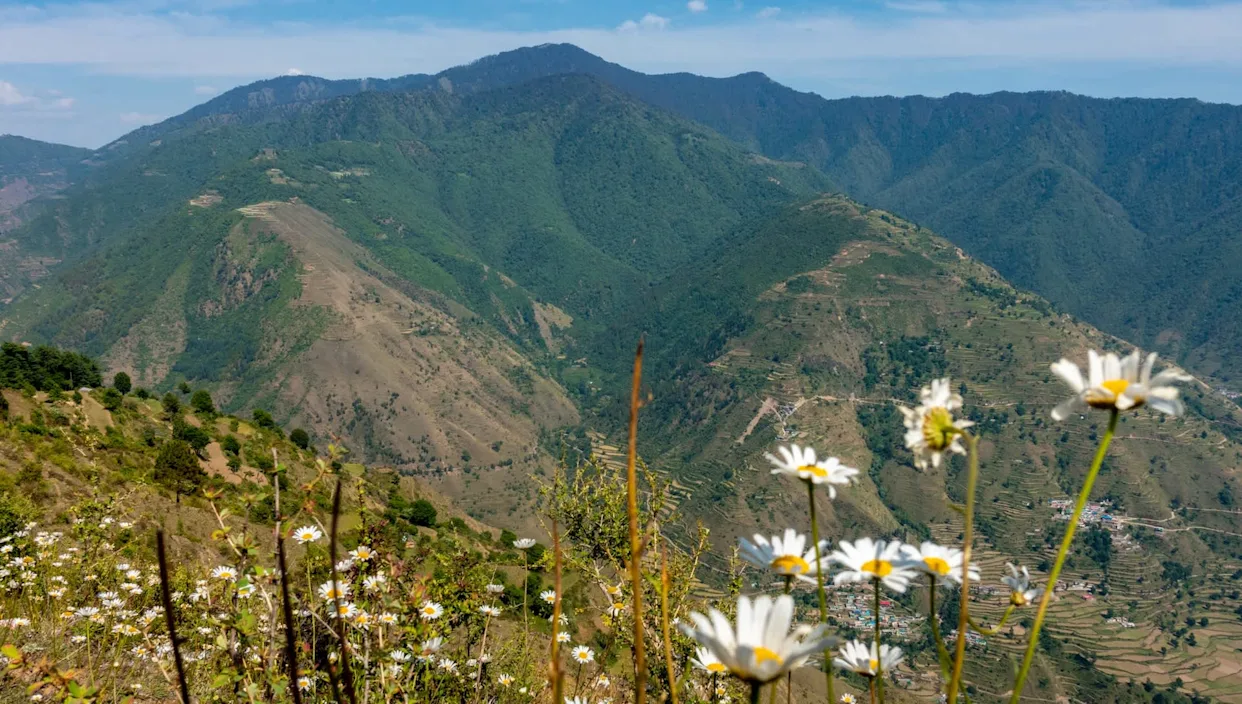
Forest officials in India are celebrating after trail cameras and field observations showed rich wildlife activity inside the Sukhna Wildlife Sanctuary — a sign of thriving biodiversity and a healthy forest ecosystem, authorities say.
Located on about 6,400 acres of protected land, Sukhna Wildlife Sanctuary has long been home to a wide variety of plant and animal species. In recent months, however, officials and conservationists have been thrilled by the remarkable images and data captured by motion‑activated trail cameras, which recorded sightings of leopards, sambar deer, jackals, and other notable fauna.
These sightings aren’t just exciting for visitors and nature lovers — they also provide scientific evidence that the sanctuary’s conservation efforts are working, officials say. Trail cameras are invaluable because they record wildlife in their natural habitat without disturbing the animals, giving researchers a clearer picture of population dynamics and movement patterns.
Conservation Success and Ecosystem Health
According to reports, recent trail camera captures are seen as a reflection of improved forest health and balanced ecosystems. Saurabh Kumar, Chief Wildlife Warden of Sukhna Wildlife Sanctuary, emphasized that the presence of apex predators like leopards alongside a variety of herbivores suggests that the food web is strong and the habitat is supporting diverse life forms. “Such presence is natural and reflects a healthy forest ecosystem,” he said.
Substantial conservation actions over previous years — such as reducing soil erosion around Sukhna Lake, boosting forest cover, and managing habitats — have helped create stable conditions for wildlife to flourish. These efforts have also yielded thriving populations of other species including butterflies, monkeys, porcupines, pangolins, and spotted deer.
Why Trail Cameras Matter
Trail cameras — motion‑activated, low‑impact devices placed across strategic locations — have become essential tools for wildlife monitoring in reserves around the world. They allow scientists and officials to:
- Track animal movement and behavior without human presence.
- Monitor population trends of elusive or nocturnal species.
- Document species that are difficult to observe directly in the wild.
In many cases, the data from trail cameras leads to new discoveries or insights about how wildlife uses its habitat. Similar camera trapping efforts have helped researchers in other parts of the world track rare and elusive animals, including jackals spotted for the first time in decades in some regions.
Supporting Safe and Responsible Eco‑Tourism
While celebrating the positive wildlife signs, officials are also focused on visitor safety and responsible eco‑tourism. To that end, they are developing Standard Operating Procedures (SOPs) in collaboration with scientific partners, such as the Wildlife Institute of India in Dehradun, to manage tourism, protect sensitive areas, and ensure that visitors can enjoy the sanctuary without harming the ecosystem or putting themselves at risk.
These measures include setting up “Dos and Don’ts” awareness boards, visitor guidelines, and warning signage at key entry points and trails — particularly in areas where large wildlife sightings are expected.
A Broader Trend in Wildlife Monitoring
The Sukhna Sanctuary’s use of trail cameras is part of a broader trend in wildlife conservation across India and globally. In other regions, camera traps have revealed encouraging signs of species recovery and ecological balance. For example, camera traps in the Indian Sundarbans Tiger Reserve have documented stable tiger populations and young cubs integrating into the ecosystem, suggesting that habitat conditions there remain favorable for one of the country’s most iconic big cats.
Similarly, widespread camera trapping surveys in the eastern Himalayas have captured rare sightings of wild cats, including snow leopards and the elusive Pallas’s cat at high altitudes — important data for understanding species distribution and conservation needs in those fragile environments.
The Importance of Ongoing Monitoring and Support
Experts caution that while the recent camera captures are cause for celebration, ongoing monitoring, habitat protection, and community involvement are crucial for long‑term wildlife conservation success. Maintaining and expanding camera networks, supporting research programs, and engaging local communities are all part of ensuring that forests remain vibrant and that wildlife populations continue to thrive.
In Sukhna and elsewhere, these technologies help bridge the gap between conservation efforts and scientific understanding — providing evidence that forests are not just surviving, but healthily supporting the complex rhythms of life they were meant to sustain.