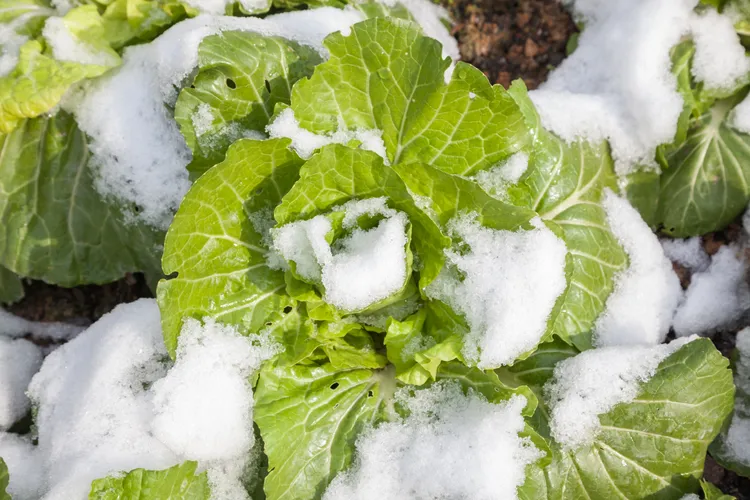
Gardening can feel seasonal, but one of the joys of seeds is their flexibility. Whether you’re a seasoned green thumb or a beginner looking to experiment, certain seeds can be started indoors for early growth or sown directly outdoors, depending on your climate and timing. Starting seeds now sets you up for a bountiful harvest, gives you a head start on the growing season, and allows you to enjoy the satisfaction of nurturing plants from the very beginning. Here are nine versatile seeds you can plant immediately, with tips on indoor germination, outdoor sowing, and care.
1. Lettuce (Lactuca sativa)
Why It Works Now:
Lettuce is a cool-weather crop that germinates quickly and thrives in early spring or fall. You can grow it indoors year-round for a steady supply of fresh greens.
Indoor Sowing:
- Use shallow trays with seed-starting mix.
- Keep soil moist but not waterlogged.
- Place in a sunny window or under grow lights for 12–14 hours daily.
Outdoor Sowing:
- Sow seeds directly in well-draining soil.
- Space seeds 1–2 inches apart and thin seedlings once they sprout.
- Protect young plants from late frosts with a cloche or row cover.
Tips:
- Lettuce prefers cooler temperatures (45–75°F).
- Harvest outer leaves first to encourage continuous growth.
2. Radishes (Raphanus sativus)
Why It Works Now:
Radishes are fast-growing and ideal for impatient gardeners. Many varieties mature in as little as three to four weeks.
Indoor Sowing:
- Start in small pots or seed trays.
- Thin seedlings to avoid overcrowding, which stunts growth.
Outdoor Sowing:
- Sow directly in loose, fertile soil.
- Keep soil consistently moist for even growth.
- Plant in successive rounds every two weeks for a continual harvest.
Tips:
- Radishes grow best in cool spring or fall conditions.
- Try colorful varieties like French Breakfast or Cherry Belle for visual interest.
3. Spinach (Spinacia oleracea)
Why It Works Now:
Spinach thrives in cool temperatures and is highly adaptable to indoor or outdoor sowing.
Indoor Sowing:
- Start in containers with rich, well-draining soil.
- Provide 6–8 hours of sunlight or use grow lights.
Outdoor Sowing:
- Sow seeds directly in garden beds ½ inch deep.
- Thin seedlings to 3–4 inches apart.
Tips:
- Keep soil moist; spinach germinates more quickly in cool, damp conditions.
- Harvest by cutting outer leaves, leaving the plant to continue producing.
4. Herbs: Basil (Ocimum basilicum)
Why It Works Now:
Basil and other herbs like parsley, cilantro, and chives are easy to grow indoors or in protected outdoor spaces.
Indoor Sowing:
- Use seed trays or small pots.
- Maintain warm soil (70–75°F) for quick germination.
- Provide ample light; basil loves sun.
Outdoor Sowing:
- Wait until the danger of frost has passed.
- Sow seeds in a sunny, well-draining spot.
Tips:
- Pinch off flowers to encourage leaf production.
- Basil thrives in warm, sunny conditions and should be watered moderately.
5. Carrots (Daucus carota subsp. sativus)
Why It Works Now:
Carrots are root vegetables that can be started indoors or directly sown outdoors for early harvests.
Indoor Sowing:
- Start in deep pots to accommodate roots.
- Use light soil mix to avoid deforming roots.
Outdoor Sowing:
- Sow seeds directly in loose, sandy soil.
- Thin seedlings to 2–3 inches apart to allow for proper root development.
Tips:
- Keep soil evenly moist; uneven watering can cause splitting.
- Varieties like Nantes or Chantenay work well for early sowing.
6. Peas (Pisum sativum)
Why It Works Now:
Peas prefer cooler weather and are ideal for early spring sowing outdoors, or indoor starts for transplanting.
Indoor Sowing:
- Start in peat pots to reduce root disturbance when transplanting.
- Provide a sunny window or grow lights for 12–14 hours.
Outdoor Sowing:
- Sow directly in fertile, well-draining soil 1 inch deep.
- Support climbing varieties with trellises or stakes.
Tips:
- Keep soil moist and mulch around seedlings to conserve water.
- Varieties like sugar snap peas or snow peas germinate quickly and produce delicious pods.
7. Kale (Brassica oleracea var. sabellica)
Why It Works Now:
Kale is cold-hardy, making it perfect for sowing before the last frost. You can start indoors or directly sow outdoors.
Indoor Sowing:
- Use seed trays with nutrient-rich soil.
- Keep seedlings under grow lights for 12 hours per day.
Outdoor Sowing:
- Sow seeds ½ inch deep and thin seedlings to 12 inches apart.
- Kale tolerates light frost and can continue growing into early winter.
Tips:
- Harvest leaves from the bottom up to prolong production.
- Baby kale leaves are tender and perfect for salads.
8. Nasturtiums (Tropaeolum majus)
Why It Works Now:
Nasturtiums are edible flowers that attract pollinators and can grow indoors or outdoors.
Indoor Sowing:
- Use pots with light soil mix.
- Keep in a bright, sunny location.
Outdoor Sowing:
- Sow directly after frost risk has passed.
- Space plants 10–12 inches apart to allow spreading.
Tips:
- The flowers are edible and add peppery flavor to salads.
- Leaves can be used for companion planting to deter pests.
9. Microgreens (Various Seeds)
Why It Works Now:
Microgreens are fast-growing and versatile, ideal for indoor cultivation regardless of season.
Indoor Sowing:
- Use shallow trays with seed-starting mix.
- Sprinkle seeds densely but evenly and cover lightly with soil.
- Keep trays in bright light and mist daily.
Outdoor Sowing:
- Microgreens can be grown outdoors in spring or in protected containers.
Tips:
- Harvest leaves 1–3 weeks after germination.
- Popular microgreens include radish, arugula, broccoli, and mustard.
General Tips for Indoor or Outdoor Sowing
- Check your zone and timing: Some seeds are frost-sensitive. Consult your local planting calendar.
- Use high-quality seed-starting mix indoors: Avoid heavy garden soil that may retain too much water.
- Maintain consistent moisture: Seeds need damp soil to germinate, but avoid waterlogging.
- Provide light: Most seedlings need 12–16 hours of light daily; use grow lights if natural sunlight is insufficient.
- Harden off seedlings: Gradually acclimate indoor-grown plants to outdoor conditions before transplanting.
Why Starting Seeds Now Matters
Starting seeds at the right time gives you several advantages:
- Extended harvest: Early indoor starts allow for longer growing seasons.
- Cost savings: Growing from seed is far cheaper than buying mature plants.
- Variety selection: You can choose from a wider range of varieties than what’s available in nurseries.
- Sustainability: Reduces packaging and transportation emissions associated with store-bought plants.
By sowing these nine versatile seeds, you can enjoy fresh, homegrown vegetables and herbs while learning new gardening techniques. Whether you’re tending a sunny windowsill, balcony container, or backyard garden, the right seeds started at the right time can bring months of growth, flavor, and satisfaction.
Final Thoughts
Gardening doesn’t have to wait for perfect weather. With the right seeds, a little planning, and some patience, you can start planting today—indoors or outdoors. Lettuce, radishes, spinach, basil, carrots, peas, kale, nasturtiums, and microgreens are all resilient, easy-to-grow options that thrive with minimal fuss.
Whether you’re seeking fresh salad greens, crunchy root vegetables, vibrant edible flowers, or nutrient-rich microgreens, these seeds can jumpstart your growing season and provide a continuous harvest. The key is understanding each seed’s preference for light, temperature, and spacing and giving them the care they need to thrive.
By taking action now, you’ll be well on your way to a flourishing garden—and you’ll enjoy the unique satisfaction of watching life sprout from seed to table.