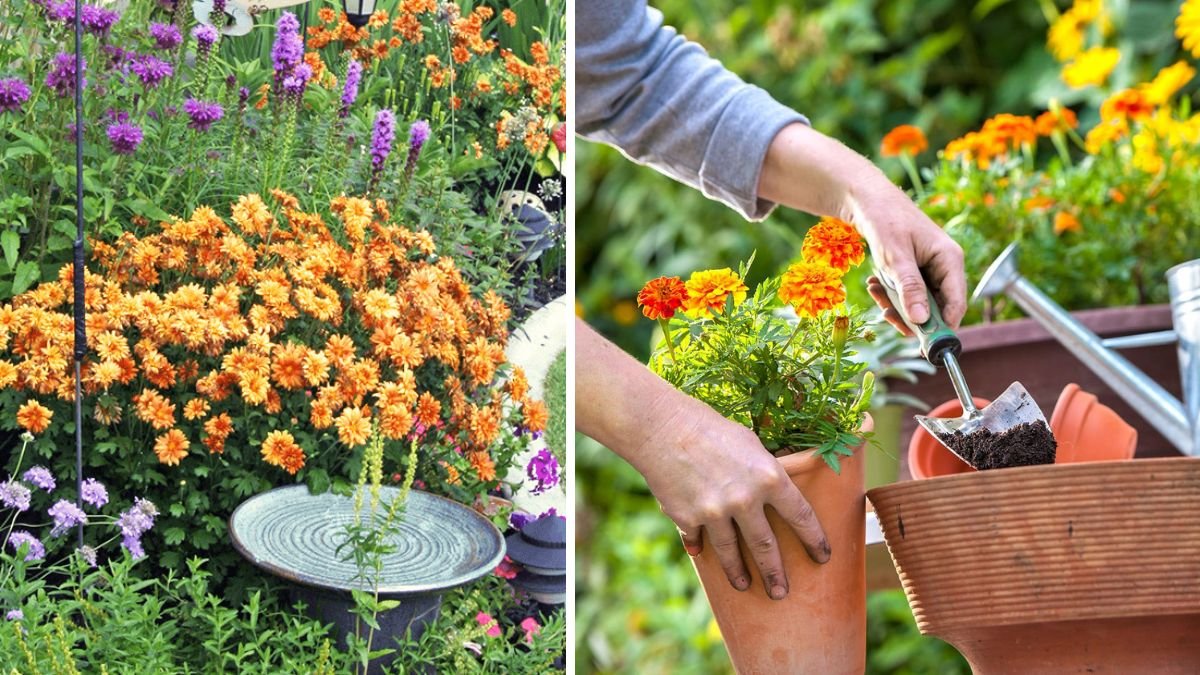
Every gardener dreams of larger, more vibrant flowers, but improving blooms doesn’t have to mean expensive fertilizers, exotic plants, or professional landscaping. With simple, budget-friendly techniques, you can achieve bigger, healthier, and more colorful flowers in any garden or container.
This guide provides practical strategies to grow bigger and better blooms while keeping costs low.
1. Start With Healthy Soil
- Soil is the foundation for strong, vibrant flowers
- Add organic matter like compost, aged manure, or shredded leaves
- Mix sand or perlite into heavy clay soil to improve drainage
- Healthy soil promotes strong roots, bigger flowers, and better nutrient uptake
Tip: Compost can often be sourced for free from local municipal programs or neighbors.
2. Choose Budget-Friendly Fertilizers
- Homemade options: Coffee grounds, banana peels, and egg shells provide potassium, calcium, and nitrogen
- Balanced fertilizers: Look for general-purpose 10-10-10 fertilizers for rapid bloom growth
- Liquid fertilizer: Diluted, inexpensive fertilizer encourages continuous flowering
Tip: Avoid over-fertilizing—too much nitrogen produces lush leaves at the expense of flowers.
3. Deadheading and Pruning
- Remove spent blooms regularly
- Pruning encourages new flower production
- Improves air circulation and reduces fungal problems
Deadheading is free but highly effective—your plants reward consistent attention with bigger blooms.
4. Mulching for Moisture and Nutrients
- Use straw, shredded leaves, or grass clippings
- Retains soil moisture and regulates temperature
- Breaks down to add nutrients over time
- Reduces weeds, saving time and money
Mulching is a low-cost way to improve both bloom size and plant health.
5. Companion Planting for Natural Boost
- Plant flowers with complementary companions
- Certain herbs or plants repel pests, reducing the need for pesticides
- Legumes (beans, peas) fix nitrogen, improving soil fertility
- Use flowering plants that attract pollinators for better fruit and flower set
Example: Marigolds around roses deter pests while adding color.
6. Watering Smartly
- Deep, infrequent watering encourages strong root systems
- Shallow watering produces weak roots and smaller blooms
- Use rainwater or collected water to save costs
Tip: Early morning watering reduces evaporation and fungal risk.
7. Sunlight Optimization
- Most flowering plants need at least 6–8 hours of sun
- Rotate pots and plant placement for even light exposure
- Use reflective surfaces or light-colored walls to maximize sunlight
Sunlight is free but crucial—neglect it, and even fertilized plants produce small, weak blooms.
8. Start From Seeds or Cuttings
- Growing plants from seed or cuttings is far cheaper than buying mature blooms
- Seeds of annuals like zinnias, cosmos, or marigolds cost just a few dollars
- Perennials can be propagated from cuttings or divisions to expand your garden for free
With patience, home-propagated plants produce blooms as stunning as purchased ones.
9. Protect Plants from Stress and Pests
- Mulch, companion planting, and proper spacing reduce stress
- Sacrifice plants can attract pests away from main blooms
- Healthy, unstressed plants produce bigger, more vibrant flowers naturally
10. Reuse and Repurpose Containers
- Old buckets, jars, or crates can be repurposed as planters
- Drill drainage holes and fill with inexpensive soil
- Arrange creatively to maximize visual impact without extra cost
Repurposing items saves money and adds charm to your garden.
Final Thoughts
Bigger, better blooms don’t have to come with a hefty price tag. By focusing on healthy soil, proper watering, sunlight, and smart pruning, gardeners can produce vibrant, lush flowers on a budget. Simple additions like mulch, homemade fertilizers, and propagated plants amplify bloom size while keeping costs low.
With these strategies, your garden can become a colorful, thriving oasis without straining your wallet—proving that smart, consistent care is often more powerful than expensive solutions.